100 Best Breweries Bonus Content: Interview with Camden Town Brewery’s Alex Troncoso


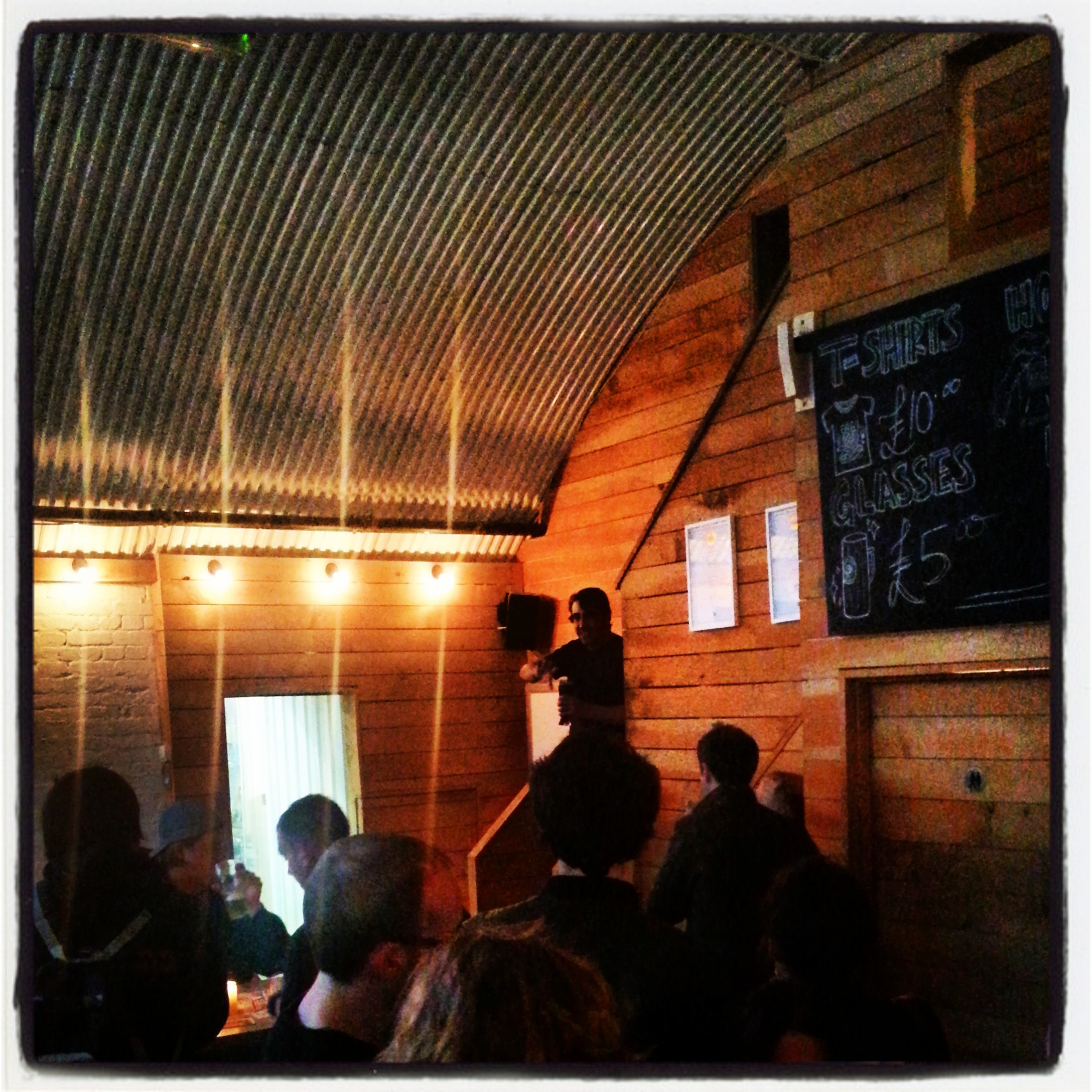
Alex Troncoso at the Camden Town Brewery Bar


Our new issue of Craft Beer –  ‘The 100 Best Breweries in The World’ was such a huge piece of work that not everything fitted into the pages of the finished magazine. A few bits and pieces of interesting stuff were regrettably cut for space, so in the interest of completeness, and to give you a taster of the content in the magazine, I’ll be posting some ‘bonus content’ here for the good men and women who read this blog.

First up is an interview with Camden Town Brewery’s Head Brewer and all-round top bloke, Alex Troncoso:


Alex Troncoso joined Camden Town Brewery at the start of 2013, having previously worked at Little Creatures in Australia, where he was Chief Brewer and Head of Brewing Development.


What does brewing mean to you?

There’s a quote from a homebrewing book that I really like: “Art meets Science and has a beer”. I like that it’s highly technical but also creative. It’s greater than the sum of its parts, you know? You can calculate colour, you can calculate bitterness, analyse those and think that’s probably about right. Roughly estimate what you attenuation is going to be, your level of alcohol, but you can’t calculate flavour or exactly what it’s going to be. I like the fact it’s technical, there’s a lot of history, and it still involves artistry in some ways.


Who inspires you as a brewer?

What I like to say is that companies that are grounded, who have a strong commitment to what they’re doing, big ones like Sierra Nevada who are still a fantastic brewery, we can all aspire to be like them. The kind of guys who have been in a brewing company, and made it to a certain level of capacity, they run everything like a military operation, they can control quality, efficiency all that sort of thing. Using all the technology in the world, not to make things cheaply but to make things better.

So that’s what I like about what we do here. It’s very hands-on and we’re very small here. What we’re doing is using a lot of technology to take out some of the less important work so we can focus on the more important work.

IMG_20130309_172105

How would you describe Camden’s beers to someone who has never had them before?

In my previous life, I worked for another brewery called Little Creatures. Their Pale Ale was at the time, like crazy bitter, but now it’s like normal bitterness – 42 IBUs or something – but at the time I started it was insane.

Regardless of the bitterness level, we always strived to have a certain balance to everything we made, and that’s what I’m trying to do at Camden. Anything we make, even if it’s a bit bigger, like Camden Versus Odell, or the Camden Versus Italy Märzen, even with things like that we try to keep the balance.

At Little Creatures I was used to making bottle-conditioned pale ale, lots of it, so that was a lot of fun but it was also quite complicated. The process of something like Camden Hells is simpler, but in a lot of ways it’s more difficult to make, because there’s nowhere to hide any mistakes! With Hells, it’s very easy for it to be too bitter, or too sweet, and every single beer has its own sweet spot to it.

It’s just a matter of dialling it in and figuring out where it is, but also remembering that the sweet spot might change from year to year. At times, say like this year, Pale at the moment is about 42 IBU, next year we could push it to 45, or maybe it has to be 38, and that can be dictated by the hop crop that year [and what we have to work with].

So anyway, balance. You got to remember, you’re not going to appeal to everyone, but I just want to put something on the bar that looks great, smells great and tastes great.

IMG_20130517_152647

Which of your beers do you feel is your greatest achievement?

From our one-off beers, I think Camden Versus Odell. It’s bloody brilliant! It was all pretty casual, we spoke to Doug Odell, we’d talked about what we should do, we originally wanted to do a lager, but we had kind of already done a highly hopped lager, with SKA Brewing. They suggested using Cutthroat Porter as the base for a beer, I went back and said ok, but let’s do it as a Baltic Porter, make it a bit stronger. Scaled everything up but used in the same proportions. That was really fun.


And the most difficult?

The one that had me on the edge of my seat was Camden Versus Italy: the Märzen (a German lager beer style traditionally brewed in March and matured over the summer). When we brewed it, it looked great, colour was bang on, bitterness level was bang on. But when I started tasting at the start of the maturation period, it wasn’t right. It tasted bitter as hell, looked like swamp water and I thought “Oh my God!”

We brewed the beer with three different Italian brewers, so they’d each be asking me “How’s the beer coming along?” and I’m thinking “Oh shit.” It got to the point where I thought we would have to dump it. I was really, really nervous. I kept saying to myself “Don’t panic! Give it time,” like every day, checking it. And over time, the flavours gradually came together, getting slightly better every day, until after the three weeks of maturation after fermentation, it just kind zoned in to where it needed to be. Then it ended up tasting fantastic!

I spoke to this German brewer about it, explaining how I was really panicking about it, and he just  said “ah, the Marzen takes time,” and I was like “ah, okay.” But it was great for everyone on the team to see how a beer can change and get better, and it reinforced that, with the lager beers especially, we need to give them time.


IMG_20140411_194213

Since the brewery bar opened, Camden has always had a really strong connection to local street food vendors. Do you have a favourite beer and food match?

Yeah, man: Motherflipper burgers! They’re here tonight and I’ll definitely be having one of those later. I’ll probably slam one of those with a pint of Unfiltered Hells.


Are there any special beers planned for 2014?

We have lots of ideas, so we worry more about how we’re going to be able to do them all! To try and get anything special fitted in, we need to plan quite far ahead, at least 3 months in advance because the tank schedule is just so full. We have about 5 ‘Versus’ collaboration beers in the schedule now and a few other little things, too.


You can read more interviews with the world’s top brewers in ‘Craft Beer: 100 Best Breweries in The World’, now available in newsagents and online.

Craft Beer: 100 Best Breweries in The World


Available in WHSmith, supermarkets and newsagents.

A new guide to the best breweries in the world and the stories behind them and their beers.

This week you should be able to get your hands on the second issue of Future’s ‘Craft Beer’ bookazine series: the 100 Best Breweries in The World. Like the last issue, Craig Heap and myself were asked to create and write it, this time with the additional help of a Few Good Men (Matthew Curtis, Ruari O’Toole and Leigh Linley). Copies should be hitting the shelves of WHSmith, larger supermarkets with magazine sections and decent newsagents right now. You can expect:


– In-depth features on 100 breweries from the UK, US, Belgium, Germany, the Czech Republic, Italy, Ireland, Scandinavia, Australasia and more!

– Tasting notes for beers from each of the breweries

– Interviews with head brewers and the stories behind their beers

– Guides to the best pubs, bars, beer festivals and beer culture in the UK, US, Belgium, Germany and the Czech Republic

– Features on the brewing process and brewing equipment, brewing history, abandoned breweries, and some general beer appreciation and consumer-focused helpful info.


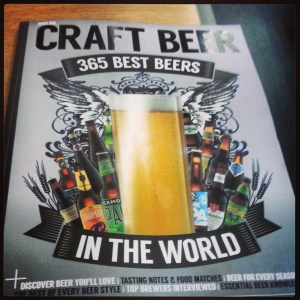
If the first issue of ‘Craft Beer’the 365 Best Beers in the World – was a mixtape of the best of the modern beer scene, this second issue is something slightly more thoughtful and complex. Perhaps a ‘background to cooking breakfast’ Radio 4 program about a particular genre of music, exploring the inspirations, variety and depth of the scene.

When Craig and I were asked to write a follow-up to the 365 Best Beers in the World, covering the world’s best breweries seemed like a good next step. The content was always going to be far more than just a list, and as we fed more and more ideas into the outline, it became quite clear we would need some reinforcements.

Leigh Linley, Matthew Curtis and Ruari O’Toole are great writers and good friends of ours. Craig and I were both certain that they had the determination and boundless enthusiasm to get the job done. By dividing our labours, we could each add our own expertise and passions to different areas of the project. Splitting the UK breweries between the five of us, Craig, Matt, Ruari and myself each took on one of the other major brewing countries (I chose Belgium, Craig takes on the Czech Republic, Ruari covers Germany and Matt covers the US) and a couple of features each.

Another key decision early on was to try to get as many in-depth interviews with brewers as we could. Our interviews show that, like the breweries themselves and the beers they make, brewers simply do not fall into one particular category or type of person. At the European Beer Bloggers Conference last year, Garret Oliver said in his keynote speech that ‘Beer is People’, and I think this is a good introductory idea to what the new magazine is all about. At the heart of this amazing industry are some amazing people, and this magazine tells the story of some of the best of them.

I hope people enjoy the new issue as much as the last one. I can’t wait to read it myself. I worked with some fantastic writers on this magazine and I’m really looking forward to reading their work. Cheers!

‘ Craft Beer: 100 Best Breweries in the World’ is available to order online, and should be on the shelves of a WHSmith, supermarket or newsagents near you. I’ll add a link to this post for the iTunes version shortly (and subscribers to the last magazine through iTunes may already have early access).

The Week in Beer #0

IMG_20140306_210326

Sometimes, it’s hard to generate a whole blog post from the various flotsam and jetsam of beer things that happen. It’s not always enough – not so much a writer’s block as a blogger’s clog – a little cluster of thoughts that lack the electric impulse to become Something To Say. Still, I think that beer is always worthy of note, even if, or especially if, it’s mediocre. This is me having a stab at capturing the stray craft particles, the free radicals of my week, wrapping a big net around them putting a flag in the whole hoppy mess. Here are some beers I’ve had this week and what, if anything, they made me think.

Monday: Dry as a bone, but there was much to be said on Twitter about anger and reactions and beer styles and so on. Another Monday.

Tuesday: I was conveyed unto the Brewed Dog on the Shepherd’s Bush to meet and rejoice with the craft wanker brethren (and sistren). A tasty insult to history was enjoyed in the form of Gloucester Black Simcoe. Also of note: a Rye Bread Sour from Levain Franken that had a quaffable creamy note that made it one of those expensive beers you would drink by the pint with a winning lottery ticket. Also, my curiosity got the better of me, and I tried Hobo Pop, which proves we can now make American Stale Ale as good as them Americans and that. Hobo Plop, more like.

I then proceeded to drink an Amount of Beers Inappopriate for a Tuesday, but stuck to halves and two-thirds and so survived largely unscathed.

IMG_20140305_232853 (1)

Wednesday: Sixpoint’s cans of Wetherjoy arrived late due to inclement posting attempts. Others posted about them quicker than I, so I didn’t bother to add to the noise. My thoughts on the beers:

The Crisp – slightly too boozy, but largely by the book pils. weird pithiness throughout that gives a sense of Premiumness, but at what cost?

Sweet Action – a fresh, foxy delight of peach, mango and melon. Delightful and juicy. Likely to be cloying in larger amounts, but that exact portion felt heavenly.

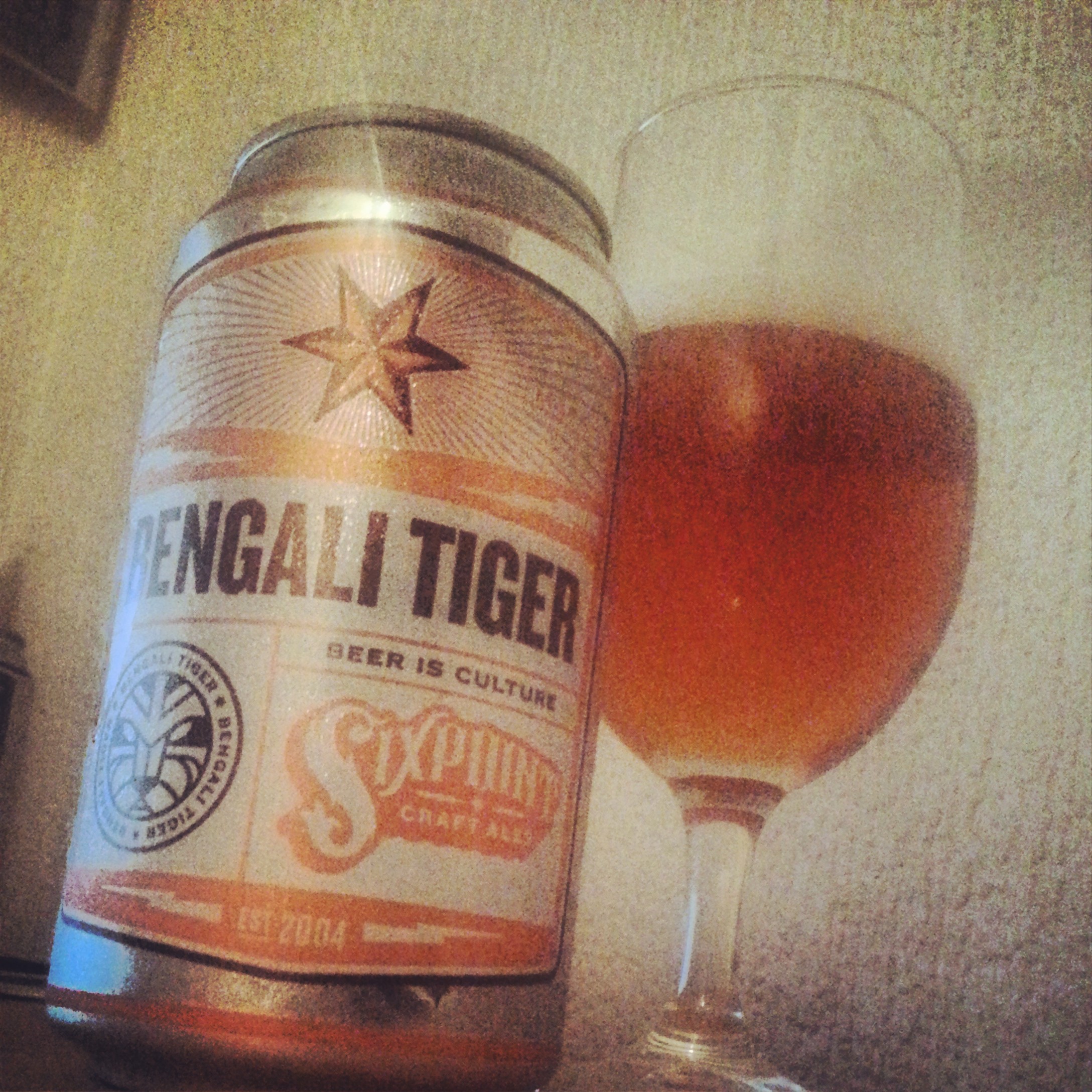
Bengali Tiger – an orange pith heavy, grapefruit tart assault on my main face. Refreshingly uncrystally, robust yet accessible.

What does it all mean? Don’t know. Too tired of predicting the future. More interested in the choice of range: for example, why a lager, wheat/pale/cream pale and IPA? Imported European-style US lager in perfect condition to prove a point? Maybe. More likely to be the entry point to all this craft bollocks for your mate who’s with you when you order the pair for £5/6 deal. Hook him in, get him on the Sweet Action, job’s a good’un.

Thursday: BeerBods this week was Moncada Notting Hill Red, an accomplished, American-hopped red ale at 6%. Having had a couple of the brewery’s beers before (Ruby Rye on cask and Blonde in bottle), I was expecting good things, and the Red did not disappoint. Full in jammy and piney aroma, rounded in its nutty sweetness and caramel-soaked orangey, limey hop character, there was a lot to enjoy in this beer. I’ll pursue their other beers with interest.

(Given the thirst for something similar, I opened a bottle of Hardknott Infra Red, only to find it had gone a bit ‘craft’, with a lactic character reminiscent of Rodenbach and much of the hop character and toffee sweetness gone. Not wholly unpleasant, but not the beer on the label. So why did I keep drinking it? It had gone off – I should have immediately poured it away. Truth is, I actually liked what had gone wrong. Truly.)

IMG_20140307_185233

Friday: The Gun in the docklands near Canary Wharf celebrated National Pie Week (no, not every week apparently) by offering a Pie and Beer Flight, which was about as close as it gets to my ideal use of a 6 x 12 inch piece of slate. Three mini-pies, each paired to a third of beer. Cockel and smoked fish pie matched to a third of Anspach and Hobday’s The Smoked Brown (a sweet, crispy and smokey boost to the pie); a venison and apple pie matched to Partizan Black IPA (total, lavish decadence); and a figgy fruit turnover-pie with Brew By Numbers Saison Wai-Iti and Lemon (a curiously warming and spicy combination). For £14, it’s achievable and enjoyable proof of thoughtful beer and food matching without being inaccessible or too geeky. Hopefully more to come from this increasingly impressive pub.

On a side note, it was here that I first saw Brewmeister in the wild: their Supersonic IPA was on cask. As I can no longer get away with chiding them without actually tasting their beer, I dutifully ordered a half. Would it be passable? Would it be great? Would it have travelled well, and would a clone of Punk IPA on cask actually be a bad thing? I never found out. Some bastards had drank it all. Ominous. I went for Siren Soundwave instead, of which there was plenty.

That’s all for now. Saturday and Sunday will be spent in York and Leeds, hopefully warranting a gushing blogpost in due course.

Hipsters

Embracing tradition - or killing it?
A skull dimpled beer mug in Drink Shop Do near Kings Cross. A stylish, trendy appropriation of a traditional object. Does it offend you, yeah?

This is my belated piece for the #beerylongreads March 1 edition encouraged by @BoakandBailey.

The C word – craft, to be clear – is seen as one of the most divisive in the modern beer scene. The reasons for the arguments, and the arguments themselves, are complex and often tedious. It’s now easier to find things we disagree about, than issues we actually agree on. I’m convinced that much of this has to do with language, and the way that it, like a living thing, evolves without us noticing. Terms that were useful shorthand for a broad idea become labels, even terms of derision. When they do, it can become a source of alienation that prohibits understanding and acceptance.

In that sense, hipster is far more controversial than craftHipster has gone from being applied to a kind of trend-setting, trailblazing, early-adopting, fashion-creating subculture, to a far more mainstream, trend-following herd. It has become useful as a broad label for individuals and groups alike, people on the edge of cultural behaviour that, for better or worse, puts them amongst the craft beer scene.

For a long time, I’ve used the word affectionately, referring to hipsters in the same way I might say ‘Oh Morrissey, you silly Quorn sausage.’ I see people doing things that seem naive or gullible, fashion-following or amusingly trendy, and I think, somewhat patronisingly, oh, hipsters, shaking my head in fatherly amusement/disapproval. In the past year or so though, I have become increasingly aware and sensitive to the use of the word hipster in a decidedly non-affectionate way.

‘Fucking Hipsters driving up the price.’

‘It’s just for hipsters, more money than sense.’

‘Typical bloody hipsters, do whatever they’re told.’

I’m not going to give you a history of hipsters, but let’s all take it as read that they haven’t just appeared out of nowhere, and that trend-setters and early-adopters or whatever have probably existed since an early example of proto-human first added a dashing set of beads to his hairy brow. Yet, we talk about hipsters now like some kind of active, malevolent force. Tortoiseshell-rimmed-bespectacled Hell’s Angels roving through our cities, installing street food vans, vintage markets and Hopinators in their wake. A recent article about the ‘Shoreditchification’ of urban areas bordered on Daily-Mail-like scaremongering about a place near you suddenly getting gentrified (how ghastly). Who are these hipsters? What do they want? Have they come to destroy our way of life?

Nowadays, I rarely hear hipster used in any other way than derogatively. It’s a form of casual discrimination that is being increasingly used by people about those who are either just younger than them or dress differently to them. This use of the word hipster has potential to damage the British beer scene in the long term.

But they’re so phony, and annoying, and pack out places I like, and I liked that thing first, and they drive up the prices of things.

If hipsters pay more for something, at least they’re doing so because they believe (regardless of whether they understand) that the thing they are paying for is good. It’s the people making the product and selling the product who set the price. The taxman has a say, but so far the Treasury hasn’t introduced a tax on being a hipster (stop giving them ideas, Chris).

We all know what hipsters look like though, right? They’re youngish people, making a fuss about a format of something on the verge of obsolescence, claiming they appreciate it more than the mainstream, who don’t understand. They’re such total, obsessive wankers about it, they usually apply a special term, or want a special ‘definition’ for the thing they like, so that everybody will know what it is, and it can’t be mistaken for anything else. I’m of course talking about proper, authentic, dyed-in-the-wool craft wankers. The kind of wankers that, one day, decide that they should form a campaign to revitalise ale.

Classic craft wankers, right? So, by that reasoning, CAMRA was founded by hipsters, yeah?

“No, no, no, I like ‘real ale’. You probably haven’t heard of it, you probably like Watney’s.”

You might think that comparing the newer breed of craft wanker with the old breed of real ale wanker is a tired comparison. I say that it isn’t, because we clearly don’t realise just how relevant it is. As an example, take a look at the recent findings of Boak and Bailey on hipsters driving up prices:

No, no, no. We all know that hipsters were invented in Shoreditch in the noughties. Nobody ever did something just because they thought it was cool before then. No way.

We’ve lazily fallen into the trap of judging and basically discriminating against people whom we know little to nothing about. It’s unfair, misguided and ignorant. Hypocritically, old-fashioned real ale types and CAMRA members bandying about the term ‘hipster’ as an insult are likely to be the first to argue that CAMRA isn’t just an organisation full of beardy old blokes, and how dare people assume that?

But how will this damage the beer scene in the long-term? If we want the current boom in beer and brewing to continue, we’re going to need a whole lot of people being interested in beer, drinking it, and returning to the pub to drink it, all the time. Yet, whilst we want more people to understand and appreciate craft beer in all its forms,  we sneer and look down on these people buying it and pretending to like it. For heavens’ sake, at least they’re trying it. Isn’t that half the battle won?

You won’t see any of them bloody hipsters in my pub trying the real ales, though. They’re all in them bloody BrewDog bars, forking out a fiver a pint for that murky rubbish.

Have you ever wondered why that is? It’s because in a BrewDog bar, these people – perhaps taking their first steps in the sometimes strange and mystifying world of good beer – feel welcome, are welcomed, and invited to try things, talk about what they like, and find the beer that suits them. How dare BrewDog provide such an environment. What are they trying to achieve – get more people drinking good beer? Well, they are. Their rapidly growing business proves this, whether you like them or not.

BrewDog can take a selection this large, and make it accessible and understandable to anyone.

Imagine these same people, feeling slightly more confident in their understanding, going to a pub that advertises a wide selection of real ales, and feeling looked down on by the clientele there. Imagine these people thinking, sometimes these good beer places are nice, but sometimes they really aren’t. Wandering into one suddenly seems like a risk – will I wander into a friendly one, or an unwelcoming one?

I appreciate and understand that this goes far beyond the use of the word hipster, but make no mistake: the use of words like this as terms of derision is a sure-fire way of alienating the people whose respect, passion and interest we should be embracing. We worry that trend-followers are going to come into ‘our place’ where we enjoy ‘our thing’ and somehow ruin it. Unless we engage, convert and embrace these people, we will find that we have ruined the scene we love so dearly, by failing to introduce enough people to it to help sustain it.

It’s our duty as drinkers of good beer not just to ‘tolerate’ these people that seem odd and strange and silly to us, but to welcome them. After all, they can’t be any weirder than the rest of us.

The Road to Craft

(‘#240/365’, by Kirsty Andrews, from Flickr, under Creative Commons)

Like it or not, the C word is being adopted by larger brewers – sometimes tentatively and with caution (“oh, did we say craft-brewed? We didn’t realise, we’re just so laid back and chillaxed over here at Fusty McOldtimey Ales”), other times enthusiastically, or sometimes misguidedly.

The larger of the UK’s regional brewers seem more comfortable with its use, at least as a marketing term. It’s often used to denote a separate range of beers brewed with more thought to experimentation and flavour. The success and credibility of these ranges are undoubtedly linked.

Batemans, that windmilled, cask ale stalwart, might seem a little late to this party, but clearly a lot of thought has gone into what is a very stark rebranding for this traditional brewer. As far as they’re concerned, they are a craft brewer, have been and always will be, it’s just time that everyone was made fully aware of the fact. To prove it, they are launching range after range of new beers, with one seasonal range inspired by biscuits. Not single variety hops or spirit barrels. Biscuits. Is this a down-to-earth, craft ‘reboot’ of a traditional brewer, or just something rather odd?

Batemans

The launch of the rebranding was recently held at the Folly in the City of London, where I got to say hello to the leading family members of Batemans, Jaclyn and Stuart, as well as other folk from the brewery and some familiar faces from the beer writing community.

There were some interesting messages to be taken from the launch, and it took some pondering to really understand it all. On the one hand, we have a CAMRA poster-brewery, one that has survived threats to its ownership, had ups and downs – and survived by doing things broadly the same way – suddenly grasping the appellation of ‘craft’ with both hands. There was even mention of their beers going into key kegs to help get it outside of its normal distribution zone. This all suggests, at least to some extent, a forward-thinking attitude.

There seem to be some missteps, though. Whilst the Sovereign Range of Bohemian Brews are niche, sweet-flavoured beers in 330ml packaging that’s smart and modern whilst carefully conveying traditional roots, the rebranding of the core beer range is less aesthetically pleasing. A three-colour stripe theme, with a logo of a artfully drawn windmill, seems more ‘health food’ than ‘craft beer’. The red and white stripes on one label remind me of toothpaste. Yet, it isn’t wholly unlikeable, and it should be noted that the beer itself hasn’t changed. The little tags assuring drinkers of each beer’s extended maturation time are eye-catching, and get the message of ‘specialness’ across.

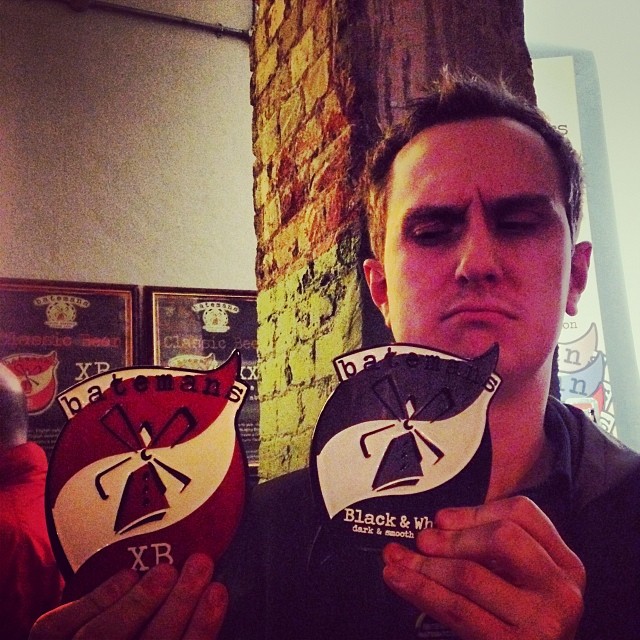
Looking slightly more critical than I intended. (photo courtesy of Matt Curtis)

There was also a bit of a confusing doublethink on the idea of ‘craft’, claiming defiantly that they are as craft as it gets, and wanting us all to know that, whilst also seeming to shrug off the idea of claiming to be craft for craft’s sake. We are craft, but talking about what craft beer is is a waste of time. In Stuart Bateman’s view, ‘you don’t need to have a ponytail and bandana to be a craft brewer’. Damn those craft brewers with their ponytails and bandanas and Pacman video games. You’d think an easier jibe would be beards/tattoos.

Some might see Stuart’s ‘joke’ about craft brewers as a misunderstanding of the craft beer scene, but I see it more as a kind of cheerful innocence. Batemans operate in a vacuum to some extent, free of any of these upstart ‘craft’ types. Their beers are more likely to sit alongside Doom Bar, Greene King and the more traditional Yorkshire micros. What is refreshing is that they do not seem to associate ‘craft’ or ‘innovation’ exclusively with a sudden fascination with hops. For good or ill, they have concentrated on brewing beers that are defined by sweetness, in all its shades. That might sound limiting, but they’re brewing beers that other people aren’t, and as a result come across as more genuine than, say, Greene King’s craft range. More importantly, the beers that are called ‘Hazelnut Brownie’ and ‘Mocha Amaretto’ and ‘Chocolate Biscuit’ taste exactly as the label describes them. Most beers passing themselves off as chocolate stouts these days can’t even do that.

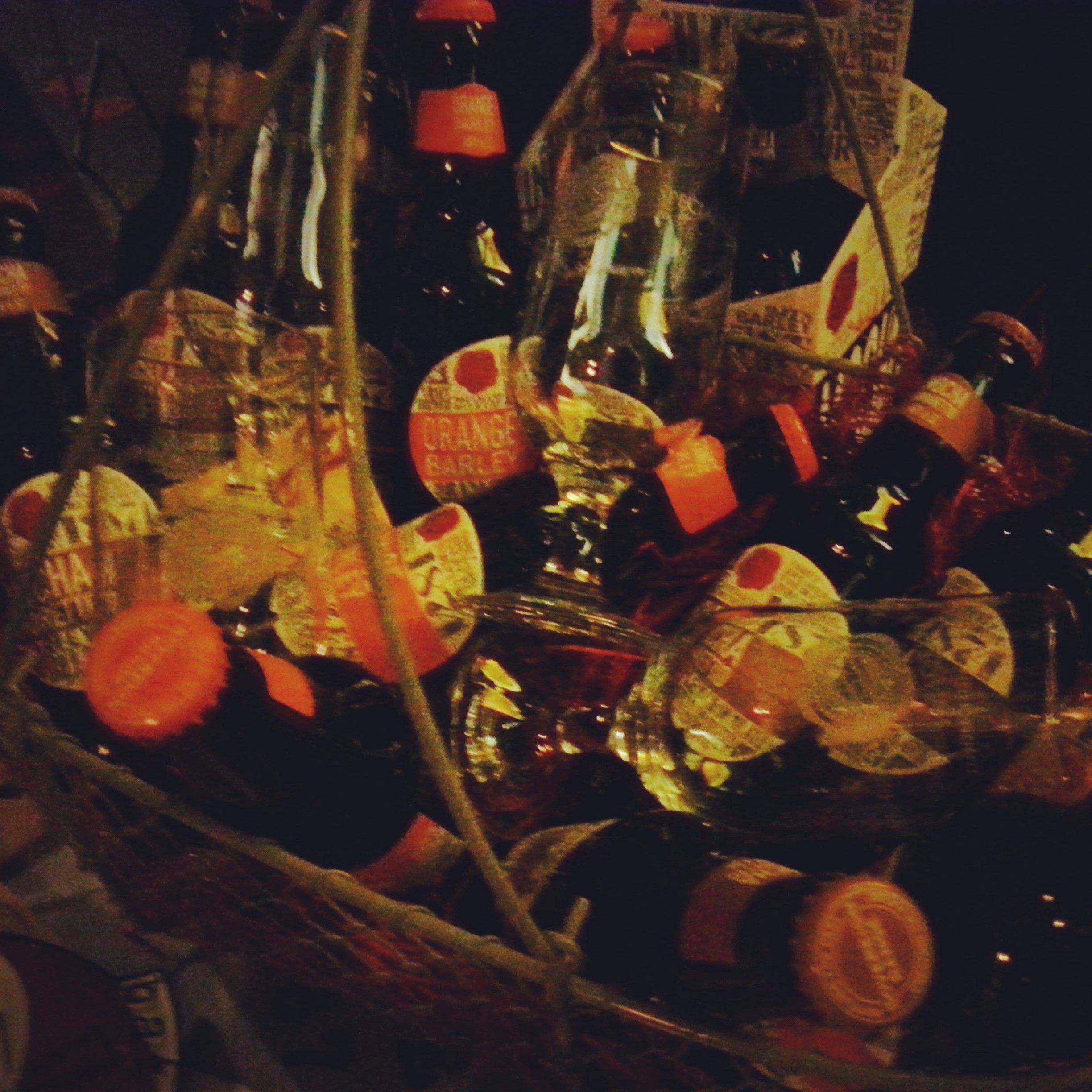
A Basket of Bateman's Bohemian Brews
A Basket of Bateman’s Bohemian Brews

My chief concern is that Batemans have too many ranges. A core range, a Bohemian Brews range, a Biscuit Barrel seasonal range, plus a new Salem Bridge range to boot. If they have the capacity and ideas to keep all of those balls in the air, I will be very impressed. I would be more impressed if they stuck to one solid ‘craft’ range alongside their traditional output, poured all of that creativity into it, and got those beers in the best pubs and bars in the country. As I mentioned earlier, when brewers like these do a separate ‘craft’ range, credibility and success go together. Whilst the rebranding is motivated by good intentions, Batemans could be gambling the credibility they already have for credibility they cannot easily obtain. Hopefully, they will broaden their appeal, and not accidentally narrow it.

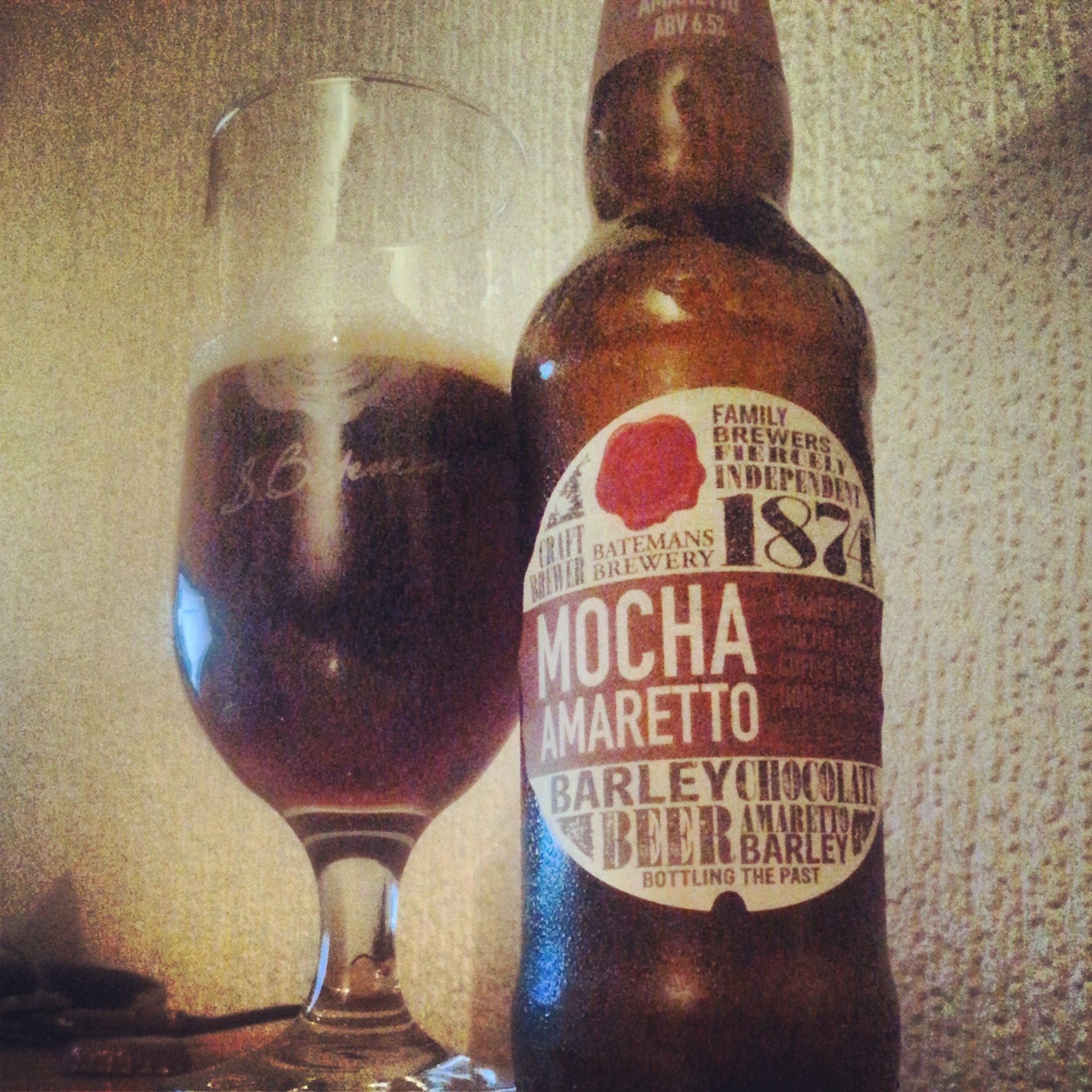
Batemans sent attendees to the launch home with a goody bag of glassware, Lincolnshire cheese and plumbread, a stick of rock, some other odds and ends, and a beer or two. One was a 140th anniversary beer, and I selected the Mocha Amaretto below to review as an example of the Sovereign Range of Bohemian Brews.

Batemans Mocha Amaretto - 6.5% abv
Batemans Mocha Amaretto – 6.5% abv

Beer Review: Mocha Amaretto – Batemans – 6.5% abv

A dark, mahogany-coloured ale. Pours with a lively head that calms down quickly to a thin collar. Displaying a slight and mischievous ruby glow when held to the light, Mocha Amaretto could, fittingly, pass for coffee at a glance.

The name of this beer is spelled out in capitals on the label, and its aroma is similarly emphatic: marzipan and toffee, intensified by boozy notes of chocolate liqueur. A creamy coffee character tries to make itself known, but the amaretto is the dominant aspect.

On the palate the beer moves quickly, hitting the key targets on the sweet section of your palate with chocolate and marzipan, delivering a slick, nutty, chewable texture across the tongue, before sliding off on a wave of caramel. The coffee is present as a roasted bitterness in the finish, but it’s indulgently sweet overall. A touch more roast would balance it out, but then this beer isn’t really about ‘balance’.

It’s a good example of the whole range. This isn’t just ‘a beer that tastes a bit like mocha and amaretto’, this is a Mocha Amaretto beer in a very vivid, uncompromising way. In that regard, it’s an unquestionable success.

Golden Posts 2014?

(‘Beer cans’ by Michelle Tribe, from Flickr, under Creative Commons)

At the British Guild of Beer Writers‘ Awards Dinner in December, Pete Brown, last year’s winner of the Golden Tankard, was on the judging panel and made some very astute comments on the state of beer writing, and particularly online.

Pete took charge of judging the Online Media category, where there were more submissions than in any other, and more than ever before. No longer are we as beer writers restricted to the written word. Podcasts, video reviews and more all make up part of the online beer landscape, and comparing them directly is particularly difficult. In the end though, those that took home prizes were all bloggers and writers, using the written word alone to further the cause of good beer.

Pete noted that many more online beer writers deserved awards than just Richard Taylor and Adrian Tierney-Jones, and I was dumbstruck to hear my own name given an honourable mention alongside previous Silver Award winner Jerry Bartlett. As well as being enormously proud just to hear my name said out loud by a man with a microphone, I was struck by the fact that online beer writing must surely now outweigh the conventional printed word.

I think the Guild does a great job of recognising those that deserve acclaim annually, but in the modern world of beer writing, that might not be enough. In fact, hell, it isn’t enough, okay? There are people (not me, admittedly) who bust their chops in the blogoshire every hop damn day, fighting The Good Fight.

Some do enormous, inspiring, epic pieces. Others write in a solid, unyielding crusade on a single issue. Others still have a voice that is just so compelling that anything they write becomes essential reading. So, in recognition of this, I’d like to start A New Thing to run alongside Mark Dredge and Andy Mogg ‘s Golden Pints: the Golden Posts. The Golden Pints have an award for best beer blog/website, but as a single award I don’t think it adequately reflects the breadth of online beer writing anymore, which is a Really Good Thing.

I think the categories can be flexible. Off the top of my head:

Best History Blogpost – a piece that uncovered something truly interesting from the history of beer and pubs, whether that’s something poignant, weird, academic, esoteric, important or frivolous.

Best Impassioned Rant – we’ve all been there. “THIS JUST ISN’T RIGHT!” The words come tumbling out, the language gets colourful, the issue gets red hot and everyone’s going on about it. These are the pieces that start riots, but they might also be deeply-felt, well-reasoned and just as convincing.

Best Pub Piece – Most likely a pub review, but not always. Maybe they just ended up at a pub, and described it perfectly. It’s most probably a piece that champions the pub, but there’s no reason it can’t be a This Pub is What Is Wrong With The Industry type thing. Maybe they found out a great story, or had a Herculean session, or became the stars of a great story as a result. Maybe the piece just gave you a warm, fuzzy feeling about how great pubs are.

Best Palate Post – We all read a lot of beer flavour descriptors now. Often, far too many. Sometimes, people are just listing fruits they can name. Not this blogger. Whether this person has had professional training or not, they seem to pick out the most inspired flavours, and you can tell they aren’t just making it up. Their palate is a finely-honed instrument, challenged by unusual beers but never bested by them. Pick a particular post that demonstrates this.

Best Beer Travel Post – This piece will have taken us somewhere exotic or familiar, but in any case it really took us there. Simply, the best beer-oriented travel piece you’ve read. It should make you want to go to that place immediately, or at least make you seriously consider it. Maybe they went to a brewery, or a city, or a city full of breweries, fifty pubs, then fell in a ditch. Someone write that.

Funniest Post – Think of pieces that took an irreverent or satirical look at an issue everyone has scrapped over. The kind of piece that cuts right to the quick, makes you laugh at the beer scene, or even yourself. Maybe it was controversial and close to the bone, perhaps it was just a warm-hearted jest with just the right amount of cheekiness. Laughing Out Loud at the very least.

Open Category – This could be anything. Maybe you want to award a particular blogpost for cheering you up on a particularly rough commute, or it introduced you to your new favourite brewery. Maybe the post just has fantastic photography, or has personal significance just to you. Beer writing should be evocative, so give this award to the post that deserves recognition but doesn’t fit in anywhere else.

How to go about collating all this, though? It’s hard enough remembering what our favourite beers are. I would suggest apps like Pocket if you read a lot of blogs on your phone or tablet as well as your computer. You could even just have a bookmarked folder you add particularly impressive posts to as you come across them.

I think the Golden Posts is worth a try. It’s more than just clapping each other on the back. There are tonnes of great bloggers out there who aren’t members of the Guild, or they are and their stuff isn’t getting the recognition it deserves. I’m going to do my damnedest to make a list of my favourites as the year goes along. Let me know if you have ideas for categories and ways of collating lists, or any thoughts on the idea at all, in the comments.

UPDATE: After a very positive response, I think the Golden Posts 2014 will be going ahead. A blog post later in the year will confirm the number and name of the categories. Until then, please continue to leave any ideas or suggestions in the comments. Cheers!

2013 Beer Glossary

Beer & Book Matching: How? ...Why? ...What?

A quick summary of the new terms added to the beer world’s lexicon this year. Let me know in the comments if I’ve missed any.

London Murky: Liquid that occurs naturally under many railway arches in the capital, consisting mainly of hops and yeast sediment. (credit to @robsterowski for coining this term)

American Stale Ale: The freshest, citrusiest, piniest, juiciest hop flavours are mere memories to this expensively imported, caramalt-based alcopop.

Black (Market) IPA: Legally-obscure beer procured by alternative means to demonstrate the sheer lunacy of mankind.

Craft Wanker: Person who occasionally lets their love of beer get in the way of being a complete snob about it.

*Sigh*berspace: abstract concept describing a period of noisy ennuis and loud announcements about ignoring the latest BrewDog blog.

Definitis: A painful condition, which forces those afflicted to attempt to define and categorise concepts, with no discernable success.

Craft Beer: A beverage with all of the fun, imagination, joy and life stripped out of it by many of the people who claim to love it.

Let’s see what gets added next year.

Golden Pints 2013

golden pints

The year that was 2013 saw ‘craft beer’, whatever the hell it is, become a truly, sort-of mainstream-ish and widely-noticed thing of some kind.

What I mean is, we in the beer blogoshire (hat tip to Boak and Bailey for that infinitely preferable alternative to the cold, corporate-sounding blogosphere) say more than ever before, but we communicate in increasingly fuzzy and inconsistent terms. The year has seen attempts to unify people and ideas, but there have been just as many fractures and splinters within already fractured and splintered groups.

There’s been a collective obsession with measuring What This Is All About, as people try and define Who We Are as drinkers and what beer is, as A Thing. I’ve read loads of blogs and articles this year about things in the present, events that are still unfolding, as if they are already history. Well, they’re not.

I hope 2014 sees a more patient and reflective attitude; less trying to define everything and more trying to understand things.

Many have struggled, even more so than usual, with their choices for this year’s Golden Pints, which has got to be a good sign. I have tasted some fantastic beers this year, many of which rank among the best I’ve ever had. I’ve even been asked to write what I think the best beers in the world actually are, which was of course broader in scope, but still a task laden with similar difficulties.

As with any test of naming the Best Thing You Had of That Type This Year, this feels more a test of memory than anything else. Taste as a sense is (I am told) the one with the strongest links to memory, so this should be easy. It isn’t, though, partly because of the vastly different flavours I’ve bombarded my palate with, but also because of the Inherent Obstacles in beer writing (the memory of a man drinking beer).

As with last year, I’ve tried to focus on what is new to me; beers that have Expanded My Mind in some sense.

Best UK Cask Beer

To ‘doge’ this issue: wow much difficult.

This should be an easy win for Oakham Citra, a beer that has been in almost perfect condition every single time I have tasted it. It’s a sensational pale ale that I will happily order a second or third pint of, and I say that as somebody prone to ordering as many beers in as smaller measurements as possible these days.

That said, even a shoddily kept, limply pulled, warmly-glassed, flatly served pint of cask Beavertown 8 Ball Rye IPA puts all five toes right into the nuts of any other cask beer in the country, including Citra, so there.

Best UK Keg Beer

This is an even messier decision to make. On a good day with no breeze and good-to-firm ground, a pint of BrewDog Dead Pony Club is hard to beat. It has a brightness all the way through its middle, right to the last drops that languish in the very bottom of the glass. Just delightful.

Unfortunately, Dead Pony is simply outclassed by the one-off wonder that was Kiwi Wit, the NZ-hopped version of Camden Town Brewery’s Gentleman’s Wit (thanks to Tandleman for reminding me of this). Only a single keg of that gloriously beer was made, a damned uncommon delight of gooseberries, grapes and citrus. Urgently address its absence from our lives, Camden.

Best UK Bottled or Canned Beer

IMG_20131109_173640

It would be remiss of me, given my constant harping on about canned this and canned that, not to award this to a canned beer. Even if I hadn’t been going on about canned beer all the time, I’m pretty sure that Camden Hells Lager in its exceptionally decorated can would have knocked my block off regardless. The freshest, crispest lager with the best possible protection from everything but your ravenous thirst. It’s the definitive version of Hells as far as I’m concerned.

Best Overseas Draught Beer

I spent the last part of my holiday in Belgium this year in the beer Mecca that is Moeder Lambic, and there tasted the sensational IV Saison by Jandrain Jandrenouille. It’s a beer so flavourful and wholesome and perfect that it outshone almost every beer I’d had on the trip, with the exception of…

Best Overseas Bottled or Canned Beer

2013-07-24 16.58.54

I had Cantillon Rose de Gambrinus for the first time this year, at the brewery. No further explanation needed.

Best Collaboration Brew

Another tricky one. Wild Beer Co/Burning Sky/Good George’s Shnoodlepip is about as craft as it gets, and I mean that in a good way. An experimental but totally quaffable beer that is worth every penny and Does Things to your palate/mind.

On the other hand, Weird Beard/Elusive Brewing’s Nelson Saison had a purity and elegance to it that was quite disarming. If you asked which I would like to have four pints of right now, I’d pick the Nelson Saison every time.

Honourable mention goes to BrewDog/Brodie’s Berliner Weisse, which taught my face a new expression: Berliner Weisse Gurner Eyes. A proper gob slapper.

Best Overall Beer

Beavertown 8 Ball. It’s been present at some of my favourite moments of the year, and I think of it often. A total class act.

Best Branding, Pumpclip or Label

I love Beavertown’s branding. All the little details, the boldness, the oddities, it’s cool without really trying too hard, i.e. the definition of cool. Once they (as rumoured) move into canning their beers, they’ll look sensational.

Until then, there’s only one brewery that dominates any shelf its beers go on: Partizan. So, so pretty.

Best UK Brewery

I think The Kernel have hit – and maintained – a momentum that’s frankly astonishing. Every beer coming out of the new brewery in Bermondsey has been a showstopper. Freshness is key.

Best Overseas Brewery

2013-07-24 16.38.08

Cantillon. My trip to the brewery is etched into my mind permanently.

Best New Brewery Opening 2013

Three different beers in the space of an hour from Burning Sky were enough to convince me they are a new force to be reckoned with. The Saison l’Automne was just fantastic, sensible strength and bursting with flavour. Believe the hype.

Pub/Bar of the Year

Really tough. I’ve been massively impressed with BrewDog Shepherd’s Bush every time I visit, but it’s still early days there. I’m fairly certain it’ll be a contender for my favourite bar this time next year.

Really, there can only be one contender. It’s a pub where I’ve met loads of ace new people this year, and tasted some incredible beers on every visit. If pubs are places where people + beer x location = bliss, then the location in that equation for me this year has been Craft Beer Co Islington.

Best New Pub/Bar Opening 2013

This is quite simple, really. My summer wouldn’t have been the same without Urban Sessions, a great place that had some of the best beers (including Nelson Saison) that I’ve had all year, in a location perfectly suited to the glorious summer we enjoyed. I really hope that something else like it will happen next year.

Beer Festival of the Year

If I have to pick one it would be London’s Brewing.

IMG_20130506_162940

I’m not joking.

I’ve been to plenty of beer festivals this year, from the daft and craft to the golden oldies, but London’s Brewing has to be my favourite because it took us all down a peg or two, and I think we needed that.

You need a good, solid fuck-up every now and again, especially in a movement that can occasionally get its head stuck up its arse fairly frequently, just to make it clear just how things really are.

It’s easy to get feverishly excited about the diversity and the variety and the experimentation and just how nice everyone is, but if you can’t organise a piss-up in a brewery, in a very literal sense in this case, you’re not perfect.

Never again etc.

Supermarket of the Year

Waitrose always seems to have just what I want, whenever I need it to, so I can’t ask for much more than that. Still, credit is due to M&S for getting an impressive range of beers in from some of the country’s best breweries. Popping into an M&S Simply Food in a train station for a journey-enhancing bottle or two of Citra IPA is heartwarming experience.

Independent Retailer of the Year

I’ve made an effort to visit Utobeer in Borough Market several times this year, and they’ve just about won the crown from Kris Wines, which has let me down a couple of times with a few past-their-best imports.

Online Retailer of the Year

Don’t use online retailers much, but all my Abstrakt Addict parcels from BrewDog were delivered without issue.

Best Beer Book or Magazine

IMG_20130508_233215

Joint winners:

Leigh Linley: Great Yorkshire Beer – every page written with real love for the subject matter. A lovely read.

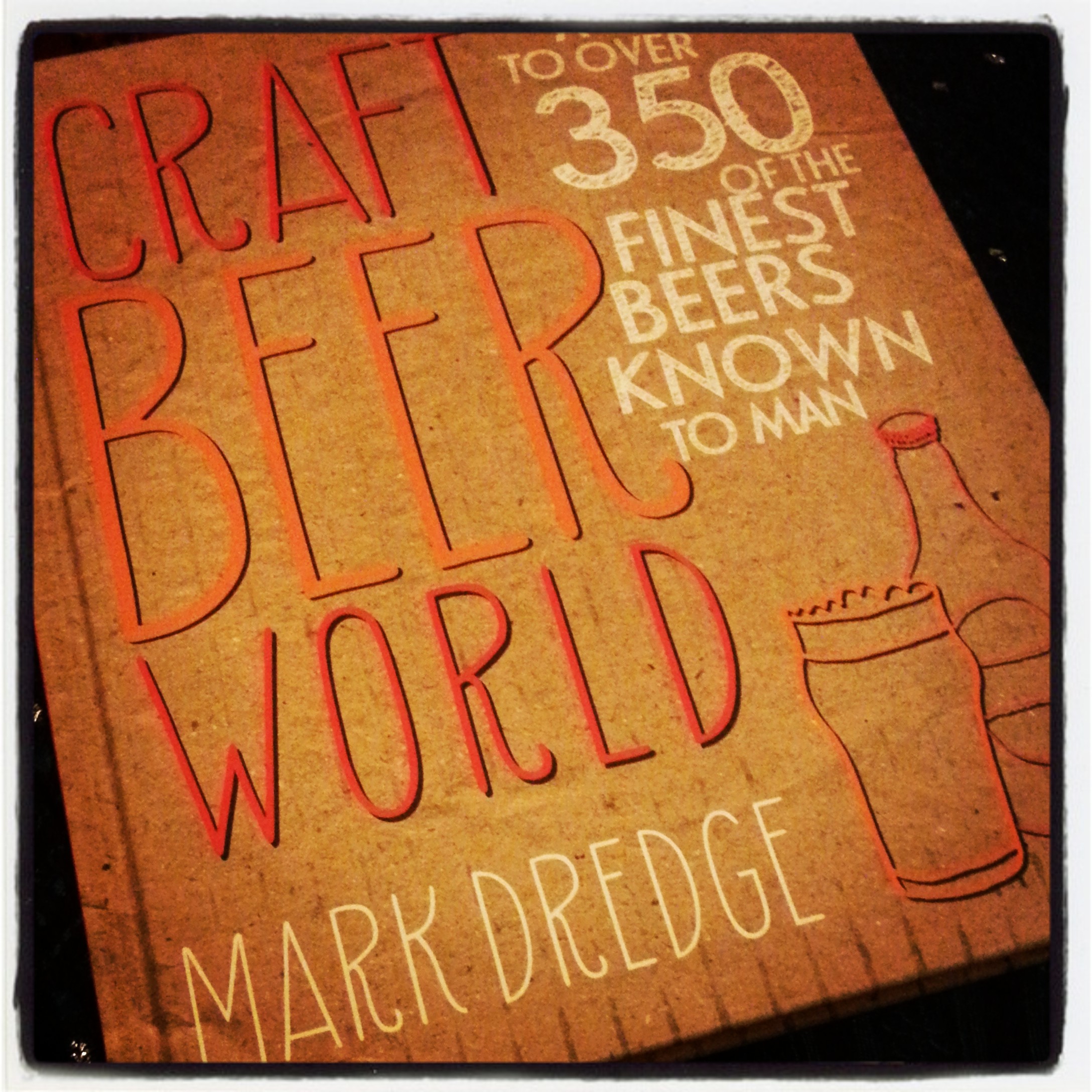
Mark Dredge: Craft Beer World – the passion and excitement about every beer is representative of the very best aspects of the craft beer scene.

Best Beer Blog or Website

I’m going to cover this in a separate post at some point, so stay tuned.

Best Beer App

Untappd – if only for  the debate it creates about what beer apps should or shouldn’t be like.

Simon Johnson Award for Best Beer Twitterer

Nothing has made me chortle this year as much as Let There Be Tim.

Honourable mentions for Boak and Bailey, for participating as much as analysing this year; Nate Southwood for never, ever changing; and Zak Avery for this tweet alone:

Best Brewery Website/Social media

@BrewDog is still the one to beat, though I love Wild Beer Co’s new website and Camden Town’s is very smart these days.

Food and Beer Pairing of the Year

It’s been said elsewhere, but Fraoch and haggis at EBBC13 was sensational.

BONUS AWARD: The Tin Hat Trophy for Best Effort at Tackling the C-Word

After reading so many earnest, heartfelt pieces about defining ‘Craft’ this year, I found Craig Heap’s What is Craft Bear? and Defining Craft Beer Through the Ages to be the best and most useful contributions to the debate, because they made me laugh and not want to self-harm.

Here’s to next year.

Fool’s Gold

Earlier today I tweeted this:


The article, by Tony Naylor on the Guardian’s Word of Mouth Blog, makes the case that limited edition beers are leading a trend of rising prices in the world of craft beer.

When I tweeted the link to it, I had scanned the piece and decided it made some good points. I didn’t like that it started out with its conclusion fully-formed, instead of reaching it by the end, though. Having said that, I enjoyed Naylor’s recent piece about crap pubs, and I think he touches on ideas and issues that matter to the nerdier among us, whilst also remaining accessible to normal, not-embarrassingly-excited-at-the-sight-of-foreign-keg-beer-they-haven’t-had-before sort of people. Beer being expensive? Sadfaces all round, right?

Naylor brushes aside quite a lot of important context (the cost of US/NZ hops, the real cost of maturing beer, duty on strength, retailer/pub prices, regional factors) and picks up, with jerking, twisting motions of angry, red hot pliers, the facts that support his argument. ‘These one-off beers are made by newer breweries, taking advantage of the rising interest in proper beer, and even by the oldies who want to look cool too. They’re all in on this big scam. Why aren’t they brewing proper cheap beer for the Honest Common Man of Noble, Simple Graft? Anyway, I keep buying them’ (slight paraphrasing).

When I tweeted the link, I described it as ‘well-reasoned and thought-provoking’. I said ‘well-reasoned’ because I sympathised with the sentiment of it, and thought he made his case well, despite not agreeing with it all. As for thought-provoking, well, here I am blogging about it. Not just it though, the reaction to it.

I read the article a couple more times over the course of the afternoon, certain that there was Something There I should be thinking about in greater detail. The thoughts never fully germinated. As I re-read it, I enjoyed it less and less, seeing a slightly greasy shine to it. I noticed other people on Twitter reacting to it angrily, seeing Naylor as someone who has flagrantly ignored a host of factors affecting the price of beer.

I even saw people get into rather shirty exchanges about ‘research’ and the importance of knowing what you are talking about. It’s all rather obvious to me now, of course, with 20/20 hindsight. This is what it was all for.

Clickbait.

Is this the price of fame for craft beer in the UK – the ignominy of the national press’ websites drawing our clicks with half-baked pieces that are worse than regular blogs? Sadfaces all round.


Craft Beer: 365 Best Beers in The World

Craft Beer Mag

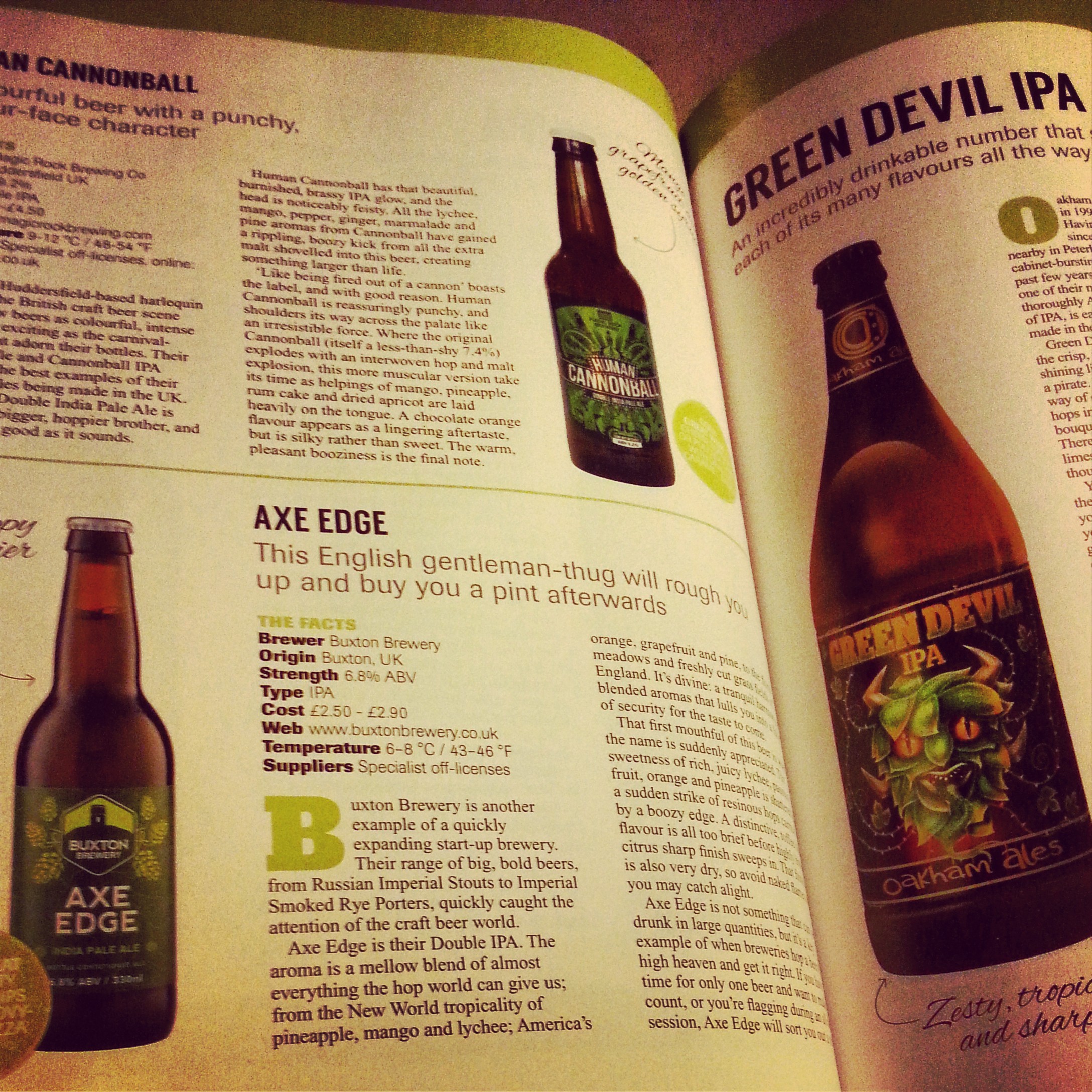
After Craig Heap and I contributed a few feature pieces for the Homebrew Handbook earlier this year, we were asked by Future Publishing if we were interested in writing a magazine covering the best beers in the world. Of course, we jumped at the chance, and spent an intense month drinking and writing about 365 of the very best beers we could find. We split the writing of the reviews, features and other bits and pieces right down the middle. It’s a real joint effort, one we are both proud of.

The question many will ask – and it’s the same question that Craig and I asked ourselves – is: ‘Does there need to be another Best Beers in the World book? Surely all the ground has been covered, hasn’t it?’ No. Of course it hasn’t. This beer we’re talking about here. We must of course concede that a lot of similar things have written. So what’s different about this so-called ‘bookazine’ of ours?

For one, it’s fairly easy to get hold of. Once I knew it was out, my girlfriend quickly found a copy in the W H Smiths in Kings Cross. I like to imagine people not too different from myself looking for a magazine to read on a long train journey and finding something nice and beery for a change. Here’s to you, train riding beer lovers.

Secondly, it’s set out a little bit differently than many other beer magazines or books. We decided to set it out by season. The beers seemed to fit into four large, sensible, evenly-sized categories, and it helped us to match the beers to seasonal foods, another key consideration. IPAs and pale ales are in spring; lagers, wheats and sours in summer; reds, milds, brown ales, dubbels and tripels in autumn; and porters, stouts and other dark stuff in winter. The seasonal approach makes for an interesting and natural progression, we hope. It also made food pairings more straightforward, and they appear throughout.

We see the magazine as a broad, accessible introduction to the world of craft beer, as well as helping those with an existing interest explore the world of beer further, and understand the beers they like even better. We were encouraged to highlight beers that provide a great introduction to that particular style, but we were never asked to use words like ‘MUST TRY BEFORE YOU DIE’, which is language I find unpalatably unpleasant to use when referring to beer. Why is there this obsession with death and lists of beer? Surely playing right into the hands of health lobbyists, you would think.

Perhaps the most important difference is the beers themselves. We set out to list not just the best beers in the world, but ones that you can actually buy. Reading about beers made in Korea or deepest Chile is fun, and fascinating, but the beer itself may as well be mithril or unobtainium. All the beers in our magazine (with perhaps a handful of exceptions) should be available to buy right now. They made it into the magazine on those two criteria: quality and availability.

IMG_20131130_181510

Sure, there are some fairly whacky and oddball choices, but for every Shnoodlepip and Guava Grove there’s a Chiswick Bitter or a Pilsner Urquell. As we state in the introduction, we see the magazine as a lovingly-crafted mix-tape of the craft beer scene right now.

It’s for that reason alone that I would defend writing ‘another’ best beers in the world magazine to my dying breath. I’d like to think that the magazine has value not just as consumer-oriented, user-friendly guide, but also as a snapshot of the beers that we all enjoy at this moment in time. Whether you choose to call it the craft beer revolution or not is relative, really. There’s no doubting though this it is certainly an important time for beer, and I think our magazine captures that.

This is especially true if it means you can walk into a W H Smiths in a train station and pick up a decent magazine about craft beer. I’m proud to have contributed to this situation, and extremely grateful to Future for giving a couple of beer bloggers a chance to get words in print. Hopefully, if this magazine sells well, there will be more to come in the future, and more chances for more bloggers to get involved. Cheers to that.

Craft Beer: 365 Best Beers in The World is available in W H Smiths, large supermarkets and shops with a large selection of magazines, and online, priced £9.99. An iOS/Android version for tablets and phones is coming soon.