Gentlemen, to Science™!

I enjoyed a recent post from Boak and Bailey, which asked whether brewing should be termed as a science, art, or something else entirely. The comments prompted all sorts of thoughts in my head about how you can measure the artistic or scientific nature of brewing. Yet again, I find myself pondering the notion of ‘craft beer’. Wait! Don’t leave! I’m not about to try and define it. I think we’ve all wasted enough of our lives doing that.

What I mean is, art is a highly subjective field. Science™, however, whether it’s a child in a classroom or a theoretical physicist in a billion-pound laboratory, is defined by measurable results. Surely then, our hazy, multi-faceted, ever-changing notions of craft beer better fit into the category of art.

On the other hand, brewing (at least at a professional level) requires an intimate knowledge of microbiology, and processes that are designed to produce, and reproduce, a liquid to a specific set of characteristics with a very fine margin of error. If not an ‘exact science’, is brewing not then at least some sort of science? Definitely.

But then, do we consider the humble layman homebrewer a scientist, or indeed the industrial brewer an artist? Should brewing be considered by the scale at which it is being done? We could have the same discussion about chefs and their ‘art’. Surely the Michelin-star-boasting chef would not tolerate the chip fryer at a greasy spoon to be deemed an artist. Is creativity a factor here?

There is an argument for a different term entirely. Consider this:

“alchemy (countable and uncountable; plural alchemies)

  1. (uncountable) The ancient search for a universal panacea, and of the philosopher’s stone, that eventually developed into chemistry.
  2. (countable) The causing of any sort of mysterious sudden transmutation.
  3. (computing, slang, countable) Any elaborate transformation process or algorithm.” – Wiktionary.
What you’ll see if you put some IPA under a microscope

I would certainly argue that beer is the universal panacea, at any rate. We know that brewing was once thought to have involved divine intervention. Before people worked out what yeast was and how it worked, some called the process of fermentation godisgood. That might be an old beer wive’s tale (most “beer facts” seem to be, sadly) but consider the ‘mysterious sudden transmutation’ that was associated with alchemy. The transformation of liquor (water), hops (or it’s predecessor, grist) and malt into an intoxicating beverage that brought with mirth and merriment must have seemed alchemical, if not magical. Fermentation and conditioning may not be ‘sudden’, but they can certainly be mysterious processes.

Maybe we are better off with something less abstract, like skill, which at least covers the ability and craftmanship of the brewer, if not entirely recognising the stranger, weirder aspects of brewing. That old marketing buzz word artisan might be a better fit, but again, can all brewers be artisans?

Is the correct, proper, accurate and fairest term for brewing just brewing? Perhaps it can be set apart from definitions as something special and unique. What do you think?

A year of beer: my Golden Pints 2012

golden pints

New year, new blog, so why am I looking back on the past 12 months? Well, it’s been one hell of a year for beer. The UK is teeming with even more new breweries, producing even more exciting beer to satisfy the most demanding of beer geeks. New pubs and bars are springing up to satisfy the growing demand for ‘craft beer’, even though nobody is entirely sure what it it is. Whatever it is, it has certainly been very good. Here are my favourites of the last year.

Best UK Draught Beer

1st – Magic Rock Human Cannonball (keg): A consistently excellent beer that is far, far, too delicious and drinkable to be 9.2%

2nd – Adnams Ghost Ship (cask): The hype about this beer made me skeptical, but after three consecutive pints I couldn’t think of a better cask beer I’d had this year.

3rd – St Austell Ruby Jack (cask): a red ale made with rye malt and buckets of hops, this is a rich, tasty beer that demands just one more pint.

Green_Devil_IPA_in_bottle

Best UK Bottled or Canned Beer

1st – Oakham Ales Green Devil IPA (bottle): The absolute showstopper of 2012. I first tasted it at GBBF, where it absolutely blew me away. The bottled version is even crisper, fresher and juicier. The best IPA being made in Britain.

2nd – Moor Revival: Stunningly refreshing, bursting with clean, hoppy flavours and only 4%. Shaming to so many beers that are stronger and taste of so much less.

3rd – Fuller’s Black Cab Stout: It might not be 18% and infused with ginger, arctic berries and uranium, but this is the best bottle of stout I’ve had this year. Magic Rock Dark Arts is superior on cask, however.

Best Overseas Draught Beer

1st – Mikkeller Texas Ranger: This chipotle-infused porter is classic Mikkeller – ambitious and cocksure, with enormous flavours precariously balanced by madness or design. Genuinely spicy and very moreish.

2nd – Flying Dog Wildeman Farmhouse IPA: If a trend develops for this delicious hybrid of saison and IPA, I will ride said trend to my destruction. The freshness of a saison coupled with the juicy bursts of citrus from American hops makes for something very special indeed.

3rd – Köstritzer Schwarzbier: A gorgeously crispy, none-more-black lager with loads of bittersweet roasted barley. Served in a towering Irish-Coffee-style handled glass, in the Carpenters Arms in Shoreditch.

Best Overseas Bottled or Canned Beer

1st – Kona Brewing Co Koko Brown Ale (bottle): Normally, including coconut in something ensures I will avoid it or hate it, but this sublimely balanced and delicious brown ale is sheer quality, through and through. I discovered it in Kris Wines and found myself praying it would still be in stock every time I returned.

2nd – Rogue Brewing Co Dry Hopped St Rogue Red Ale (bottle): Hoppy red ale to the power of ten; a sort of star-spangled 5am Saint/Rapture style red ale that deserves its swagger.

3rd – Mikkeller 19 (bottle): boasting 19 hops, this was undoubtedly Mikkeller’s ‘Spruce Goose’, and proved that the line between genius and insanity is a fine one indeed.
Best Overall Beer

Green Devil IPA – A genuinely astonishing beer that needs your immediate attention.

Best Pumpclip or Label

1st – BrewDog and Flying Dog’s International Arms Race labels. I simply can’t choose between Ralph Steadman’s Gonzo Dogfight or Joanna Basford’s beautiful Battle Owl.

2nd – Camden Town Brewery’s rebranding is bold, stylish and makes fun of style purists. Very cool.

3rd – Magic Rock Brewing Co. Seriously, just look at them.

logo_the_kernel

Best UK Brewery

There are simply far too many to choose from now, and almost every microbrewery in Britain has done something worthy of note this year. Having said that, three that have been consistently incredible this year are Magic Rock, Thornbridge and The Kernel. None of them have made a beer that wasn’t amazing.
Best Overseas Brewery

Mikkeller. You just can’t stop him.

Pub/Bar of the Year

I’ve been to so many amazing pubs and bars this year that, in choosing the best, I have to think hard about the times I’ve had there, not just the beers. Again and again, I keep recalling wonderful afternoons, evenings and nights spent in BrewDog Camden, where I am always welcomed warmly by the staff, and drink wave after wave of marvellous beers.

BrewDog seem to attract more hate with each passing month, but in the bar stakes, they are truly inspirational. They have the best staff, hands down, and every moment spent there is a pleasure.

St Austell Brewery and the Celtic Beer Festival 2012

Beer Festival of the Year

The Celtic Beer Festival at St Austell Brewery. As I blogged recently, this is an excellent and much livelier alternative to your average beer festival. Over 150 beers, focusing on Cornish, Welsh, Scottish beer, but with plenty more from around the UK and across the world, all served in the St Austell Brewery cellars with live music, lively crowds and a great atmosphere.

GBBF at Olympia was admittedly much better this year, and BrewDog’s Punk AGM was more beer festival than anything else, but the Celtic Beer Festival had a rowdy charm that really blew me away. I can’t wait to go back.

Supermarket of the Year

I live not too far from a decent-sized Waitrose, and they have really impressed me with their selection. They regularly have deals on different bottles too. There was a week or two when Sierra Nevada Pale Ale, Torpedo and Goose Island IPA was on offer, and there was much rejoicing.

Independent Retailer of the Year

It simply has to be the small but mighty Kris Wines. This bewilderingly well-stocked off-license is normally populated by men in their thirties, peering in studious wonder at the incredible range of beer from around the world on offer here (“Oh look,” you say turning to your left, “there’s all of Belgium”). The owner Kris is a friendly chap too, and always happy to help you find your looking for.

Online Retailer of the Year

I haven’t really used online beer retail that much this year. Having Theatre of Wine and Kris Wines relatively close to where I live means I do most of my browsing in a shop rather than online.

Whilst BrewDog have improved over the last year, I can’t in all honesty say they are amazing.

I’m going to have to abstain from this one.

Best Beer Book or Magazine

My winner would have to be Des de Moor’s London Beer and Pub Guide, which has served me very well this year, getting me out to the parts of London I wouldn’t normally explore, and has lots of history as a bonus.

I’ve also just started reading Tim Webb and Stephen Beaumont’s World Atlas of Beer, which is excellent and incredibly detailed.

Shakespeare’s Local by Pete Brown was also a great read, especially for social history buffs.

Best Beer Blog or Website

This has to be a tie between the regularly mouth-watering The Good Stuff and the grey-cell-stimulating Boak & Bailey.

I should also give an honourable mention for Pumpclip Parade, for fighting the good fight.

Best Beer Twitterer

Far too many to choose from, so I’ll simply do a Twitter-style #ff for @MelissaCole, @BroadfordBrewer and @CAMRGB, who regularly fill my timelines with beery fun and are all Good Eggs.

Also for my good colleagues @RumAndReviews – @estebansemtex, @Matt_RnR, @Stevecrotty, @generallucifer, @ruariotoole and @craigheap.

Brewdog-Logo1

Best Online Brewery Presence

BrewDog are still putting everyone else to shame. Every brewer should have a very different online presence certainly, but BrewDog’s is simply better. They blog regularly, use Twitter to actually engage with drinkers (instead of just retweeting praise *shudder*), and their employees are passionate envoys of beer geekdom.

Food and Beer Pairing of the Year

Nothing too gastronomic or abstract – just a traditional Belgian beef carbonadde flamande I made at home in the slow cooker, with the beer marinaded in Chimay Red overnight. Naturally, another bottle or two of Chimay Red were used to wash it down. So simple, but so, so tasty.

In 2013 I’d most like to…

Visit more breweries, meet more beer tweeters in real life and drink a lot more beer from Belgium and Italy.

Open category – Worst Beer PR Email of The Year

Let’s face it, there have been a lot of contenders this year. For me, it has to be the misguided but enthusiastic efforts of the people doing PR for St Stephanus, who proudly and breathlessly lauded its completely unique selling point: that it undergoes a secondary fermentation in the bottle. Whoops.

New Year, New Blog…

The Beer Diary

What’s the big idea, eh? Upping sticks from Blogger, moving over here to WordPress and changing the name? Yes, the time has come to leave behind the insufferably wacky quirks of Blogger for something that actually behaves itself.

The Beer Diary will have a broader focus than the sporadic moaning of my previous blog. I’m going to delve more into the things that get me excited: beer history, beer and food, where to drink and what to drink.

I’ll also post my own verdict on 2012’s Golden Pints in a couple of days. It has been a rather good for beer, after all.

So stick around, and you might read something you like.

Keep thinking and drinking.

Chris.

St Austell Brewery and the Celtic Beer Festival 2012

The Celtic Beer Festival’s Top Bar in full swing.
There is a firm connection in my mind between beer and rain. Why? It’s hard to say. It may be something as subconscious as the association with water. It could be more abstract; that these are two things the British are world-beaters at. I think it’s most likely to be memory association. There have been many occasions when, in pouring rain, I have sought sanctuary in a pub. Watching the rain bucket it down whilst sat in the cosy warmth of the pub with a pint is a memory almost all of us can recall if asked.
My time in Cornwall last weekend provided ample opportunities for this. We may moan a lot about the weather, but it is with perfectly good reason. As I write, the South West of England is still, literally, awash with reports of floods and torrential rain. The effect on the roads, public transport and the rail networks has been predictably nightmarish, despite it seeming to occur on a yearly basis now. It was here that I came a cropper.
I was visiting St Austell Brewery with the British Guild of Beer Writers, with the chance to tour the brewery with Head Brewer Roger Ryman and attend the Celtic Beer Festival at the Brewery the next day. Due to all manner of boring travel-related nonsense that is not worth describing, I missed the brewery tour and was in a rather sour mood by the time I got to our hotel in Truro. However, there was still a marvellous beer and food dinner to be enjoyed at the Pandora Inn that evening, where I got to meet and chat with two of the lads (Rob Orton and Adam Lumb) from St Austell’s microbrewery plant. As so many brewers are doing now, St Austell are using a sort of pilot testing plant to brew one-off beers with the intention of finding long-term new core beers. The menu that evening matched five new beers from the microbrewery with five courses of local cuisine. The Ruby Jack Rye – a stunningly rich, smooth and well-conditioned red rye ale – was my personal favourite. Others, like the Smoking Barrel Rauchbier and Bad Habit Abbey Style Tripel, were also excellent.
The excellent Beer and Food matching menu at the Pandora Inn on Friday night.
The 14th annual Celtic Beer Festival took place the next day, and was held in the cavernous cellars and tunnels that form what were the old storerooms. Over 150 beers were on offer and more than 30 of those were from St Austell itself, including beers that the microbrewery have been working on. Whilst wishing to avoid that particular cliché about arranging drinking occasions within brewing premises, I can categorically state that St Austell run an absolute belter of a beer festival. The atmosphere, with a noticeably younger crowd than many beer festivals I’ve been to, was as lively and occasionally as rowdy as any night out. Several levels of storerooms made for low-ceilinged, noisy drinking halls, and one had a stage with live bands playing. Everyone I saw that day had a smile on their face. The atmosphere was amazing, and all the more remarkable considering the amount of time that many people had been waiting outside in the rain for over an hour to get in.
The Bottom Bar was constantly packed with people enjoying live music and good beer.
More importantly, there is the matter of the beer available. I had been expecting a mix of Cornish, Welsh and Scottish beers, but the selection was far wider. Obscure American imports such as SKA brewing Pinstripe Red, Sierra Nevada Kolsch and Stone Levitation IPA were available alongside tamer fare like the brewery’s own Tribute, Proper Job and Trelawny. All the beer I tasted, no matter its origin, tasted fresh and excellently kept. It really is some of the best beer I’ve tasted at a beer festival, and it was a wide variety of cask and keg. I will share my short, festival-friendly (read ‘scribbled on programme’) reviews in next week’s Rum and Reviews Magazine, though I will give special mention at this point to Bodmin’s own Harbour Brewing Co and their delectably decadent Chocolate Stout. Easily the equal of Brooklyn’s Black Chocolate Stout in terms of flavour, this 9% beast is so light-footed you could swear it was half the strength. The rich, indulgent chocolate flavour is reassuring evidence of a large amount of highest-quality chocolate malt. It really is sensational. St Austell’s range of Abbey-style beers, including the aforementioned Bad Habit, are also fantastic.
Finally, I would like to pay tribute (oh, come on) to Head Brewer Roger Ryman himself. When he wasn’t serving behind one of the festival’s many bars downstairs, he would be upstairs, happily having his ear chewed off by bloggers and fans of the brewery all day long. Cheers to Roger and the brewery for organising such a fantastic beer festival.

Dog Eat Dog World

Copyright Ralph Steadman

Collaborations in the brewing world, especially between microbreweries, have become part of the loving, warm-hearted soul of this industry. It’s a curious thing really, for businesses in the food and beverage industry to collaborate in this way. We might expect it of celebrity chefs, or niche, independent delis and producers, but it hardly occurs elsewhere in food and drink.

In the arts, you can’t move for collaborations between musicians, artists and authors. Sometimes, beer and art cross over. Rapper Professor Green launched his own beer (brewed by Titanic) called Professor Green’s Remedy, and Beck’s have been using artfully-inspired labels created by artists and bands for a few years now. Even Elbow have released a ‘build a rocket boys!’ beer with the helps of Robinsons.

It’s a question that is barely worth asking, really. Why beer? Beer promotes collaboration because it’s one of the great social levellers, the great equaliser between ages, cultures and ideologies that promotes understanding and friendship (although, past a certain point, some people become progressively less understandable and friendly).

Sharing, caring and so on are all very well and good, but how about a little competition to spice things up?

Copyright Johanna Basford

On Monday, I attended the climactic final part of the recent International Arms Race between BrewDog and Flying Dog to create a winning Zero IBU IPA using no hops. It was a fascinating concept, and one that was wisely chosen. After all, instructing two hop-loving breweries to create a superior IPA would simply result in each producing a nuclear-hopped, scorched-earth-bitterness monster, which either could easily do any day of the week. Specifying that no hops could be used levelled the playing field and instead encouraged innovation. After agreeing on a set list of ingredients used to create spicy bitterness instead of hops (including bay leaves, ginger, rosemary and all sorts of herbs and spices), each brewer went off to create very different beers.

I will review each of them properly in a future issue of Rum and Reviews Magazine (once I have received some bottled versions), but the beers couldn’t have been more different, and the event held at BrewDog Camden was a great evening of beery nerdiness. It may have been a ‘Combative Collaboration’ and a competitive one, but both brewers gained from it, and had a lot of fun doing it. The competitive element intrigued me, because we are so used to the likes of Mikkeller simply co-authoring something with every brewery under the sun. Bloggers, writers, anyone can get involved, and that’s great. However, I think the competitive element adds something exciting. It encourages creativity and pushing boundaries, and I think a lot could be done in this regard with food.

Imagine, instead of trying to make the best Beer X, why not try to make the best beer to go with Food X?

The ultimate steak, BBQ or burger beer. The ultimate curry beer. The ultimate dessert beer. A famous chef could define and create the exact dish that the beer must match to, and then brewers could be invited to compete for the accolade of having the best beer to go with it. It’s something that drinkers and bloggers give their opinion on all the time (“for me, if I’m having a curry, I absolutely must have a … to go with it,”) and it would force brewers to put their pride on the line, instead of just idly suggesting an easy food match on the back of the bottle.

What do you think? Are collaborations a Good Thing? Would you like to see more competitions? I’d like to know your thoughts.

Yes We Can


It’s been a hell of a couple of weeks for me, and I imagine, for many of you too. The Olympics of course, plus some outrageously hot weather, the Great British Beer Festival, and all sorts of warm-weather based shenanigans to empty your wallet for. My GBBF coverage will find its way to Rum and Reviews Magazine shortly, but I thought I would share another recent and significant beer experience.
Having finally joined the British Guild of Beer Writers(mainly to further my own ambitions, but also because I have always wanted to be part of a Guild), I was invited to a pre-GBBF event at the marvellous Porterhouse in Covent Garden (reviewed by The Gentleman Drinker here) to try out a wide selection of American craft beer in *DUN DUN DUNNNN* cans. The beer was excellent, and it got me thinking about beer’s relationship with aluminium, and what the future could hold.
The humble can of beer has served us all tirelessly without complaint for decades, and yet, it has a serious image problem. We don’t see the can for what it is, we see it for what it isn’t.
“I said where’s the BEER aisle not the insipid, corporate, industrial…” James Watt  hated going to Tesco.
The 440ml or 500ml can is the default beer SKU in the ever-growing off-trade, and pallets of them dominate aisles of supermarkets across the land. However, despite its ubiquity, or perhaps because of it, people don’t see cans of beer as quality items. There is always a perceived cheapness to them. The industry has come a long way from having tinny-tasting tinnies, but the association somehow lingers on. Bottled beer has perceived class, quality and tradition. Then of course there is bottle-conditioned beer, one of beer’s most important expressions. Secondary fermentation creates fuller flavours, natural carbonation and opens up the wonderful world of aged beer. Even CAMRA will occasionally reach down from Olympus and deign to label bottle-conditioned ale with their logo, designating ‘properness’.
How are cans going to compete with that? In the UK’s current beer renaissance, how can the humble can share space with Kernel, BrewDog and Mikkeller in the hearts of beer geeks? Well, BrewDog have already bought into canning their beer, not in a big way, but both Punk IPA and 77 Lager are available. Surely, I hear you cry, that was just BrewDog doing one of their ‘clever ideas’ wasn’t it? Were we supposed to take them seriously?
Not a joke.
Well, BrewDog were simply emulating the American craft beer scene that they so desperately want to recreate here in the UK. American microbreweries (or rather, what they would call microbreweries) have been pioneering the idea of quality beer in cans for years, and I think it could be the way forward in the UK too.
Why? Well, for one thing there’s the benefits to the brewer. Cans are cheaper, easier to produce, and easier to store and deliver. That could theoretically mean that smaller brewers find it easier to get their beer to more pubs and shops.  
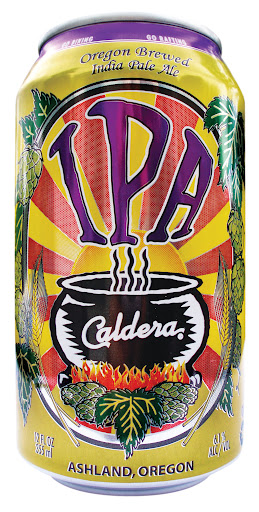
There is also the fact that consumers would enjoy a lower price for their beer, and that it’s easier for them to carry home too. More importantly, they could carry home more of it. As we all know, beer in cans gets colder quicker than beer in glass bottles, and there is absolutely no risk of UV light damage or ‘skunking’. Aluminium cans are arguably easier to recycle, and they are generally more practical and functional than glass bottles. As an example, recall how many times you have had to have sadface-inducing mainstream keg lager in a plastic cup at gigs and festivals because they can’t sell decent bottles of beer? Now imagine being at a gig or festival, strolling up to the bar and seeing some of these beauties:
 As I mentioned earlier, I was lucky enough to sample a selection of canned American craft beer recently, and on the basis of what I tasted, an aluminium-coated future does not frighten me in the least.
I got to taste everything from the big-hitting mainstays like Sierra Nevada to smaller, kookier outfits such as 21stAmendment, Maui Brewing and Caldera. Of course, in American there’s no such thing as small, but these producers give us an idea of how smaller brewers have bought into the idea of canned craft beer, and they’re doing it well.
Something slightly random but important that stuck with me afterwards is that cans have the better ‘opening noise’ than bottles. That sharp percussive crack and hiss flicks a switch in your brain that gets your mouth watering. What’s that about? 
As you can see above, with a change in packaging comes a change in labelling. With cans, the label ismost of the packaging, and most canned US craft beers have really eye-catching labels. There’s garish, gaudy colour schemes that remind you of vintage 60’s music festival posters, star-spangled red-white-and-blue palettes, or stark contrasting colour schemes with stencilled lettering and surreal art. They’re striking, they capture the eccentricity of the beer and its brewers, and most of all, they look good.
  
Sometimes they look a little too good. A few, including Caldera IPA (above) resemble some kind of tropical fruit drink more than a strong beer.
It all comes back to quality. If the quality of the beer can be assured, then eventually beer connoisseurs will be won over. It doesn’t mean an end to bottles by any means. Rather, bottled beer, and bottle-conditioned beer in particular, will become even more special, even more rare and even more desirable. Cans will become the ‘norm’; beer of good quality to be enjoyed without fuss. Bottles will become valued possessions, encouraging more people to age their beer, and encouraging brewers to create beers that are designed to be aged.
Imagine a world where this could be even more amazing than it already is.
Ultimately, true beer nerds connoisseurs will pour the beer into a glass before drinking it, whatever the original vessel. The quality is not an issue – the beer tastes really, really good. The packaging is sharp and exciting, and I think it moves beer away from hefty, masculine pints and big bottles. I think cans make unusual beer like Coconut Porter, Black IPA and the like more accessible and less exclusive.
What do you think? Can you see yourself drinking beers like those above? Is this inevitable, and what place will cask ale and bottle-conditioned beer have in such a future? I’d like to know your thoughts.

Carlsberg and the C Word

Kraft!

Carlsberg Sweden have announced they will be launching a, and I quote, ‘craft-style’ lager this year. It’s hard not to be cynical when a large company enters a player into a growing trend somewhat late in the game (see Stella and cider). After all, there’s nothing connoisseurs like more than when a large mainstream company launch something that shamefully imitates or seeks to imitate a niche product, right? Right?

‘Lawn Mower’ will be a 4.8% lager developed by Carlsberg in the backyard (ooh, so rustic) of its Falcon Brewery in Falkenberg. The ‘Backyard Brewery’ is the latest in long line of craft brewery pilot plants opened by larger brewers in the last few years. In the UK, Molson Coors have had a pilot plant (based out of the old White Shield Brewery) for a few years, and regional ale producers Brains and Thwaites have both built a ‘craft brewery’ recently. The aim for any brewer who does this is the same: to produce and test out small batches of left-of-field beers, to build long-term brands out of successful brews, and to improve their reputation among beer geeks.

This is all well and good. Big brewers want to have a slice of the growing ‘craft beer’ trend, and win over people that think they’re only interested in making common denominator beers. Fine. And Sweden’s craft beer scene is ripe for the picking. In fact, most of Scandinavia is undergoing a beer renaissance. BrewDog sales figures indicate that most of their exported beer goes to Sweden, and brewers like Mikkeller and Nøgne ø are darlings of the UK and US craft beer scenes.

So with that in mind, why in the name of all that’s holy and good have they described it as:

“dry hopped with Amarillo and Cascade to give it a grassy aroma.”

Bad news for beer-loving hayfever sufferers

I mean, I get it: ‘grassy’, ‘lawn mower’, but there’s several things wrong with that sentence. First, what is a grassy aroma, why is it appealing, and why would you build an entirely new brand around it? I understood a grassy aroma to typically come from lightly hopped lagers and ales, and an actual ‘fresh-cut grass’ aroma is relatively rare, usually buried or distorted by stronger, sweeter scents from the malt. If that’s what you’re going for, fine, but it’s not an aroma that speaks to experimental palates used to hop bombs and barley wines.

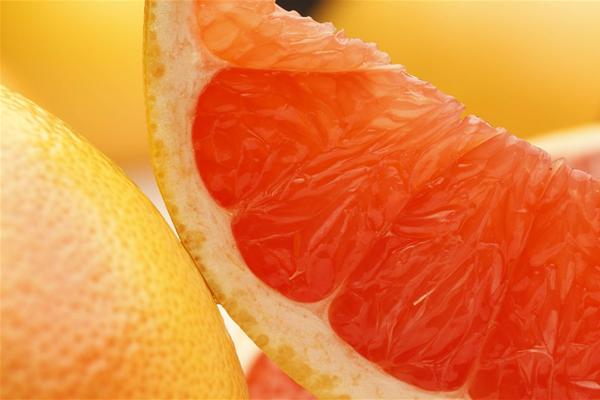
It’s also worth clarifying, in case you didn’t already know, that Amarillo and Cascade hops are the kind of big, brash, tropical fruit-scented behemoths that are found in so many American IPAs. They don’t have a grassy aroma. They’re bursting with orange and grapefruit, and taste like it too.

Not grass.

So in conclusion, they are either a) making the beer completely wrong, b) describing it completely wrong, or c) both.

It would seem that Carlsberg have hired one of those beer marketing people that say really weird, nonsensical things. You know, like ‘Brewed traditionally for flavour and taste’ or ‘the beer’s carbonation gives it great, refreshing aftertaste’ or they think Maris Otter is a kind of hops. These people should have been hounded out of beer marketing about seven years ago and forced to write reclining chair ads in the Daily Express.

When I saw ‘Carlsberg to make craft-style lager’ and ‘amarillo and cascade’ I simply assumed they were going for some kind of a Brooklyn Lager rip-off. It’s a safe bet that people will like it and it wouldn’t be too hard to achieve. To be honest, I still suspect this to be the case, and they’ve simply got some utter berk to explain the beer to the media. The same spokesman, clearly some kind of android, goes on to say:


“When we tried some of those high quality brews, we saw an opportunity to bring the concept to market,”

and:

“It (the Backyard Brewery) is not a new brewery, it’s a virtual concept where we leverage our newly-renovated development brewery to make room for creativity and passion.”

We are to assume there was previously no room for passion or creativity at Falkenberg Brewery, and that new ideas were hunted down and shot like the dogs they are. The evidence is in Carlsberg’s “varied portfolio” today. Impressive stuff. Three, count ’em, THREE lagers.

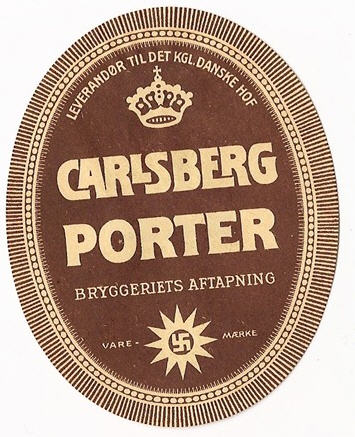
If Carlsberg really want to impress craft beer lovers, they need look no further than the beers they were making a few decades ago. The likes of Carlsberg 47 (Vienna lager), Carlsberg Gamle (Munich lager) and Gammel Porter, among others, were still being made in the brewer’s main headquarters in Denmark as recently as the 1990’s, and a large brewer resurrecting old brands (like Molson Coors did with Worthington White Shield) is generally more impressive than turning out a cynical knock-off.

They could maybe leave the old trademark off though…

I can see why they are desperate to diversify but they should look a little closer to home if they want to gain any credibility, which appears to be another C word they have no concept of the meaning of.

Do these kind of moves by large brewers rub you the wrong way? Does anybody know if those old Carlsberg brews are still available? What’s the story with swastika trademark? Do you like the smell of cut grass? Leave a comment.