An interview with Mark Dredge about ‘Craft Beer World’

IMG_20130508_233215

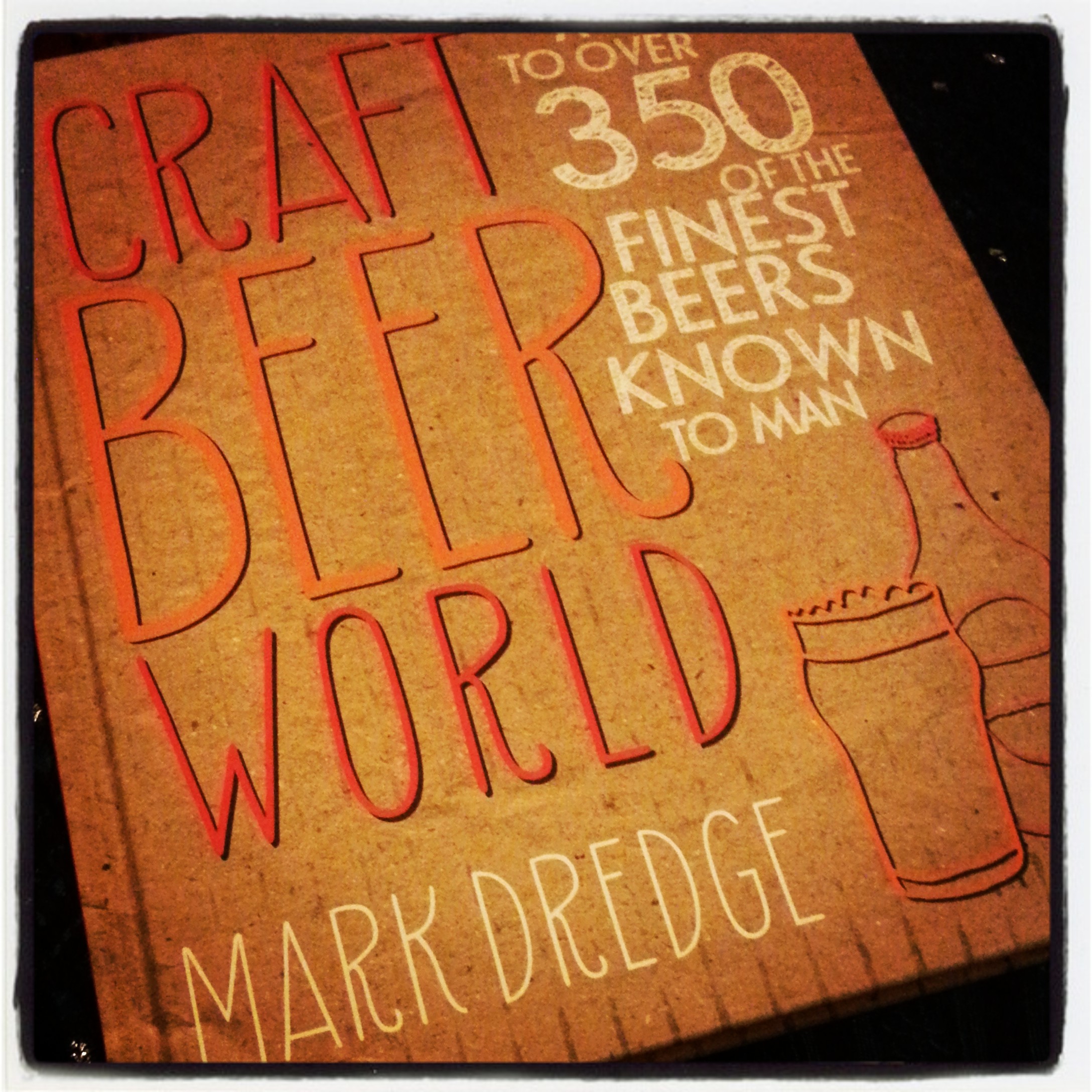
Craft Beer World is the long-awaited debut beer book from Mark Dredge, author of the blog Pencil and Spoon and award-winning beer writer. I caught up with Mark at Camden Town Brewery to discuss his book.

So how do you feel now that Craft Beer World has been published?

Excited. I signed the deal to write the book in April 2012, and it’s come out just over twelve months later, so there was a tremendous amount of work.

For months I’ve been thinking ‘Why isn’t it out now? Why isn’t it out?’ because something like this dates almost immediately. Every time I go to a pub and think ‘Oh, this beer’s so good, it should be in the book…’

It’s exciting. There’s some terror as well because it’s so unlike a blog. With my blog, if there’s a spelling mistake, I can go back and tweak it. If there’s something factually incorrect, I can tweak it. But there’s a permanence to a book, something a bit more raw. You can feel the volume of work, something that took over your life. It kind of sucks something out of you and throws it into the pages…

The most exciting thing is opening it now and actually finding beers that I’d forgotten I’d written about. Reading it and being excited by what I’ve written, thinking ‘actually, that’s quite cool.’ I’m really happy with it.

What did you want to achieve when you set out to write the book, and do you feel you’ve achieved it?

I’m a massive beer geek, so I wanted to be excited by every beer in the book, or be interested in every beer in the book. That was the reason for any of them to be in there. What’s their history? Is there a really interesting story that’s related to the beer? Or is it just a really exciting beer that if I saw it in a bar, I’d think ‘I need to drink this beer’. That was what I wanted to achieve, and yeah, I think I have. There’s no beers in there that I think don’t deserve to be.
IMG_20130509_001737

Given that there’s quite of a lot of beer books that are ‘X Number of Beers You Should Try…’ – what sets Craft Beer World apart?

The ‘350 beers’ thing was attached to the title afterwards. We never sat down and thought ‘I think we should have 350 beers in this book,’ it was more a case of ‘how many have we written about so far? 350? All right.’

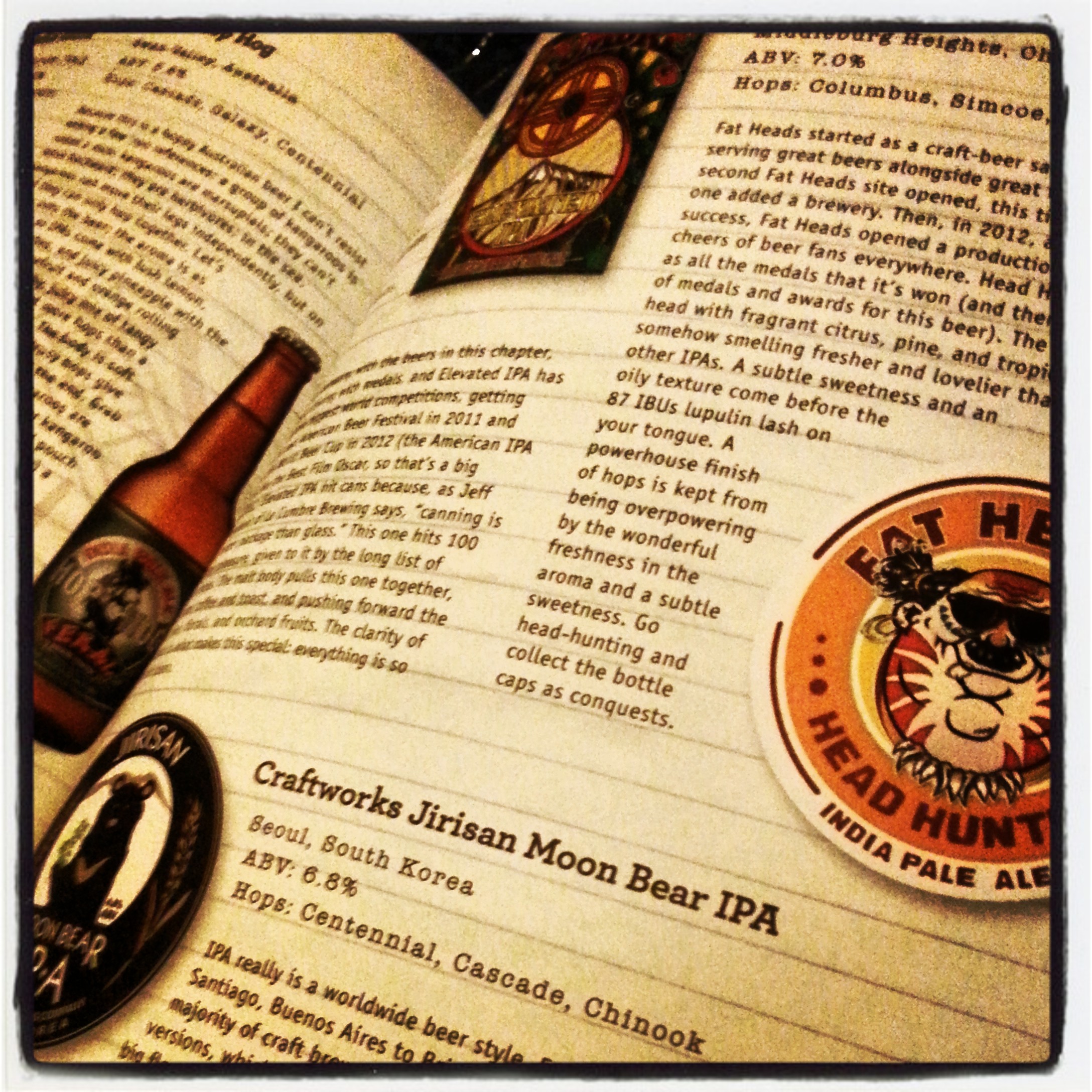
There’s so many books that focus on the classics, and they’re great, but I wanted to write a book about the new beers, the beers that have been inspired by the classics and where they’ve been taken to. Something like a Trippel, for example, is  such a classic, old style. It’s been brewed for 80 years or so in its current incarnation. Brewers can do so many things with that idea, whether it’s an American hopped version, or barrel-aged version, or if it’s got wild yeast in there. There’s this huge potential that you can take a particular type or style of beer as a starting point and then evolve it. I wanted to showcase what you can get from a single beer style, which is why the book is separated into beer styles to show the breadth you can get within a category.

You have taken a very pragmatic approach to styles. Instead of relying on just the traditional ones, you set out the  more esoteric styles like Belgian IPAs and give them just as much attention.

Definitely. There’s other styles in there which veer away from the classics and show other ones that have been inspired by them or are similar to them. Like the wheat beer category, for example, is really a wheat beer family, and it has a huge range of beers within it. Or something like dark lager, that again has a huge range of types that you can find.

In the book you will occasionally describe different places and situations that you attach to your experience of drinking the beer you’re writing about. How important do you think that is to get people interested and excited about beer?

For me, the moment matters more than anything else. I could have had a fridge with all 350 of those beers and sat and drank them at home. Fine, it would have had the experience of tasting the beers, but the context is everything. That context really matters. Whether you’re drinking it in the brewery, or on a beach, or wherever you may be, the actual experience is what really matters. I really want to get that experience in there. In my mind, there’s no other illustrated book like this that has done the first-person approach, and for me that was really important.
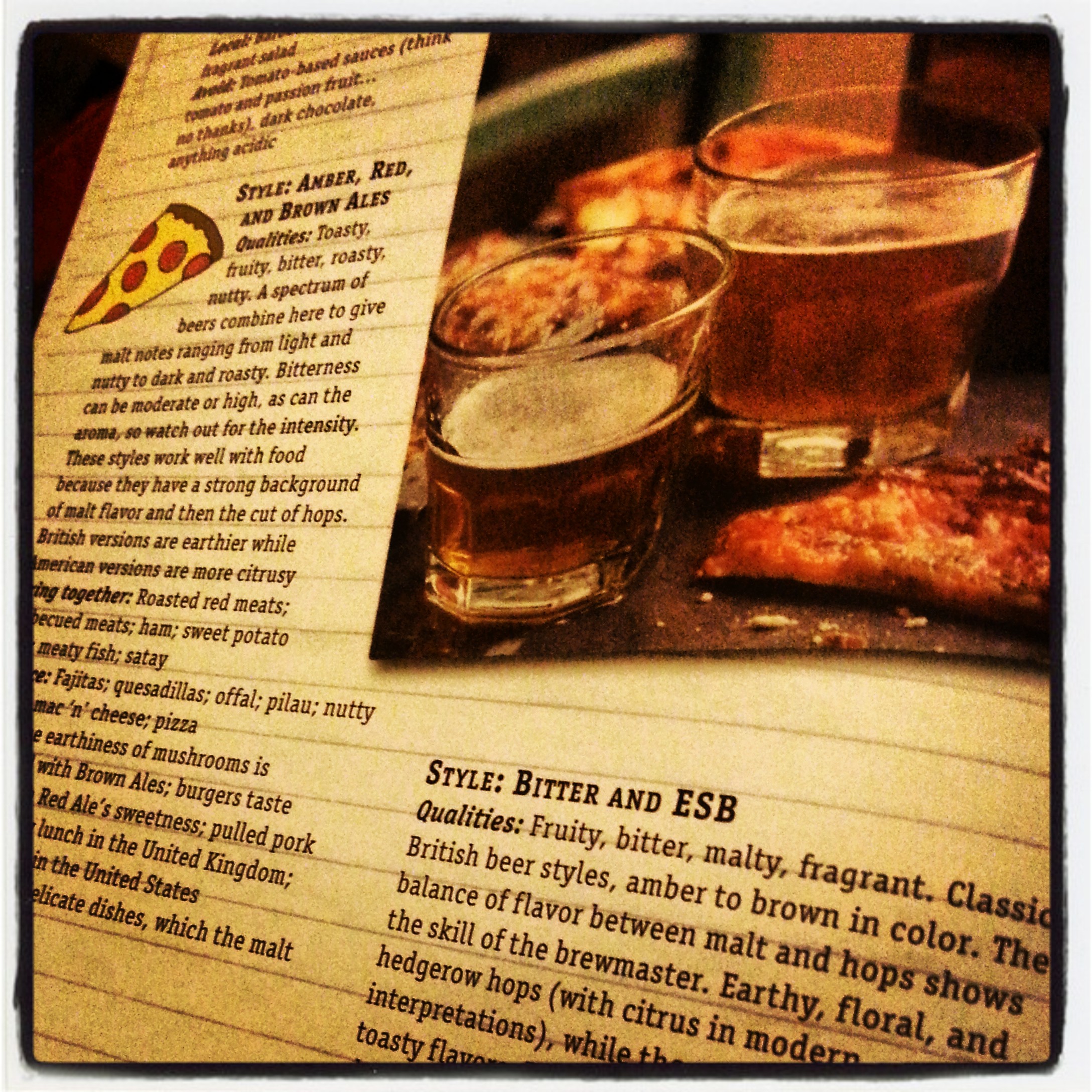
IMG_20130509_001948

After doing so much travelling, and tasting beers from so many different countries, will your next book project be a straight-out travel book?

I’d like it to be. I’d really like to do a kind of a Pete Brown style, non-fiction, travel, history, future, encompassing all of that. But that one hasn’t quite kicked off yet. I just want to build up more knowledge, more experience and things like that.

If you could go back in time to before you started the project, what advice would you give yourself?

 Don’t agree to contact all the brewers to get all the images yourself! It’s a hellish job, it really is awful. I was so focused on writing, and I’d covered about ten styles at the time and had about 70 breweries to contact. It was a really thankless task. A lot of brewers are brilliant and get back to you straight away with so much information, but other brewers just did not like, and it was just a pain in the arse.

I worked as hard as I could on this book. I learned as much as I could, but there’s always the thing that, as soon as you finish it, you learn something new and think ‘If I’d have known that five weeks ago, or five months ago, then I would have added that to the book’. With a project like this, it’s impossible to know absolutely everything at that one point in time. You can only really use the knowledge you have at that point and hopefully apply it the best way you can.

But I suppose all that new knowledge now feeds into the next book project…

Yeah, exactly. So, hopefully, they will get keep getting better and better.

Craft Beer World, published by Dog’n’Bone, is available to order from Amazon.

Sainsbury’s Great British Beer Hunt 2013

IMG_20130504_131046

For the third year running, the Sainsbury’s Great British Beer Hunt seeks to find the best beers from participating British brewers and give national distribution deals to the ones that sell best.

Members of the public and trade attend one of four regional events in April and May. The winning beers from each event are given immediate regional distribution (or go into an in-store competition – I know, it’s a bit confusing) and the top three beers from each region then compete in the final in London later this year. A champion and a runner-up are selected from the twelve finalists, both winning a six-month national distribution deal, bragging rights, and – presumably – a massive sales spike.

I attended the selection event for the East region at Vinopolis in London last weekend. It was the first time I have taken part in the Hunt, and I was impressed with the selection of beers. However, it is worth noting that this is a very different kind of competition to other beer competitions or awards. This is all about retail, production and distribution. This is not necessarily the Best Beer in Britain, but rather the Best Beer Made by Brewers Capable of Producing Enough Beer to Serve Every Sainsbury’s Store.

In the selection for the East Region, famous and popular brewers like Oakham, Meantime, St Peter’s and Bateman’s rub shoulders with smaller,  less well-known brewers like Ridgeway, Ole Slewfoot and City of Cambridge. The most striking thing about this is that the increasing number of highly-regarded small London brewers were classed out of the competition by economies of scale. Nevertheless, there were some great beers to try, and it was nice to taste some British beers from outside of London for a change.

IMG_20130504_135412

The way the judging worked was thus: each of us had a look at the beers available (all served from bottles of course, some bottle-conditioned and some not), chose eight we wanted to judge, collected them on a tray like some kind of incredible buffet, and selected our four favourites. We then numbered these from 1st to 4th place and submitted our voting card.

You’ll have to excuse my lack of info, here. Whilst I knew the beers were broadly listed by strength (not, to many beer geek’s disapproval, by colour AND strength), the strengths weren’t actually listed on the voting cards. Anyway, here are the transcripts of some beer-splotched tasting notes from my notepad to give you an idea of the beers in the competition:

1. City of Cambridge – Robert Oppenheimer

Underpowered marmalade pale ale. Dry finish, bit of astrigency, pleasant but not a thriller.

2. Ole Slewfoot – Dragon Hall Saison

Appley, sweet/sour biere de garde flavour and texture. Not bad but lacks life. May be due to being poured from a jug, not fresh bottle.

3. Hastings – Pale Ale

Okay fruity pale ale. Needs one or two more different hops to perk it up and provide roundness. Occupies the centre of a lager/pale ale Venn diagram.

4. Oakham – Scarlet Macaw

Lively Yakima-hopped red ale. Bursting with grapefruit, lychee and toffee. A real treat.

5. Bateman’s – Black Pepper Ale

Sweet, biscuity and malt-driven. Weirdly, not peppery enough, despite containing floating bits of black pepper.

6. Compass Brewery – Torp

A raisiny, boozy, pear droppy, biere de garde/ESB superbeer. Loads of character, fruit, punch and finish. Needs pork, stat.

7. Bateman’s – B Bok

Rich, caramel soaked doppelbock. Bitter, sharp, and oozing with class.

8. Ridgeway – Querkus

Oak aged, whisky malt smoked porter. Rounded, smoky and rich, yet smooth enough not to overpower. Perfect for beef.

You’ll probably be able to tell which ones I chose, but I won’t say just in case it breaks the Ancient Law on Supermarket Beer Competition Ballots and I’m banned from ever attending one again.

I’m very interested in seeing what makes it through to the next stage. Will the curious choose the weirder stuff, and will that be enough to displace the likes of Meantime and Bateman’s? A couple of pale ales and bitters will almost certainly make it through, but I hope something weird makes it to the store stage.

After the voting, we were encouraged to go through to the Meet the Brewer area, where you could bend the ear of most of the brewers whose beers you had just tasted, and taste some more if you wished. Oakham, Ole Slewfoot, St Peter’s and Bateman’s all made a great effort, and in fact everyone was very chatty and more than happy to talk at length about beer recipes and where else to find their range. All in all, a great little event, and one that I will look forward to next year. Now then, I just need to get onto that judging panel in the final…

(It’s taken me a week to get this post up, which is pretty poor for a blogger. It’s like I’m blogging via carrier pigeon in war-torn early 20th century Europe. The truth is that I’ve been busy drinking beer, which means there will be a flurry of posts in the next few days to make up for the drought. Huzzah etc.)

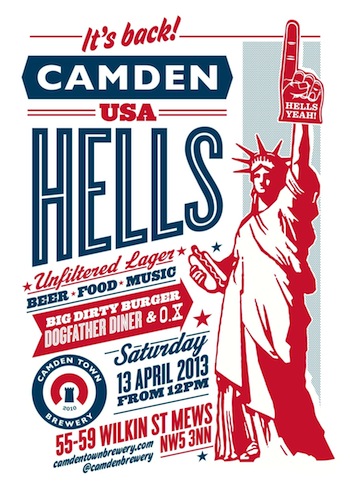
Camden Town Brewery USA Hells Party

USA-HELLS-POSTER

The Beer of The Summer.

A beer as legendary as the Holy Grail. The beer that turns a sunny day into a glorious, shiny summer day.

I tasted such a beer last year: USA Hells Unfiltered Lager from Camden Town Brewery. Its release heralded the opening of the brewery’s on-site bar, and began their tradition of hosting street food vendors and serving cool, brewery-fresh beer in classy surroundings. I thought the beer was sensational, a truly innovative fusion of clean, crisp lager and American hop razzmatazz. Then, one day, the limited run of USA Hells was no more.

I have, from time to time, heralded other beers as contenders to the crown. BrewDog’s Dead Pony Club and Kernel’s recent Saison both have what it takes, but neither compared to the crisp, schizophrenic perfection of Camden’s lager supercharged with Cascade, Centennial, Columbus, Citra and Simcoe. I was therefore understandably frantic with glee at hearing of its return. On Saturday, Camden relaunched USA Hells at the brewery bar with the help of local meatslingers Dogfather, Big Dirty Burger and O.X.. The weather varied between cloudy and mild, and wet and wild, but as ever the atmosphere at the brewery was great. A lively crowd of beer seekers mixed with local families and friends just hanging out at the brewery.

IMG_20130413_163034

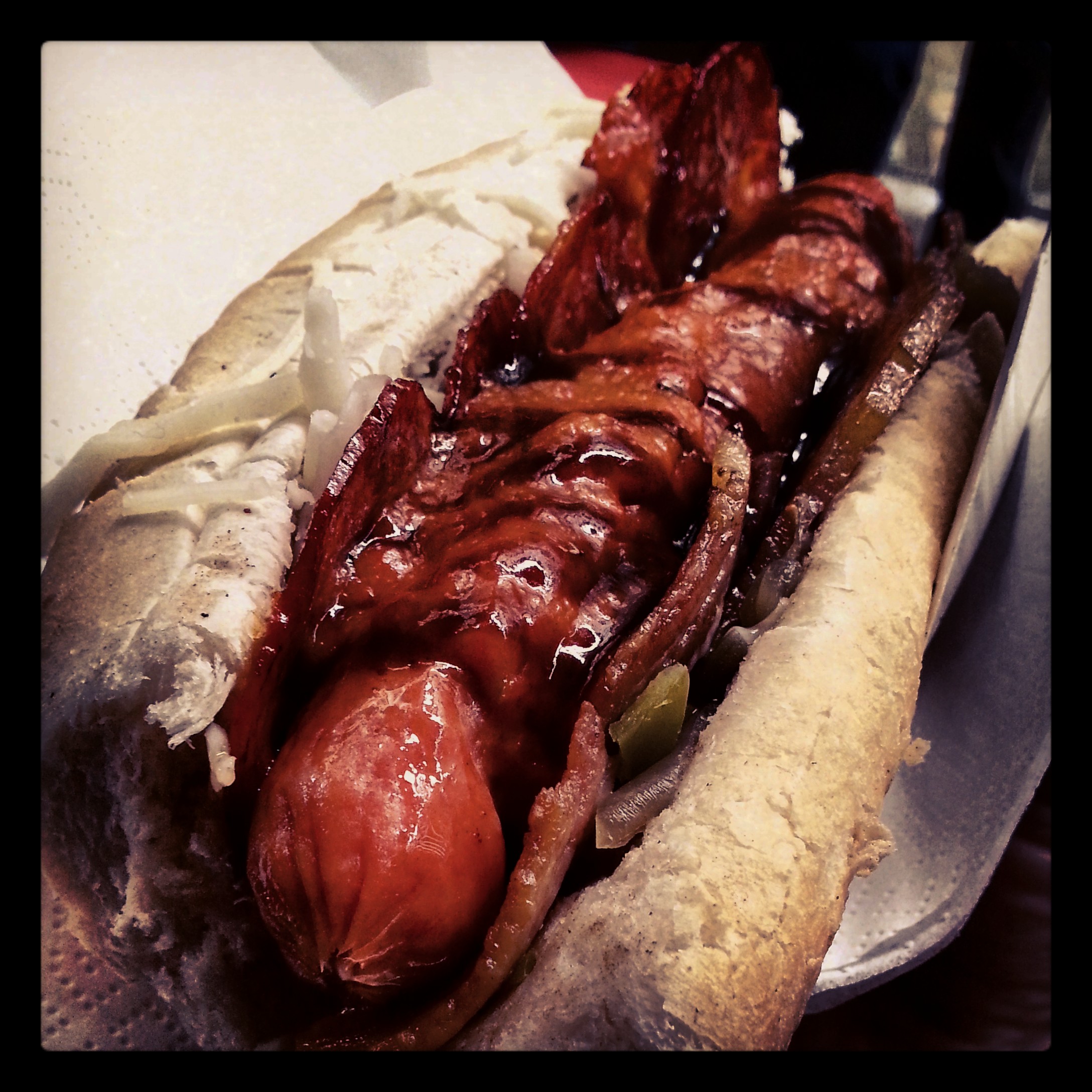
The beer itself was just as fantastic as I remembered: at once creamy, sharp, zesty, floral, clean, smooth and sweet. But what food to pair it with? I had the Boss Hog from Dogfather Diner, which was quite frankly the best hot dog I have ever eaten. A beef frankfurter with chorizo, jalapeños, cheese, streaky bacon, marinara sauce… There are probably other things too, but I couldn’t look at the thing any longer without eating it. As a pairing, the USA Hells was excellent at stepping in to clean my palate and wipe away any heat or salt, so each delicious mouthful of the Boss Hog was as amazing as the first.

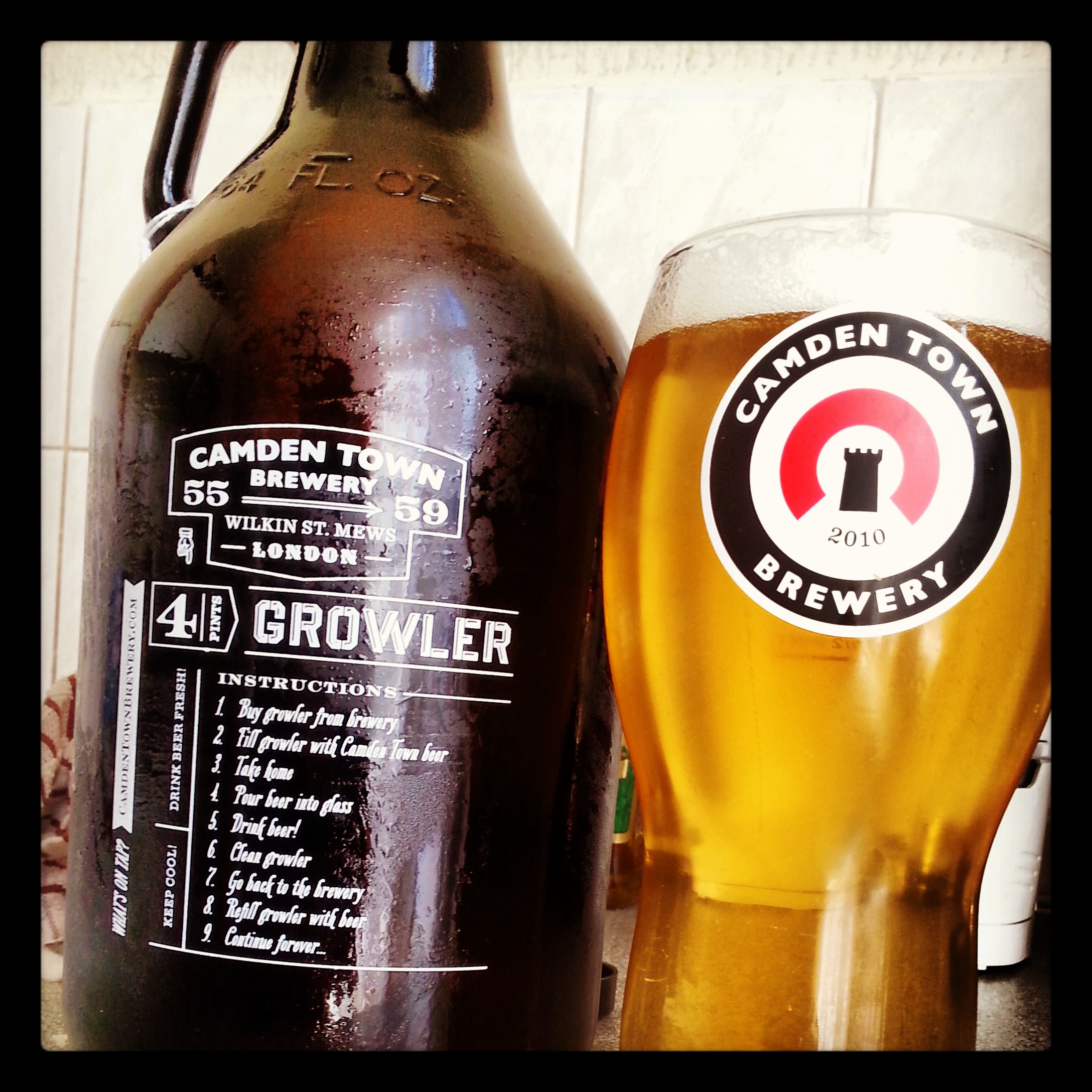
My advice to anyone in London is to get to the brewery sharpish to taste the draught and buy some bottles to save for a sunny day. Better still, you can now buy 2-pint and 4-pint “growlers” (I prefer Gentleman’s Beer Conveyance). The large ‘Senior’ model is £5 and a 4 pint fill costs £10. At that kind of price, you’d be a fool not to go back every week!

USA Hells is back. Long live the king.

IMG_20130414_152528

One Hell of A Hammer

2012-04-29 15.52.57

Cold. Eyes scrunched into the wind, fists punched into pockets, jaw clenched into face, walking at a forward-slash angle, mouth sneered in defiance. Cold.

There are those that were prepared. Soviet greatcoats, gloves like chinchillas, hats stolen from Buckingham Palace guardsmen, boots like tanks. Then, the Unready: flimsy suit jackets with lapels upturned, scarves wrapped forlornly around heads, trousers flapping around legs like sails.

‘There’s only one thing for it,’ each of these people realise in crystal-like moments of clarity.

Hot. Barely-absorbed suntan lotion running down your face in rivers of sweat. The lenses of your sunglasses hot enough to cook an egg on. Praying in thanks to your ancestors and whoever invented flexi-time. Lighting the signal fires of supermarket briquettes. Pulling out Those Shorts and That Shirt from the wardrobe. Hot.

‘There’s only one thing for it,’ each of these people realise in crystal-like moments of clarity.

Despair. The failed interview, the lost job, the lost friend, the failed relationship. Slaps on the back, squeezes of the shoulder, hugs, encouraging smiles, muttered curses and small words. ‘There’s only one thing for it…’

Elation. Jubilant, exuberant, exalting, life-affirming joy. The nailed interview, the new job, the big win, the big three-oh, the perfect day, The One. Fist pumping, jumping, happy swear words and ear-to-ear grins. ‘There’s only one thing for it…’

Nothing on telly.

That new place.

Heard they have new beers.

Film doesn’t start for an hour.

Long wait before next train.

When all you have is a hammer, all your problems look like nails, so the old saying goes.

But it’s one hell of a hammer.

Down Escalator

HURRAY!

What was once thought nigh on impossible has finally come true. The beer duty escalator, established by Labour Chancellor Alastair Darling to increase the duty on beer two per cent above inflation every year, will be scrapped. This is largely thanks to tireless campaigning from across the beer industry, from bodies like CAMRA, brewers, MPs and trade bodies like the British Beer and Pub Association. The Government has finally recognised that the escalator was doing more harm than good, and it will shortly be taken out behind the Treasury and shot until it is dead.

Most would agree that a battle has been won, but not the war. Already, the success of the campaign to scrap the escalator has prompted calls for reductions to VAT for pubs, people are starting the see the merit of consumer, trade and political bodies working together to achieve common goals, but before we get ahead of ourselves, can we think of anything negative to say? Anybody? Perhaps each of us could have a little dig at someone before we all get too cheerful? I mean, this is an achievement, don’t get me wrong. After all, not only is the beer duty escalator finished, but there will also be a CUT in duty of 1p per pint. Fantastic.

But… erm… oh come on! We haven’t all come this far just to stop whinging, jabbing and moaning at each other. That craft keg vs cask ale argument has been fun, but we need something NEW to get embarrassingly, self-destructively furious about. Here we go. Here it comes…

WHO DESERVES THE CREDIT FOR SCRAPPING THE BEER DUTY ESCALATOR?

Aah. That’s better. I can feel the whining irritation rising, the impotent, pointless fury building. Look, you see, CAMRA deserve the credit because they got the petition to over the 100,000 signatures necessary to have the issue debated in Parliament.

YOU WHAT? But, but, Hobgoblin (Marston’s) started the petition in the first place, so THEY deserve the credit.

DON’T BE CRAZY! The British Beer and Pub Association have harangued and campaigned and lobbied against this since before the blasted escalator even came into being! THEY deserve all the credit.

ARE YOU OFF YOUR BLOODY NUT!? The Sun newspaper got the issue truly recognised at a national level and got everyone talking, not all these industry types. It woz the Sun wot won it!

Hang on, though. Some might argue that because of the efforts of all of these people it actually became a reality. Some might say that this is a true, solid, perfect example of how consumer organisations like CAMRA can remain relevant; how politicians will listen if you unite, fight together, and fight hard; how getting the media on our side is how to win; how there is hope for this beleaguered industry yet!

Cor blimey, can you imagine? What nearly happened there was – my word, I can barely comprehend it – what we nearly had there, was a variety of people across the industry almost realising that together, when they each do what they do best, they can tackle the Government and make it think differently and act differently.

Wow.

Thank goodness we’re all back to bitching, frothing and bickering like normal, eh?

For a few hours there, it almost felt like change in the air. Thank heavens we all put a stop to that.

#BrooklynFeast


2013-03-12 18.25.51

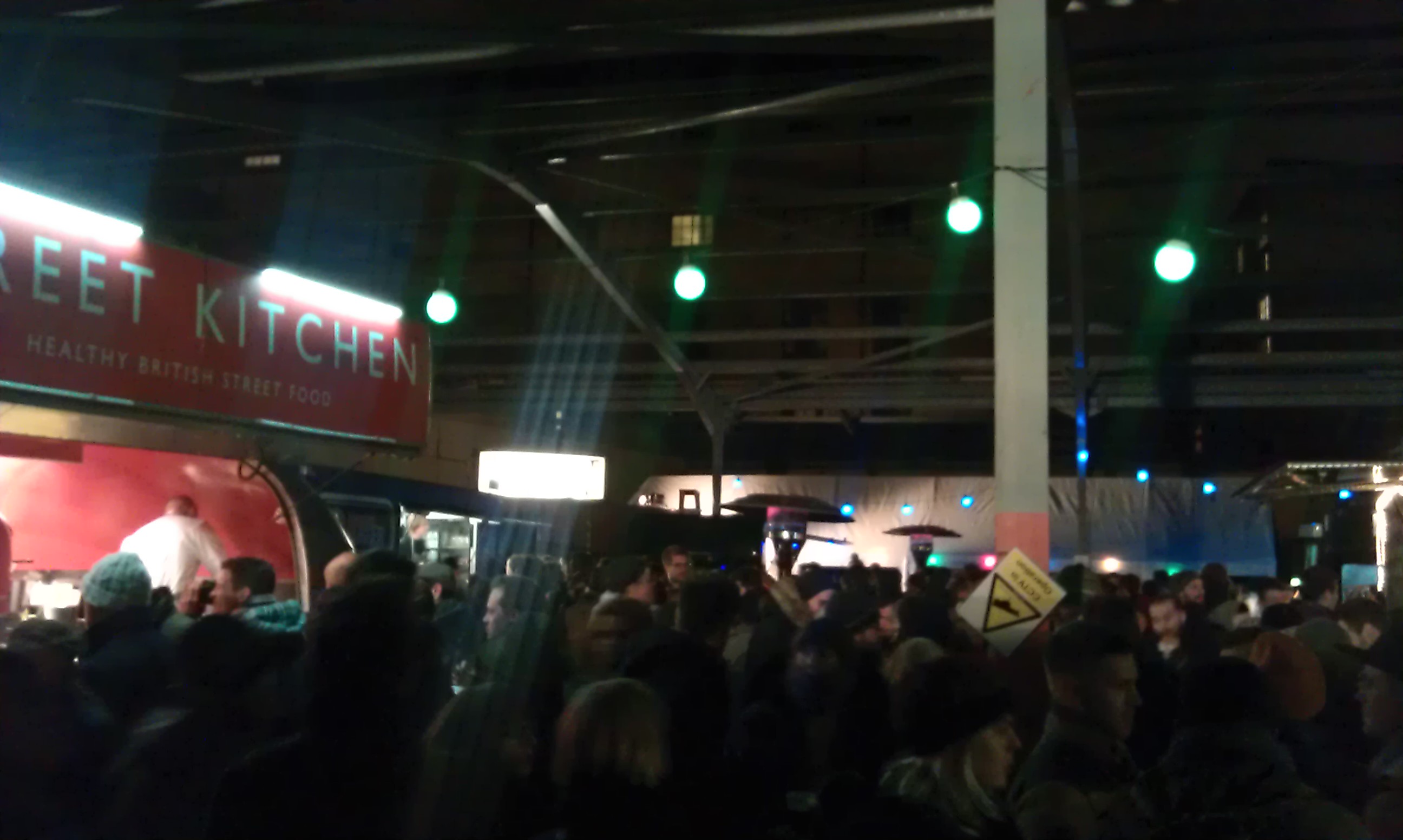
Who could have predicted this week’s Winter 2.0? Some know-it-all meteorologist no doubt, but us common folk have been left with our gobs smacked and our flabbers gasted. The worryingly chilly weather was the unfortunate setting for Tuesday evening’s #BrooklynFeast, an event heralding the return of Street Feast London, whose events were hugely popular last summer.

#BrooklynFeast was organised by Brooklyn Brewery and beer importers James Clay, bringing together the brewery’s beers and the capital’s burgeoning street food scene in a perfect hipster storm of Instagrammable wonderment. Top street food vendors including Bowler, Big Apple Hot Dogs, Rainbo and Bleecker St Burgers set up in a car park off Dalston Lane, which was transformed into an ersatz street of trendy gluttony.

2013-03-12 19.33.36

The bar at #BrooklynFeast (don’t worry, I’ll stop hashtagging it now) was stocked with eight of Brooklyn’s beers, each matched to a dish from one of the food vendors. The pairing menu below, featuring rarer brews such as Blast!, Pennant ’55 and the ominous There Will Be Black, was varied, well thought out and extremely appetising.

Below are a couple of the food and beer pairings that I tried:

There Will Be Black and Smokey BBQ Wings from Street Kitchen

2013-03-12 18.53.04

These wings had a thick, crunchy batter and were dripping in a decadently thick BBQ sauce that was so delicious it could have easily started its own religion overnight. Like all great wings, just as you bit into one, the meat fell away and you were left holding a bone in your greasy fingers, grinning like a fool.

There Will Be Black is a 7.5% Black IPA (or Imperial Black Ale or Hoppy Stout…) that marries the rich, luxuriant body of the brewery’s seminal Black Chocolate Stout with a ferocious hop cannonade of Williamette, Pacific Gem and Motueka hops. It is an outstanding beer, rich yet with a silky body and palate-tingling hop finish. It supercharged the BBQ sauce on the wings, making everything sweeter, stronger and thicker, before scouring your palate clean with hops so you can do it all over again. A really exciting food and beer pairing.

Brooklyn Pennant ’55 Ale and Big Apple Hot Dogs’ “Dog of Phwoar”

2013-03-12 19.56.53

Big Apple Hot Dogs were a big hit on the night, and had an enormous queue late into the evening. This is with good reason: these are the best hot dogs I’ve ever tasted. Forget slimy, slippery pig product tubes, these are the real deal. Gourmet, genuine frankfurters of pork, beef or pork-beef-blend. The excellently named Dog of Phwoar is a limited edition, spicy beef concoction that is best described as being like chorizo, but beef.

Brooklyn’s ’55 Pennant Ale, named after the ’55 New York Dodgers world championship-winning team, is an English-style pale ale with New World hoppy muscles. It’s a great all-rounder, offering crystal malt sweetness, dry, lager-like refreshment and fresh, hoppy bite. It met the spicy beef head on, but instead of fighting for dominance, they grabbed each other and danced across my palate. The beer softened the peppery blows of the beef without reducing the flavour, and cleaned the salt from my palate to boot. Not as exciting as the BBQ wings and TWBB, but a much simpler, straightforward match that worked just as well.

2013-03-12 19.11.22

It was an exciting event with a lively crowd and a great atmosphere. I can hardly hold the weather against it, but it did make a big difference to how long people were willing to sit or stand outside, heaters or not. My only other complaint would be the number of people. The event encouraged people to try out smaller amounts of different foods and beers and keep coming back for more. This is a great idea, but the event had slightly too many people for it work smoothly. If they had set a slightly lower capacity, or had two sessions (one in the afternoon for trade, for example), the queues would have been shorter and people would have been more inclined to stay longer and try more of what was on offer.

That said, it was a great combination of food and beer in a friendly environment, and hopefully Street Feast will organise more events like this with local London brewers. Their ‘takeover’ at Camden Town Brewery last year was a fantastic collaboration, and Brooklyn Feast did an excellent job of bringing food and beer matching to the people in a cool, accessible format. More of this sort of thing, I say.

The Craft Knight Rises

Craft Beer Rising at the Old Truman Brewery – a sign of things to come?

The modern British beer landscape is rich, exciting and diverse. Traditional CAMRA-organised events, with rows of tilted casks and hi-vis-jacketed stewards are no longer the norm. We now have a variety of species of beer festivals. There are those put on by individual pubs (like last year’s CAMRGB takeover at The Lamb on Holloway Road), where a special selection of beers are brought in for a weekend. There are painfully trendy, street food-oriented outdoor events, like this week’s #BrooklynFeast in Dalston (where else?), which are pre-hashtagged for your social media convenience. There are also events that try to do a little bit of everything.

Just a couple of weeks earlier, Craft Beer Rising took the beer blogosphere by storm and established itself as the new must-visit event of the British beer calendar. It couldn’t have been more different to the London Drinker Beer and Cider Festival, or the Great British Beer Festival (GBBF), CAMRA’s yearly beer bash. Fewer beers may have been on offer, but there was a wider variety. Cask, keg and bottled beers were present from breweries all over the UK and the world. The trend for street food was both acknowledged and catered for. Real ale, craft keg and much more were all included as part of the same experience, and the crowd was just as varied, in both age and gender.

I wrote about Craft Beer Rising recently in Rum & Reviews, and I must admit I got rather excited about how it represented what I thought beer festivals should be all about. Before I went to the London Drinker event, I thought to myself, ‘Ha! Let’s this how this measures up!’ thinking that it would seem pale in comparison to Craft Beer Rising.

2013-03-07 17.19.35
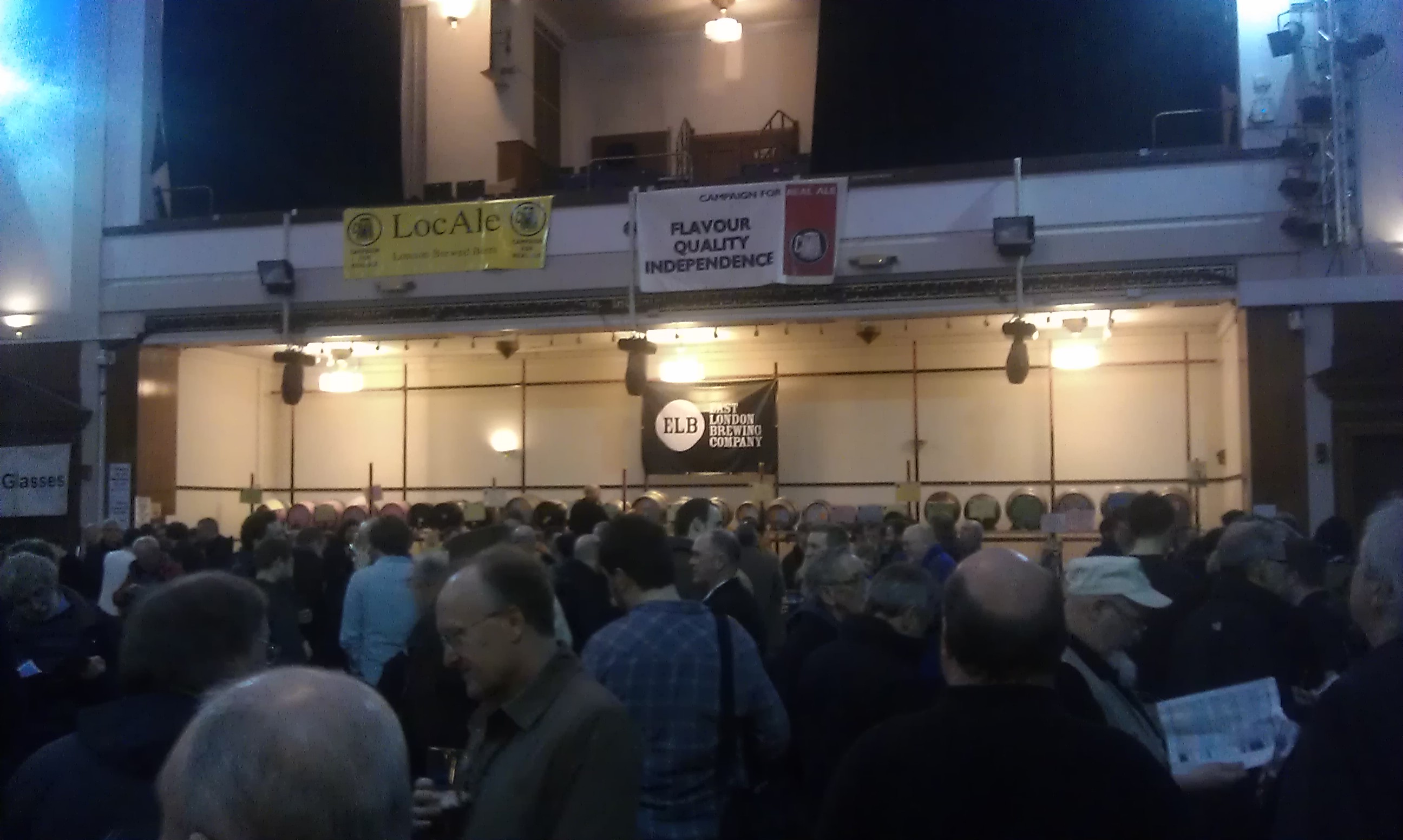
The CAMRA London Drinker Beer & Cider Festival. Proof that traditional beer festivals are still popular.

However, north London’s CAMRA beer festival is still going strong. The London Drinker event last week, in its regular home of the Camden Centre near Kings Cross, still had a big draw. Beer bloggers, beer tickers, old timers, young whippersnappers and brewers great and small made up a large portion of those attending. This was a CAMRA event though, and while women were more than welcome, many did not seem to feel welcome enough to actually attend.

The beer was served to much higher standard than I remembered, though the London bar seemed to have the lion’s share of the best beers. The main bar seemed to be 70% golden ale, and didn’t have nearly as many people drinking at it with ‘bloody hell that’s good’ faces. Unfortunately, the food offering was pretty basic, and shared space with the foreign beer bar. Some real treats were hidden away here though, particularly the mini-casks of Schlenkerla Marzen (liquid smoked bacon) and other German beers.

It wasn’t as much fun as Craft Beer Rising, but I can’t say that CBR was better either, as much as I would like to. These are two completely different events, and I expect #BrooklynFeast on Tuesday to be just as different again. I would be wrong to rank the UK’s beer festivals by how ‘good’ they are. Beer festivals are very subjective, individual experiences that appeal to tastes and personal preferences. The Celtic Beer Festival is completely different to GBBF, just as Wandsworth Beer Festival is to London Drinker, and just as the BrewDog AGM is to Craft Beer Rising. If CBR seems to be the better event, it might be because it adopts positive features from each of the above, and tries to do a bit of everything, and does it well. If this is a trend is on the rise (sorry), then I welcome it. We all get the beer festivals we deserve.

The fact is that each of these events is just as important. Each of them demonstrate the thrilling diversity of the British beer landscape, and we should recognise that each and every one is something to be proud of.

No Future – is beer innovation a myth?

The recent Beer Innovation summit received a very mixed reaction from the beer blogging community. At best, it was a valiant effort to establish some joined-up thinking and show appreciation of technological advances. At worst, it was a heavily blinkered back-patting exercise as everyone present congratulated themselves for being such good eggs.

Dave Bailey helped stir up debate on this issue, in an attempt to answer the following: what exactly is innovation in the brewing industry? Is it better quality cans to improve freshness and taste? Is it someone using Brettanomyces yeast and chili and ginger and mystical moonberries in an Imperial Black Saison? Is it creating a product designed to attract new drinkers to beer, which in the process alienates the faithful?

As far as I can tell, the debate simply created more and more questions, so many in fact that I can’t be sure that innovation in beer exists at all. Yes, technological advances can be innovative, but aren’t they simply industrial advances that improve the means of production, not the product? New beers are often old styles mashed together, or ingredients used differently to create the same thing. Where’s the ‘new’?

If I sound disillusioned, it’s because I am. If we are in a beer renaissance, where are our Da Vincis? I’m so, so grateful for all the excellent beer I drink, but is it really the cutting edge? My biggest fear is that someone is about to bring back mead, and that we’re all going to act like it’s a new and exciting thing.

The future. Actually, this would be pretty cool. Unethical, but cool.

I was recently at an excellent beer tasting session at Wilton’s Music Hall, presented by Adnams‘ head brewer Fergus Fitzgerald. Fergus made a unusually frank comparison at the very beginning: like wine, brewers seek to make a liquid from fermented sugars. The key words here, ‘like wine’. are rarely spoken by brewers, either because they cannot confidently compare their beers with wines, or because they see their beers as superior to wine, for one or several of many valid reasons. Fergus wasn’t trying to dredge up the old argument of beer vs wine in food terms. He was simply making a very valid and important point: think of the craft of wine-making in the same way as brewing. With this precedent firmly established, those gathered in the upstairs bar at Wilton’s were expertly guided through the core range of Adnams’ beers, and were generously introduced to a handful of oddities and one-offs, each stronger than the last (one of which, a Belgian yeast-driven Double IPA, was actually called Innovation).

This made me think that the ‘innovation’ we seek in beer should in fact be an innovation in thinking. The biggest change that will have the biggest effect on the brewing industry is changing the way it is perceived. Example: canned beer. Instead of making better cans, far more canned beer would be sold by changing the way we think about it. “Good beer in a can is good beer,” Fergus pointed out. “Crap cans of beer have crap beer in them.”

I think, like BrewDog say in their hopaganda, that the beer industry in the UK is sick. However, I think it’s a sickness that has symptoms undetectable to the subjects infected with it. We all think that the beer industry needs new, exciting things, but what we really need is new, exciting thinking. If you have the faintest idea what I mean (I barely do), please let me know in the comments.

Craft By Design

The Beer House in Waterloo station.

A guy walks up to me and asks ‘What’s Punk?’. So I kick over a garbage can and say ‘That’s punk!’. So he kicks over the garbage can and says ‘That’s Punk?’, and I say ‘No that’s trendy! – Billie Joe Armstrong

A clumsy comparison, you’re already thinking, but bear with me. Whatever ‘craft’ beer is, it is generally agreed that whilst it’s hard to define, you know it when you see it. The same applies to modern ‘craft’ beer bars and pubs. They can be very traditional looking, like the Southampton Arms. They can be bare-brick-and-granite hipster magnets like BrewDog Camden. Whatever the decor or the theme might be, you know it when you see it. Admittedly, this is normally because there are 40 taps crammed onto the bar, but the point stands.

There’s an increasing number high-end beer venues in the UK, especially in London. They stand apart from well-established real ale havens that have ten or more ales on, even though they might share the same patrons. They are identifiably ‘a thing’ as popular vernacular would term it (‘Oh, is this a thing now?’ ‘Yes, definitely a thing’). So we have not only a boom in specialist beer, but also in specialist beer outlets.

As Boak and Bailey recently blogged, there are a number of signs when a boom is about to peak, and ultimately, decline. The most damning and certain sign is when the niche thing in question is adopted whole-heartedly, and replicated perfectly, by larger, wealthier, mainstream competitors. Have we already reached that point with craft beer? Definitely. It’s been happening in the USA for years, as the recent ‘Craft vs Crafty’ debate has proven. Even in the UK, bigger brewers are starting to place value in ale brands that only a few years ago were seen as dead weight. So what about the outlets – the places where we all drink and experience this wonderful beer?

Will mainstream pub companies attempt to replicate the success of BrewDog’s bars?

I recently found myself with half an hour to kill in Waterloo station, and happened across the promising-sounding Beer House, which also has branches in Charing Cross and Paddington. After descending a couple of flights of stairs, I found myself in a well-appointed, pubby sort of bar that was quite large but still definitely part of a train station. The wood panelling, leather-cushioned benches, chalkboard beer menus and random spray of manufactured ‘vintage’ art all said ‘modern pub’. The beer selection was spread across several chilled T-bar fonts and four different handpulls. The chilled fonts had a couple of token mainstream lagers, but most were beers like Erdinger Dunkelweisse, BrewDog 5am Saint, and Flying Dog Doggie Style. The food menu boasted deals on classic Americana; hot dogs, burgers etc. alongside pubbier fare. Prices were Train Station x London + Craft, but this was to be expected.

Given all of that, it still had all the necessary ingredients to make a pub that I would like. So what perturbed me about this place? It was the way they were put together: a case of the Uncanny Valley, where advanced robotics creates something disturbing because it is close-to-but-not-quite human, applied to a pub. Here was a venue owned and operated by SSP, Compass, or one of the other catering companies that run the franchises in train stations, but created to mimic our modern idea of a high-end beer venue. There was a palpable synthetic quality to everything, not helped by the fact it was in a generic, train station unit. The deliberate way in which ‘fun’ was injected into the chalkboard writing, the barmaid’s look of confusion when I asked for one of the heavily-advertised paddles of tasting thirds, the fact that the staff were clearly from one of those Pumpkin Cafes; these all created little glitches in the Matrix until I found myself questioning everything about it. It’s hard to explain myself without sounding like a weird pedant, but that’s what it was like. That sudden certainty that everything has been deliberately chosen to replicate something you like, that if you punch a hole in the wall you might see a lab of men in white coats ticking boxes of clipboards.

Is this the future? Should I have a problem with it? There wasn’t anything in particular about that place that I disliked, but I worry about the long-term consequences. We are used to paying higher prices for beer that costs more to make, by people that have higher overheads and smaller workforces. If more mainstream chains of craft beer bars spring up, will smaller chains of outlets get priced out of the game? Will brewers that cannot provide the quantities (that born-again bigger brewers  of ‘craft beer’ can) face decline and eventual closure? Am I making too much of this? I certainly hope so.

Fuller’s Griffin Brewery Tour

Fuller's Griffin Brewery
Fuller’s Griffin Brewery

I was kindly invited by Adam Driver at Fuller’s to pay a visit on Monday, and was treated to a full tour of the Griffin Brewery in Chiswick. It was the day before my birthday, and I couldn’t think of a better way to spend it. Despite the efforts of a smattering of frozen water crystals (or ‘SNOW CHAOS’ as it is known on Fleet Street), I made it to Chiswick in good time, and enjoyed a swift half of Jack Frost at the Mawson Arms pub attached to the brewery. Jack Frost is Fuller’s winter seasonal ale, and uses Crystal malt and blackberry essence to deliver a sweet, nourishing warmth. It was just what I needed to warm my bones after a cold journey.

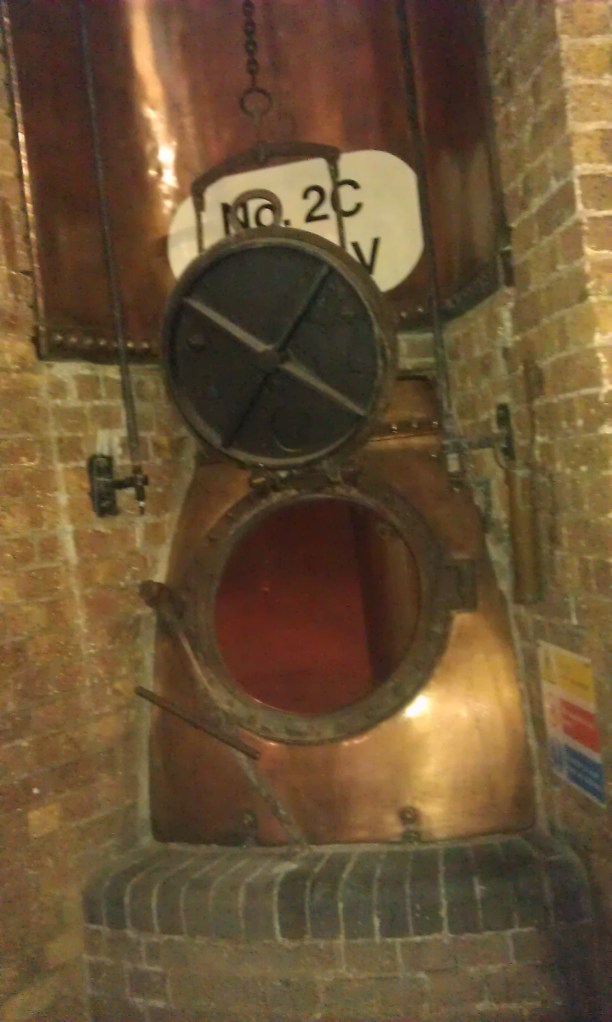
Old equipment is still a (non-functioning) part of the Griffin Brewery.

At 12pm the gathered tour-goers were met by Alison, one of Fuller’s excellent tour guides. In traditional brewery tour style, we were shown the brewing process from start to finish. Other brewery tours I’ve done have been at microbreweries, so it was interesting and different to explore a much larger brewery (over 20 tonnes of malt is used every brew day at Fuller’s, and each of the massive boiling coppers can hold 90,000 pints). Even more interesting was how the brewery has visibly expanded over time. Rather than being a massive, purpose-built facility, the Griffin Brewery is rather like London itself in the way it has filled out, expanded, filled out again and so on. Every available area of space has a mash tun, copper or two fermenting vessels stacked into it. The 31 FVs are layered in an enormous beer-tastic Rubik’s cube formation that you get to walk through and in-between.

60% of Fuller's beers are sold in cask, the remaining 40% in kegs or bottles.
60% of Fuller’s beers are sold in cask, the remaining 40% in kegs or bottles.

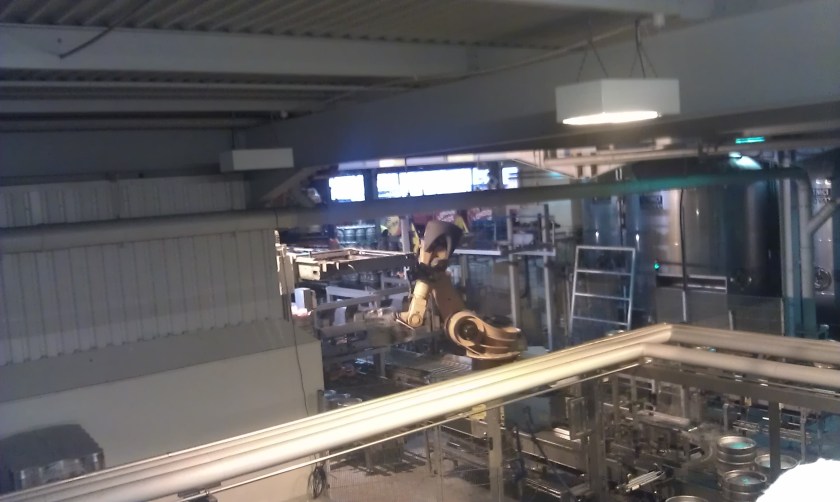
All bottling, kegging and casking of Fuller’s beers is done at the Griffin Brewery, so aside from seeing the equipment used in the actual brewing process, we also got to see the packaging lines. The kegging line in particular was a treat, because there was a massive robotic arm called Les lifting three kegs at a time. Les was apparently a former Chief Engineer. I meant to ask if he actually became Les the robot in some kind of Robocop-style incident but I forgot. Other anthropomorphised pieces of equipment include coppers called Big Brian, Dave and Little Brian.

Local robot Les, hard at work on the kegging line.

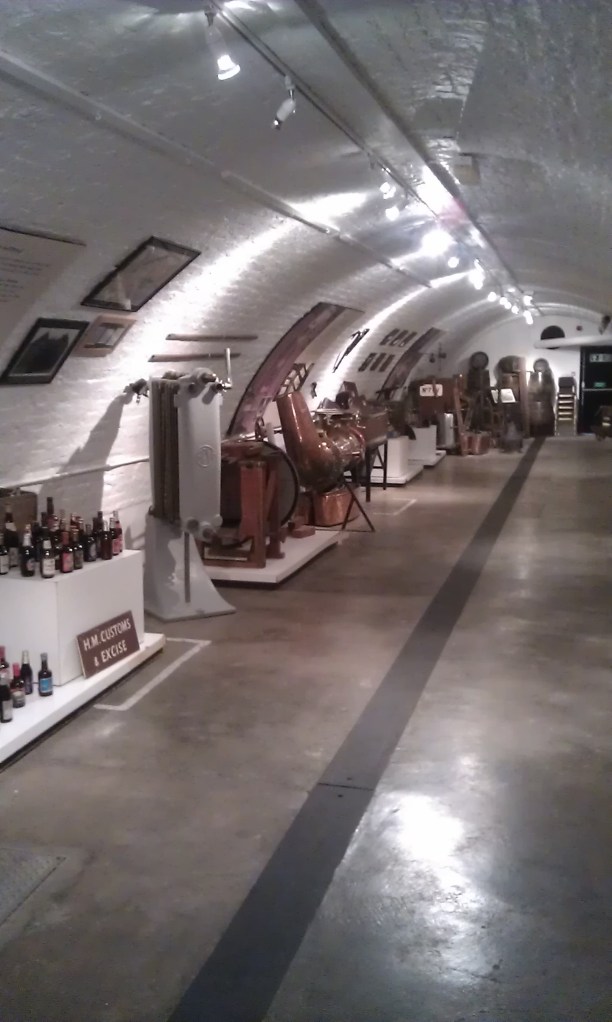
The tour itself lasts a good hour, and is topped off with a visit to the Hock Cellar for a few samples of Fuller’s beers. At the time of my visit, there were also a few beers from Gale’s (who were recently taken over by Fuller’s). I tried London Pride, Chiswick Bitter, Gale’s HSB and Bengal Lancer, and each had that extra special brewery-fresh taste. The Hock Cellar is chock full of brewery and beer-related antiquities, and you can easily spend another half an hour wandering around and pointing at things.

Phwoar etc.
Phwoar etc.

And what trip to a brewery would be complete without a trip to the Brewery Shop? I couldn’t resist a big, bulbous, brandy-snifter-esque Fuller’s Vintage glass, and was kindly gifted bottles of the 2005 Vintage, Past Master’s Double Stout and Past Master’s Burton Extra, which I will review soon for Rum and Reviews.

The Hock Cellar is a treasure trove of brewery artifacts and has its own bar.

A tour of the Fuller’s Griffin Brewery normally costs a very reasonable £10 (or £12 on the day) per person. Fuller’s Fine Ale Club members only pay £8. More details can be found here. Have you done the Fuller’s brewery tour? What did you think? What’s the best brewery tour you have been on, and what makes a good one?