Buy the shares, take the ride – the BrewDog Punk AGM 2013

IMG_20130623_123435

When you invest money, time or effort in something, you expect a return equal to or greater than what you put in. A major criticism of BrewDog’s Equity for Punks shareholder scheme has been that it is not a traditional model where dividends are distributed and shares traded. Some say that BrewDog are taking advantage of their fans’ passion and excitement and taxing them for it. Others might say that what BrewDog do best is bottle the excitement of the people who are passionate about their beer, and use that excitement to create even more of it. Where you stand on this issue depends on how feel about BrewDog as a company, not just a brewer. Their yearly Punk AGMs are becoming an excellent gauge by which to measure not only their success, but their attitude.

Last year’s Punk AGM held at the Aberdeen Exhibition and Conference Centre (AECC) was a riotous, beer-soaked but ultimately flawed event. Where some things, like the beer, music and people, were absolutely spot-on, there were unacceptable organisational errors that threatened to mar the whole experience. This year, attendees from last year’s event would be examining everything closely. The same mistakes would not be tolerated.
IMG_20130622_200853

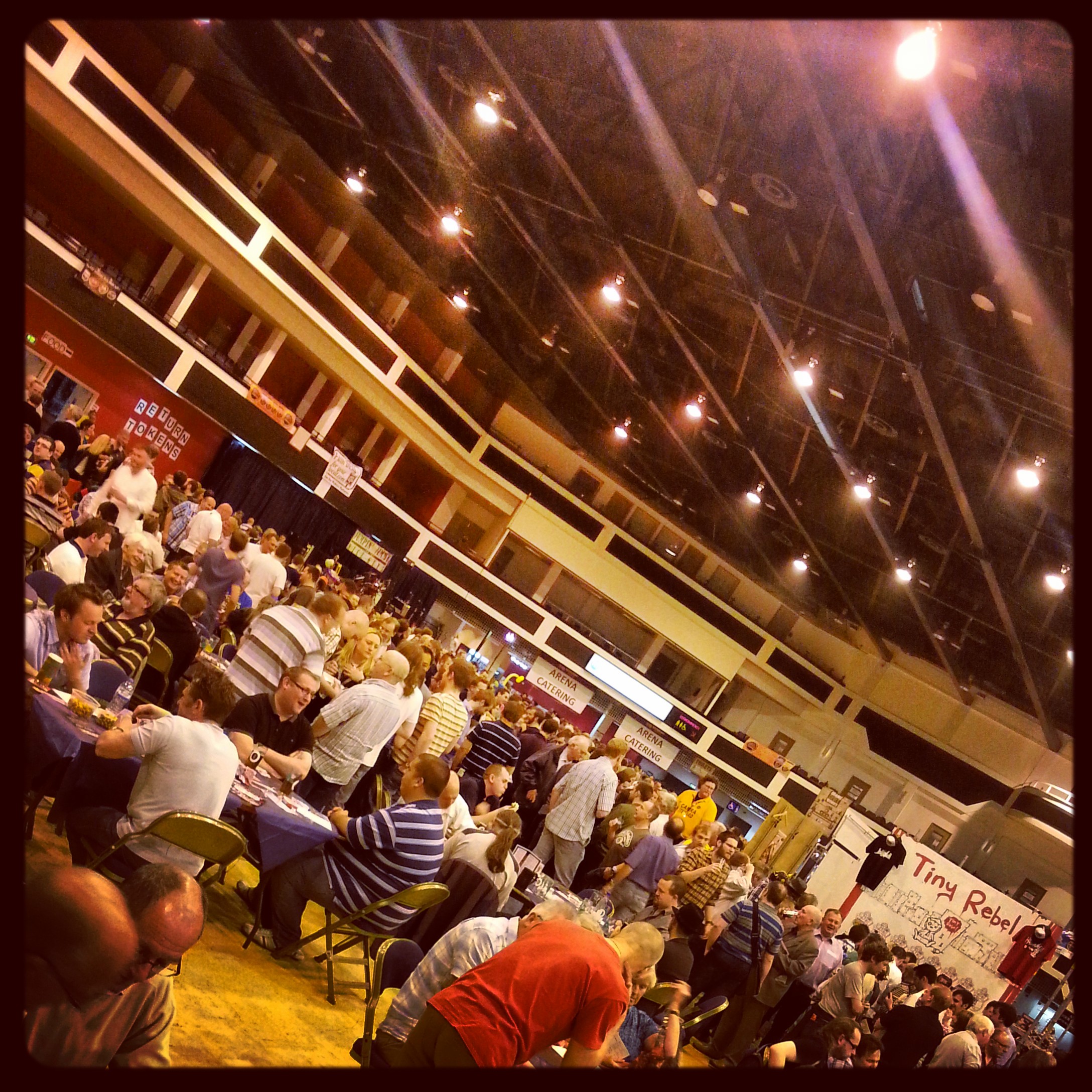
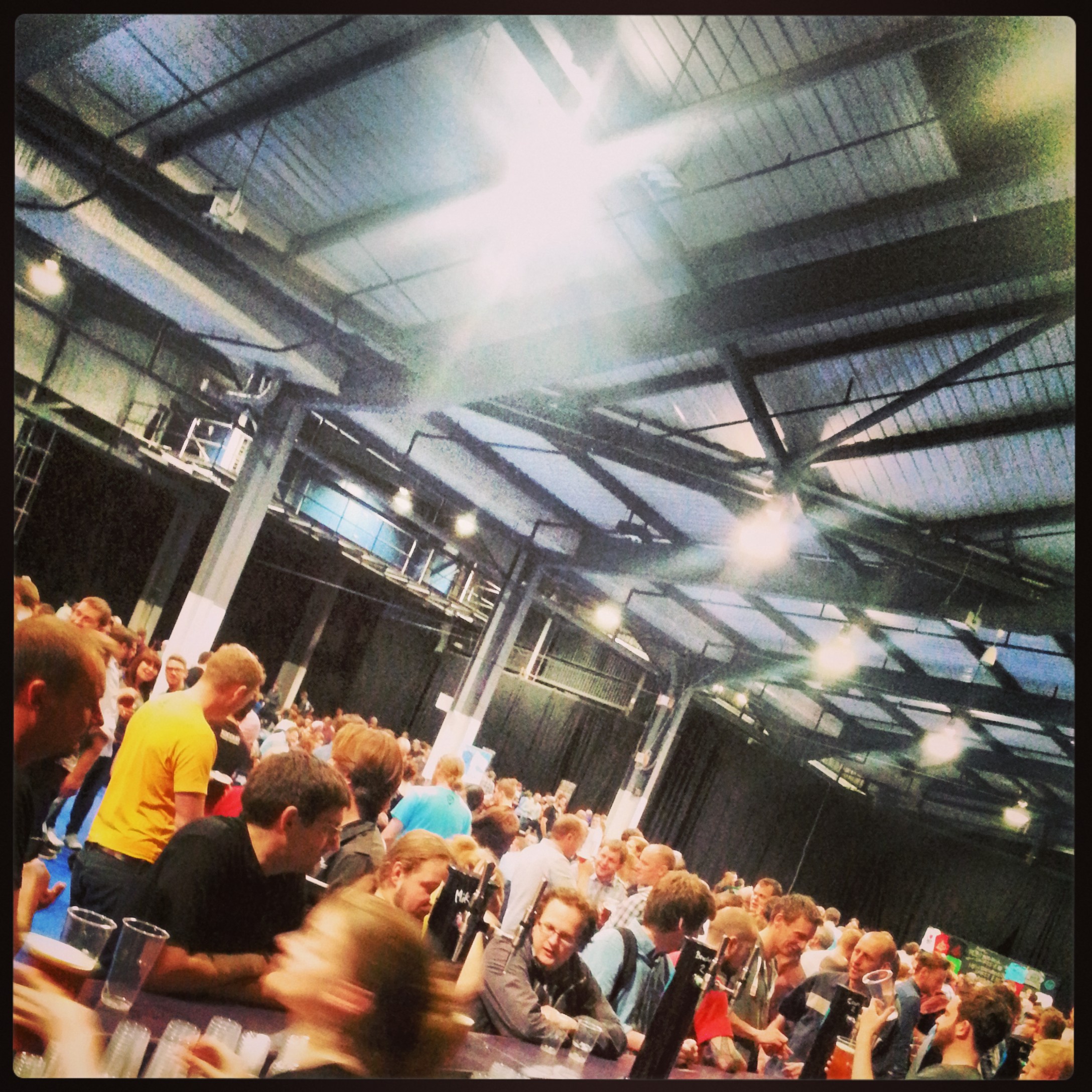
Thankfully, this year’s Punk AGM was undoubtedly a marked improvement in every way. A larger space was used, allowing for a more visible divide in the event’s juxtaposition of beer festival and music festival. A large seated area with a bigger stage was in use in addition to the space used in the AECC last year, and there more tables and chairs in general, allowing for a slightly more relaxed pace early on. A key improvement was the AGM shop. Last year, it brought out the worst in everyone. Poorly managed, understaffed, and no queueing system at all. Imagine the worst nightclub bar you’ve ever queued at. Seven deep at the bar, a handful of staff, and everyone with a long order to place. This year, it was a remarkably well-organised and simple affair. An actual roped-off queuing area, a division of counters to order merchandise and beer from (but only needing to queue once for both), and more staff made the experience a breeze.

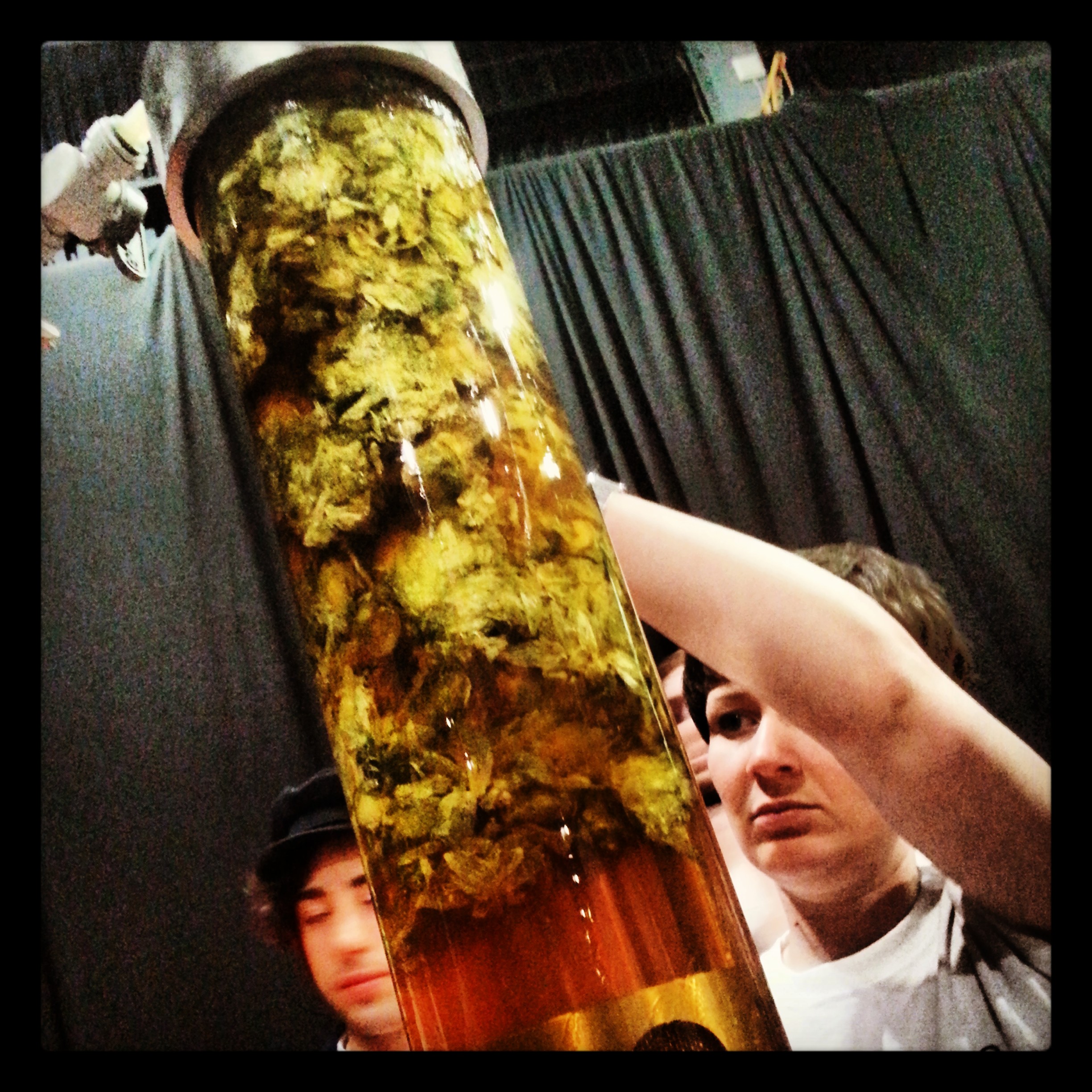
The bars were also well-staffed and featured a frequently-changing menu of beers from BrewDog, Anchor, Brodies and Mikkeller. Anchor was woefully underepresented here, but the selection from the other breweries was impressive and varied. The palpable excitement that crackled around the venue as a new beer came on made for a great atmosphere. Stand-out beers included Mikkeller’s Green Gold IPA, Brodies Romanov Empress Stout, and a true innovation: BrewDog’s Hopinator. The Hopinator is effectively a way of infusing an extra dose of hops (or coffee, or cocoa beans, spices etc) on the bar itself at the point of serve. The IPA is Dead Goldings single hop IPA was ‘hopinated’ at dispense with Chinook, and later with Amarillo, both combinations creating sensationally aromatic and delicious IPAs out of the somewhat awkward and unbalanced original beer. Alice Porter also went through it, and at the Aberdeen bar the next day, Cocoa Psycho was put through a Hopinator loaded with Sumatran Coffee. It was incredible. Look out for a Hopinator in your local BrewDog bar soon.
IMG_20130624_133416

Another big improvement was engagement with shareholders, from people in BrewDog and other breweries too. Two brewers from Mikkeller attended, and hung out at the bar chatting to anyone who wanted to talk hops. Brewers from BrewDog were naturally also present (in penguin and alligator costumes as I recall), as well as James Watt and Martin Dickie themselves. Martin in particular made a special effort to talk to as many people as he could, and you could see how excited people were to talk with him.

But what about the business? Wasn’t this some kind of AGM? Business was discussed, as you might expect, alongside videos of exploding mainstream lagers, dogs, fireworks and other such things. There were live tastings of the marvellous crowd-sourced recipe beer #Mashtag, an unfiltered version of Fake Lager, and the new IPA-spirit hybrid Watt Dickie. Meanwhile, we were given a sneak peek at Brew Dogs, the TV series James and Martin are making. If  it comes to these shores (it’s currently being made for the Esquire channel in the US), expect a sort of Top Gear (Top Beer?) style programme but with devil-horns hand signs and pornographic close-ups of hops. It will infuriate some, but enthrall others. I say it can only help to raise the profile of good beer and the people who make it.

The company as whole is still growing at a prodigious rate – and is now the fastest growing food and drink company in the UK. More bars are planned in Liverpool, Dundee and the US, and plans are already underway to expand the new brewery (more on that later). The was a recap of events good and bad in the past year, including the infamous Diageo award-fixing shenanigans (which might be the best thing to have happened to BrewDog). There are plans for off-sales bottle shops (Bottle Dog), starting in London, as well as a renewed effort to get the Hackney Brewing Academy underway. The Academy could well be the best thing BrewDog do, as it plays to their strengths: communication, education and enthusiasm.

IMG_20130622_224202

The evening’s local bands all had a similar, indie-rock vibe. The excellent Fatherson, who played last year, were the pick of the bunch. The other groups failed to generate the same full-on, festival atmosphere that the likes of Kassidy and BombSKAre achieved last year. Another improvement was the food selection. Instead of one ropey burger truck, a proper catering section was set up, with a variety of curries, pulled pork, burgers, and other hearty foods were served up, each of them a great combination with the powerfully-flavoured beers on tap. It was a fantastic day and night of beer, food and music, made all the better by shrewd organisational improvements.

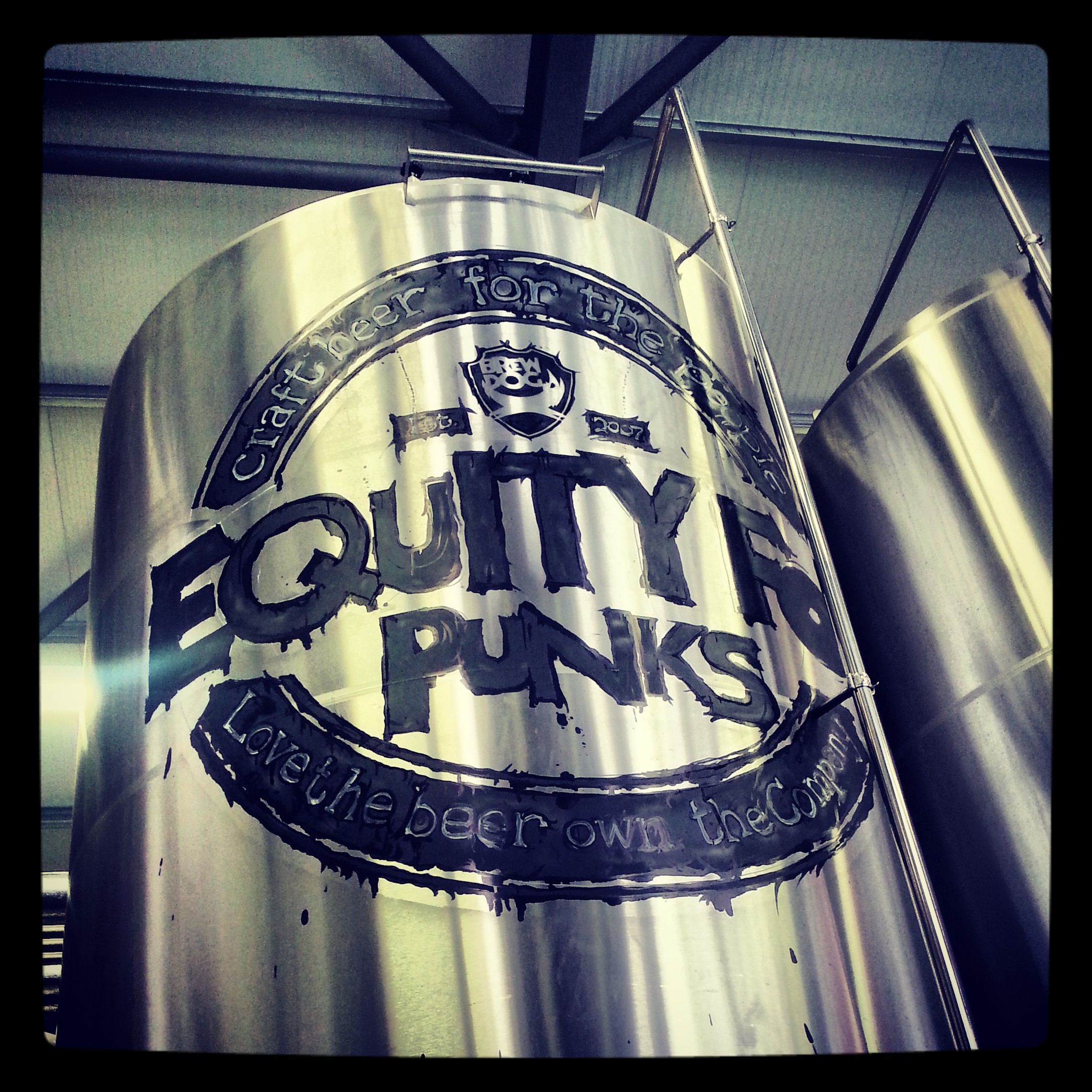
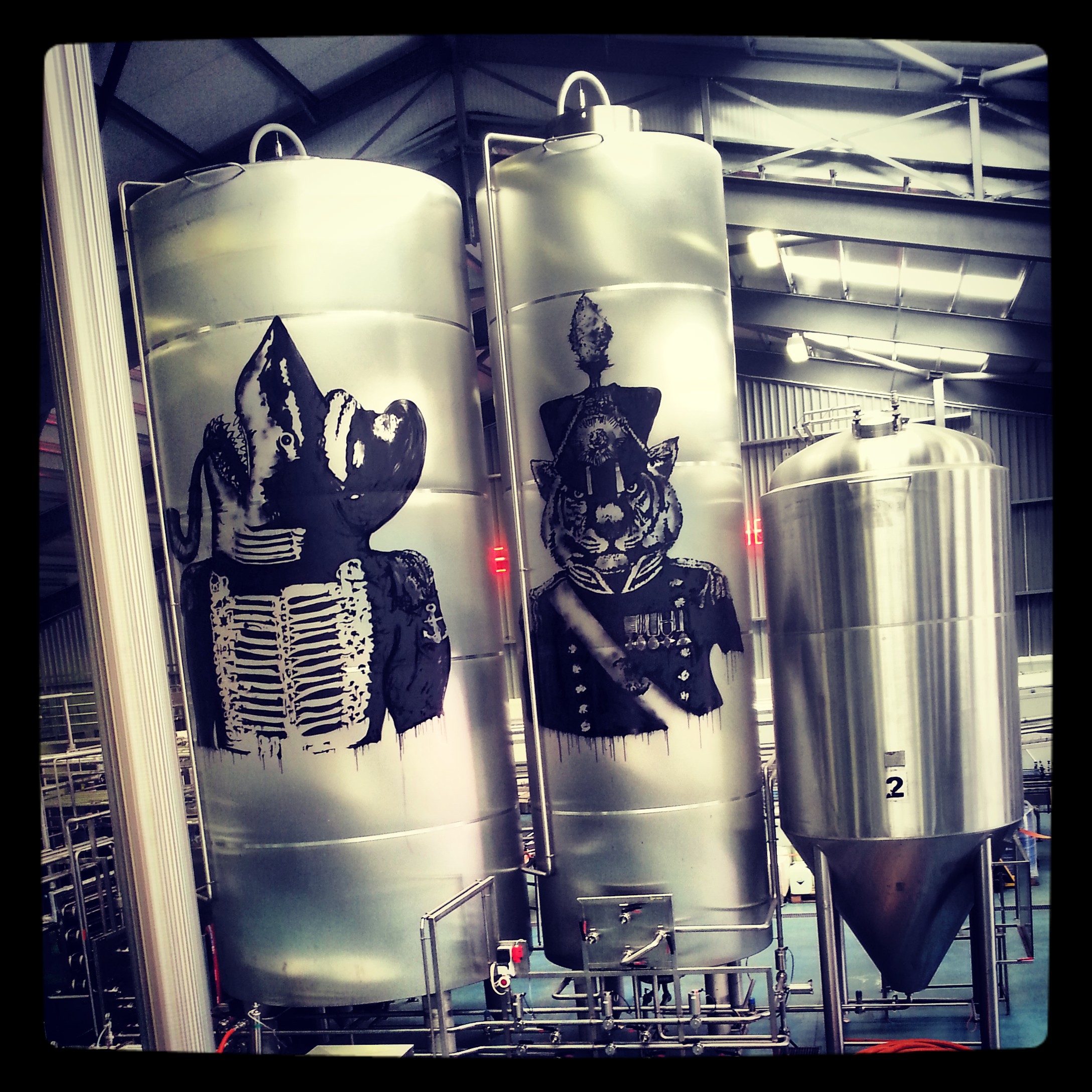
The next day, shareholders and their guests were invited to the new brewery in Ellon. It’s a place that is so firmly ingrained in my mind from photos posted online that actually being there felt a little unreal. It’s a really exciting place, glittering with Instagrammable steel and graffiti, and full of people smiling and high-fiving each other. Like other aspects of the company, that sentence may have brought you out in hives. For others, myself included, it was a fantastic place that really gives you faith in the people that work at BrewDog.
IMG_20130623_121747

The tour group I was in was taken around the brewery by head brewer Stewart Bowman. Stewart, who looks like he has just stepped out of Skyrim, is a lovely, affable, friendly chap. His knowledge and enthusiasm is a real credit to the company, and if he wasn’t so busy making all that fantastic beer, he would be fantastic in a more public-facing role. We were taken through every stage of the brewing process, and were gleefully shown each part of the new brewhouse and every shiny new piece of kit. The key message was how the brewers are now able to do so much more with the new equipment, and most importantly, how much better they can make every pint of beer they make. Faults and inconsistencies with brews were openly acknowledged, and we would then be shown something that had been put in place to resolve it. More than anything, head brewer Stewart seemed, genuinely, visibly chuffed to be able to work in that brewery. He said at the end of the tour how grateful he was to the shareholders for giving him the opportunity to make more beer, and better beer, every working day.

From time to time, BrewDog make missteps with their marketing and the language they use. Sometimes, the repetitive messages lose their tongue-in-cheekness and come across as pretentious, or condescending. But James, Martin, and other people in the company occasionally say things in passing that should really be the brewery’s main message. “Investing your money in making beer better” for example, needs to slapped onto the front of every shares prospectus. This year’s AGM really brought that message home. It was good enough to see that they had learned from their mistakes last year, but to hear those words, meet these people, and be given the AGM that every shareholder thoroughly deserved, filled me with pride.

Buy the shares, take the ride. An investment in BrewDog isn’t just financial. It’s buying into a culture, an attitude, and a hope that beer can be incredible and bring out the best in people.

IMG_20130623_125953

‘Great Yorkshire Beer’ by Leigh Linley

IMG_20130618_213148

Great Yorkshire Beer

Leigh Linley

Great Northern Books

pp 192 (hardcover)

As one of the blogosphere’s foremost beer and food champions, Leigh Linley’s debut book has been long overdue. Though he could have easily written one book about beer and another about food, we can be grateful that both passions share space happily in Great Yorkshire Beer. Having said that, after ‘Beer’, the second biggest word on the cover is ‘Yorkshire’, and it’s the county itself that’s the real star of this personal, heartfelt and stomach-rumble-inducing book about fantastic beer and food.

Leigh set out to write a book that didn’t currently exist – a guide to great beer in Yorkshire – and in the end has written something even better. From friendly and fascinating interviews with some of the most exciting and respected brewers in Yorkshire, to tantalising and temptingly accessible recipes for delicious-looking food, to lip-lickingly evocative tasting notes for fantastic beers, this is a treasure trove of information that you will want to return to again and again.

IMG_20130618_213831

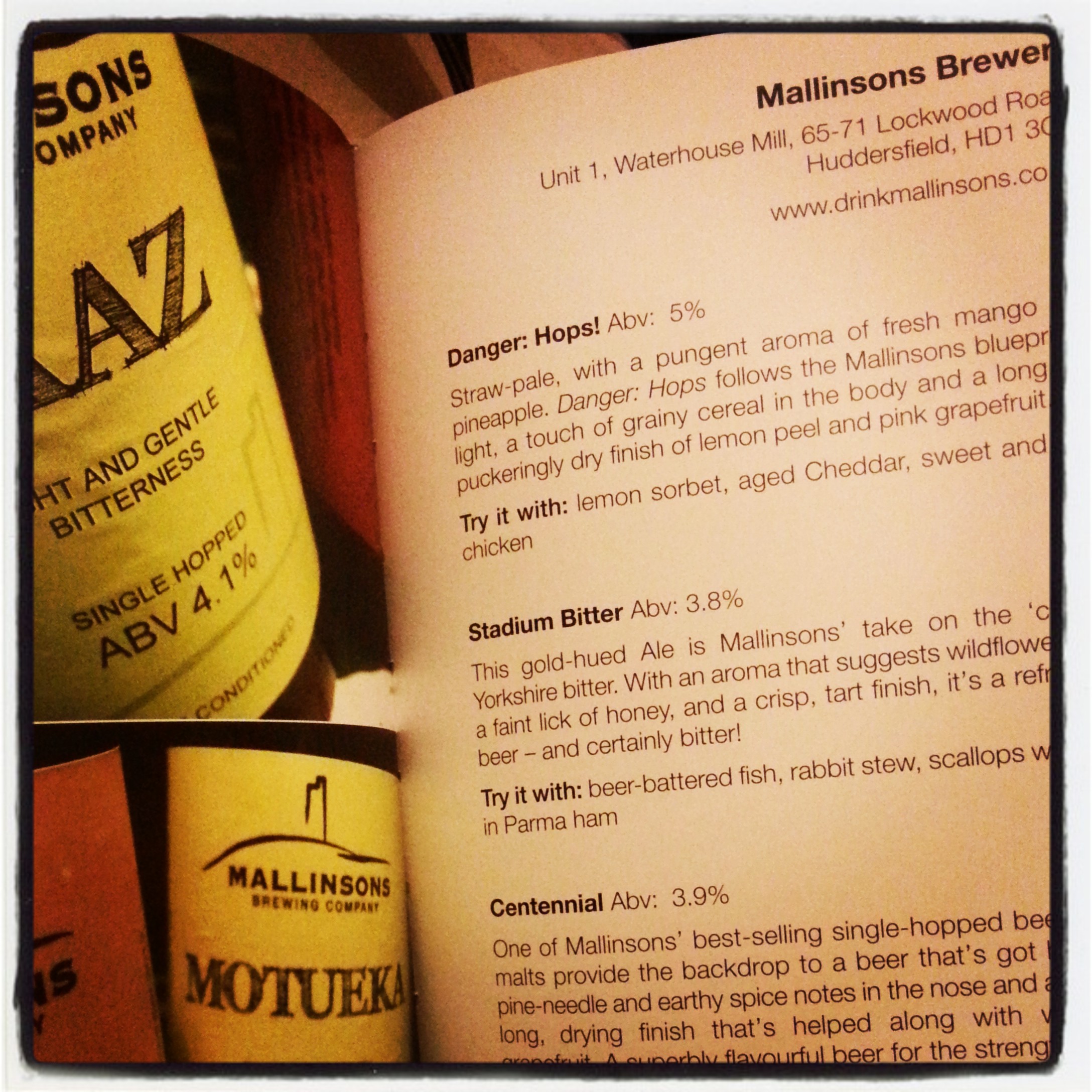
Thirteen Yorkshire breweries are featured, from the famous Saltaire, Summer Wine, Kirkstall, Ilkley and Rooster’s, to lesser-known ones like Wharfebank and The Brew Co . Whilst there may seem to be a slight bias towards newer brewers, that is simply reflective of the modern Yorkshire beer scene. It’s an exciting brewing landscape that Leigh describes with pride. He’s itching to tell us about this great couple that started brewing a few years ago, dying to show us the wonderful interiors of pubs and brewery buildings, and gasping to describe the amazing beers he’s tried from every brewer in the book. The interviews are insightful and interesting, giving us glimpses into each brewer’s starting point, their dreams for the future and what makes them so passionate about what they do. The interviews also serve to demonstrate the enormous variety of people and businesses that the Yorkshire brewing industry is made up of.

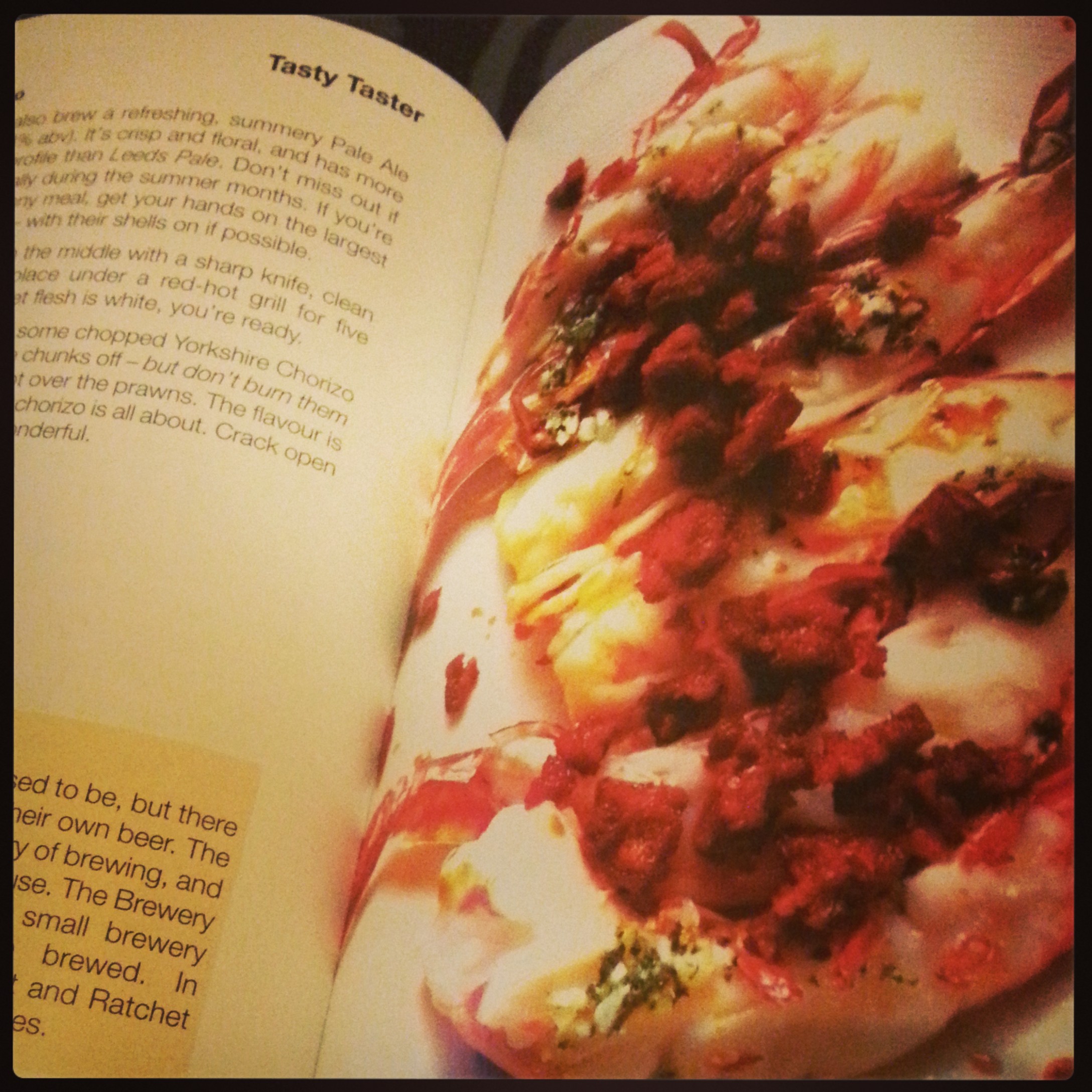
After an interview with the brewers and tasting notes of a selection of their best beers, Leigh will recommend a small, easy-to-make dish to try alongside them. These ‘Tasty tasters’ are one of the book’s highlights, and demonstrate Leigh’s ability to take great, simple food ideas and put them alongside beers that are exciting and interesting. Like any book with good food in it, there are plenty of vibrant photos, each making you want to pop into the shop on the way home to get some ingredients (and some beers).

The real strength of Great Yorkshire Beer is that pride and enthusiasm that takes you from one page to the next, and the sense that this is one man’s heartfelt attempt to nail down everything that excites him about where he lives and what he loves. Great Yorkshire Beer is not a list of every beer or pub in Yorkshire. Such a thing would have only have value as a reference material. This is a book that shines a spotlight on what is truly great in a county full of beer of pubs, and gives you something cracking to eat with every pint, too.

IMG_20130618_214331

After the main body of the book, Leigh has included a further eight recipes for meals that are perfect matches for different beers. Again, the meals look absolutely delicious and the recipes are straightforward, requiring a very short shopping list (most need fewer than ten ingredients). As I said at the beginning, there’s a real sense that Leigh could – and should – do an entirely food-focused book , perhaps a sort of Yorkshire Brewmaster’s Table (just a suggestion, Leigh). It’s really refreshing to read a book where the beer and the food share an almost equal billing, instead of the half-hearted food matches being relegated to a dusty corner.

It’s a handy size for a beer book, too. Not a cumbersome ale bible for tickers, this is a travelling companion for some great weekends exploring the best of what Yorkshire has to offer. Great Yorkshire Beer is a genuinely different kind of beer book. It’s for people that love to read about culture, history, plucky Yorkshire ambition, and excellent food and beer, and marks the beginning of what will hopefully be a long list of books by one of the UK’s best beer writers.

Craft Beer Rising at Whole Foods Market

IMG_20130616_183242

The traditional Beer Festival Season is now well and truly upon us. Part of the trend of new ‘craft beer’ oriented events is their desire to do things differently, and be in different places than other beer festivals. The term ‘pop-up’ is often bandied about liberally, when people really mean ‘tent’ or ‘stall’. With respect to Craft Beer Rising, setting up a small pub in the window of Whole Foods in High Street Ken is more than just a stall. From the 7th to the 16th of June, this is exactly what they did. Again, they managed to get all the right people involved. Brewers as different at Harbour, Otley, Beavertown and Hogsback all had their beers stocked in the pop-up pub, with their beers matched to foods from the Whole Foods market at events from Monday to Friday last week. Each night, the brewers themselves would guide paying customers (at £20 a ticket) through six of their beers and foods matched to them by either Melissa Cole or Ben McFarland.

On Wednesday, I attended the evening hosted by Otley Brewing Co, a favourite Welsh brewer of mine who consistently turn out innovative, flavoursome but impressively balanced beers. Melissa Cole (who has brewed a collaboration beer with Otley, in the form of Thai-Bo) had made the beer and food matches, and talked the attendees (some of whom were in the industry, others enthusiasts, or complete novices) through the basics of beer, brewing and food matching. Nick and Lee from Otley were there to talk about the process of making each beer, and the whole event had a very intimate and friendly atmosphere, partly due to the slightly cramped confines of a pop-up pub (see photos).

We were greeted warmly on arrival and handed a glass of Croeso (O2), Otley’s US-hopped golden ale, fresh from the cask. It’s a deeply aromatic beer for its modest strength (4.2%), and was the winner in the Champion Beer of Wales/Golden Ales category last year. The tropical fruit nose converts neatly onto the palate, and makes for an extremely moreish beer, leagues ahead of other far blander golden ales. Whilst this wasn’t paired with anything per say, there was some crunchy, spicy corn on the tables to go with it. A bar snack basic, but still pleasant enough.

IMG_20130612_194241

Lined up on the (slightly wobbly) tables were several bottles of five other Otley beers. As we took our seats on cushion-topped metal casks, we were introduced to Nick and Lee, and Melissa introduced the beers one by one with each food accompaniment. First was O1, Otley’s original golden bitter. It was paired with some puff pastry cheese twists: a simple but extremely effective combination. O1 has a surprisingly zesty, lemon-and-orange-pith character to its straightforward sweet-then-bitter profile, which paired very nicely with the pastry to become liquid bread. The cheese was lifted neatly right off the palate, but its flavour remained. Classic and simple.

Next came O9 (formerly known as O-Garden, but has had its name changed after a polite request from you-know-who), which was just as sharp,  citrusy and spicy with cloves as I remember. This was paired with some fish and chips with tartar sauce. Aside from the expected batter-melting quality of the carbonation and clean, fruity finish to every bite, the O9 went quite splendidly with the tartar sauce, with its lemon tartness and spicy clove character adding new depths to the sauce.

Afterwards we had Oxymoron (O10), Otley’s rather aptly-named black IPA. Most black IPAs I’ve tasted are in the 6-7%, but Oxymoron is only 5.5%. However, it was Oxymoron that really hit home to me what Otley’s real strength is as a brewer: balance. All that roast, syrup, citrus and dryness is blended into what I can only describe as a sessionable and extremely balanced palate. If there was ever an accessible black IPA to introduce beer newbies to the style, this is it. Oxymoron was served with a selection of breads, charcuterie and small gherkins. Naturally, it work very nicely, cutting through oily and salty meat and adding smoky sweetness, binding with the bread and sweetening the gherkins.

IMG_20130612_203924

The penultimate beer of the night is my favourite Otley beer: their O6 Porter. The bottled version of the beer is not quite as good as it is on cask, but it’s still a rich, chocolatey, espresso-powered beast that, for its 6.6% abv, remains gulpable. This came with some mini-brownies topped with salted caramel. Naturally this enhanced the flavours in both things, but I might have preferred to see the O6 with a rich meat course to see how it faired.

Finally, we tasted Motley Brew, a 7.5% double IPA brewed in collaboration with Glyn Roberts aka Rabid Barfly. Again, for all its intense flavour and high strength, it’s a remarkably balanced beer that never overpowers any section of your palate. You never get bored of its assertive tropical fruit sweetness or dry, piney finish. You just keep enjoying it, over and over again. This was served with some delightfully named Ticklemore cheese and chilli focaccia bread. The cheese was mostly dry and chalky in the middle, but the beer made it sweeter, creamier and saltier, like injecting it with a super-soldier serum. It also went marvellously with the chilli bread, allowing the heat to tingle the taste buds before sweetening the bread and cleansing the palate.

It was a great night, and I’ve heard positive things about the other brewer evenings. Melissa did a great job of concisely conveying lots of information about the beers, brewing, food and anecdotes to an audience of mixed levels of knowledge, and both her and the Otley team fielded plenty of questions. My only criticism would be the size of the venue. Whilst it looked fantastic from the outside (if the glaring, jealous looks of passers by were anything to go by), it was just slightly too cramped and noisy inside. Having said that, it was a well-organised and fun evening of great beer and good food. I can’t really ask for much more than that.

Great Welsh Beer and Cider Festival 2013

IMG_20130607_202226

The Great Welsh Beer and Cider Festival (GWBCF), Cardiff’s annual celebration of all things great in Welsh beer and cider, is a very different beast to the Great British Beer Festival (GBBF). For one thing, it is far more staunchly patriotic. Only a handful of casks came from breweries outside Wales, and even then they were from breweries not far away (like Thornbridge). There was a foreign beer bar, yes, but a much smaller and more focused affair than at GBBF. Another difference was that the foreign beer bar was being run by a local beer retailer, Cardiff’s Bottle Shop, giving it more of a ‘friendly local bar’ kind of atmosphere.

That same atmosphere extended to the festival as a whole. The beer and cider was served from a single, large, U shape of bars, with tables and chairs on either side of the U and stalls scattered elsewhere, which just about conjured the impression of ‘Wales’ Biggest Pub’. The Motorpoint Arena is by no means a picturesque location, but it fulfilled its purpose admirably. Only on Friday night did the place start to feel overpopulated, and even then it created a lively buzz and atmosphere that it failed to recapture the following day, as the best beers ran dry.

One major disappointment was the glassware.  Whilst I appreciate glassware ramps up costs considerably, there was only one available: a half-pint glass with a rather crudely-drawn and distinctly alligator-like dragon on it. Fair enough, you don’t want to be drinking pints all day, but when many of the beers you try are either middling or high-strength, you don’t want to gulp down a whole half-pint of them either. An extra notch for a third measurement, or a multiple-notched pint glass (like at GBBF), would make a big difference, allowing people to drink a wider variety of beers, spend more time and more money in the process. My only other major gripe was the festival’s programme, which was a combination of vague, useless tasting notes (hoppy this, malty that), sad, mournful adverts and jarring references to death, global warming and the Nanny State (seriously). None of us expect a masterpiece, but it was strange enough to distract from the quality of the event overall.

IMG_20130607_194109

And what of the beer, anyway? Both my host Craig Heap and myself had hoped to find some unknown, soon-to-be-megastar from the smaller breweries; another Tiny Rebel. The truth was, few breweries could hold a torch to Wales’ new darling brewery, and those that did were old faces. Solid, innovative, yet dependable Otley, alongside Brains and its Craft Brewery range, as well as Celt Experience and Brecon had the biggest presence, and also the best beers on tap. My main highlights were Brains’ Craft Stars and Stripes, a zingy, crisp and zesty wheat beer with US hops; the rare (on cask) Otley O6 Porter, a classy and masterful balance of coffee and chocolate; and Tiny Rebel’s one-off barrel-aged beers, including the outrageously good Kentucky Whiskey cask Urban IPA and the decadent Grand Regal Stout aged in Morgan’s Spiced barrels.

Whilst it was disappointing not to come across great beers from smaller or newer breweries, the brewers of the beers mentioned above are clearly the powerful and exciting face of modern Welsh beer. Tiny Rebel took all three medals in the Champion Beer of Wales competition (with Dirty Stop Out, Fubar and Urban IPA), and arguably with good reason. I personally feel there is a fair amount of cheekiness (or rebelliousness you might say) in entering three different IPAs and a stout in four different categories, but they won fair and square. If CAMRA’s categories allow an IPA to win in the Barley Wine category, then so be it. (see EDIT below: Tiny Rebel’s beers were chosen, not entered)

Rhymney, Purple Moose, Brains, Bullmastiff, Facer’s and Breconshire also took category prizes (Brains’ Rev James perhaps being a surprise winner), but this year was Tiny Rebel’s for the taking. What will be really interesting is next year’s GWBCF. Will the booming Welsh beer scene sustain another new generation of brewers, inspired by the likes of Tiny Rebel? Will Brains Craft Brewery still be going, and what will they have made in another year’s time? Will anyone try (or dare) to open a rival T-shirt shop or jerky stand? I’m looking forward to finding out next year. To your very good health, Wales.

IMG_20130608_210441


EDIT: James B (@Jamesbwxm) has helpfully clarified that brewers do not submit their own beers for judging for the Champion Beer of Wales. In fact, he can only recollect one time when this has been the case (for the inaugural Champion Beer of North Wales this year). Finalists are selected from festival winners and tasting panels over the year.

Book review: Craft Beer World by Mark Dredge

IMG_20130508_233215

Craft Beer World

Mark Dredge

Dog ‘n’ Bone

pp 208 (hardcover)

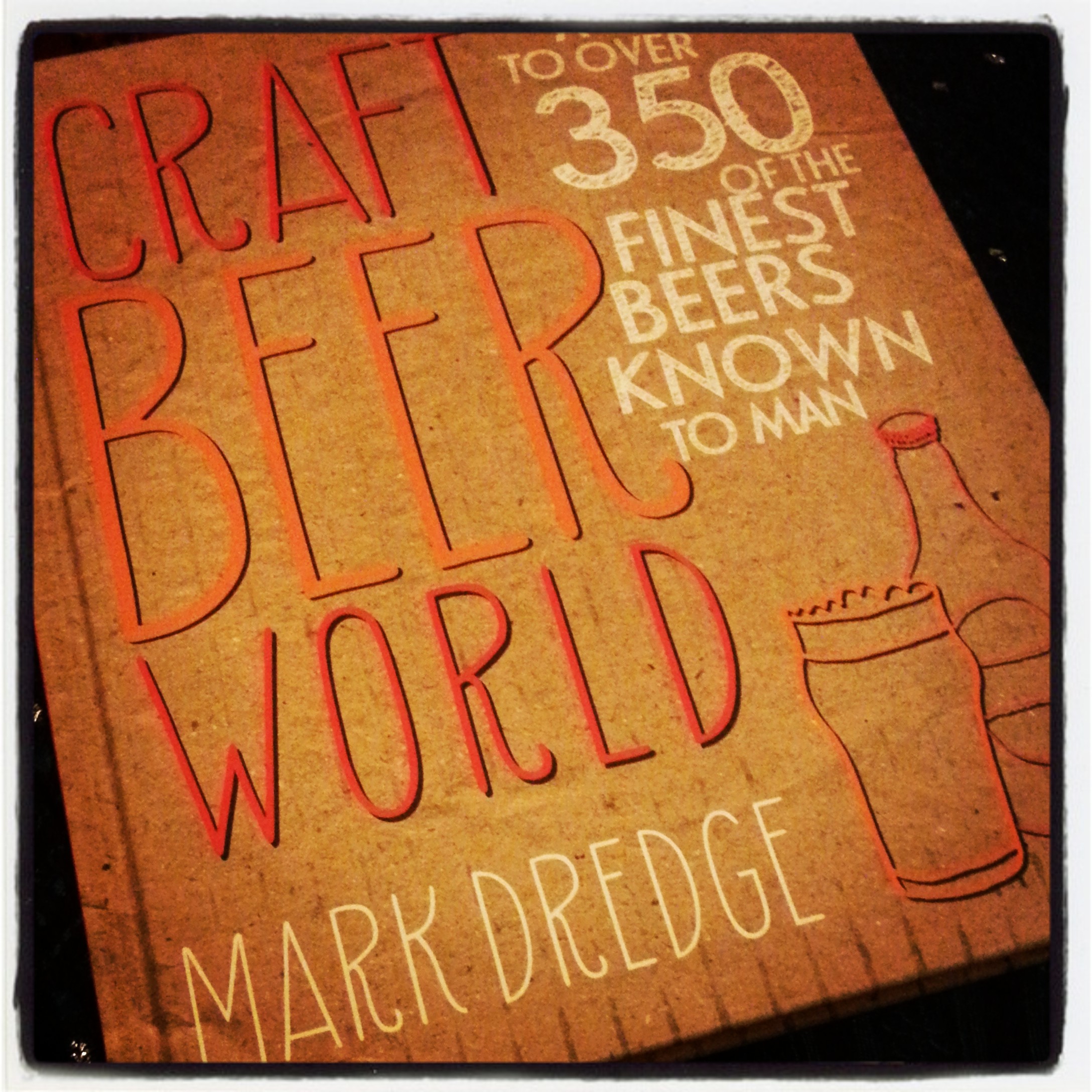
Craft Beer World may be billed as ‘a guide to over 350 of the finest beers known to man’, but it isn’t just a ‘beers to drink before you die’ book. Well, it is, but there’s a lot more to it than that. It’s also part introduction to beer, part style-guide, part editorial on what ‘craft beer’ is, and part food and beer guide.

The most refreshing aspect of the book is its pragmatic approach to beer styles and definitions. Instead of irritably correcting us on our misinformed opinion of what exactly porters, milds or IPAs are, Mark Dredge acknowledges that entire categories of beer are based on old ideas and misnomers, and that so much of what is being brewed right now is in a league of its own with few established classics because of how new some styles are. He doesn’t make the entire history of brewing easy to absorb in one sitting (no one can), but he does a stand-up job of making it easier to understand.

More impressively, Mark Dredge also makes a gallant effort to nail down his idea of what ‘craft beer’ is to satisfy English speakers across the world and comes out the other side unscathed. Whilst those of us who know Mark from his excellent blog will know that he is English, the book is written in US English to the sake of broad appeal. This is fine, even if some phrases or spellings jar with his clearly British phrasing and tone. This is Craft Beer World, after all, and a lot of countries get their beer mentioned. Sweden, Brazil, Italy, Spain and Chile are mentioned alongside the more traditional brewing countries, but the bulk of beers covered are from the USA, where Mark sees a land of constant innovation and brash, fearless experimentation.

IMG_20130509_001948

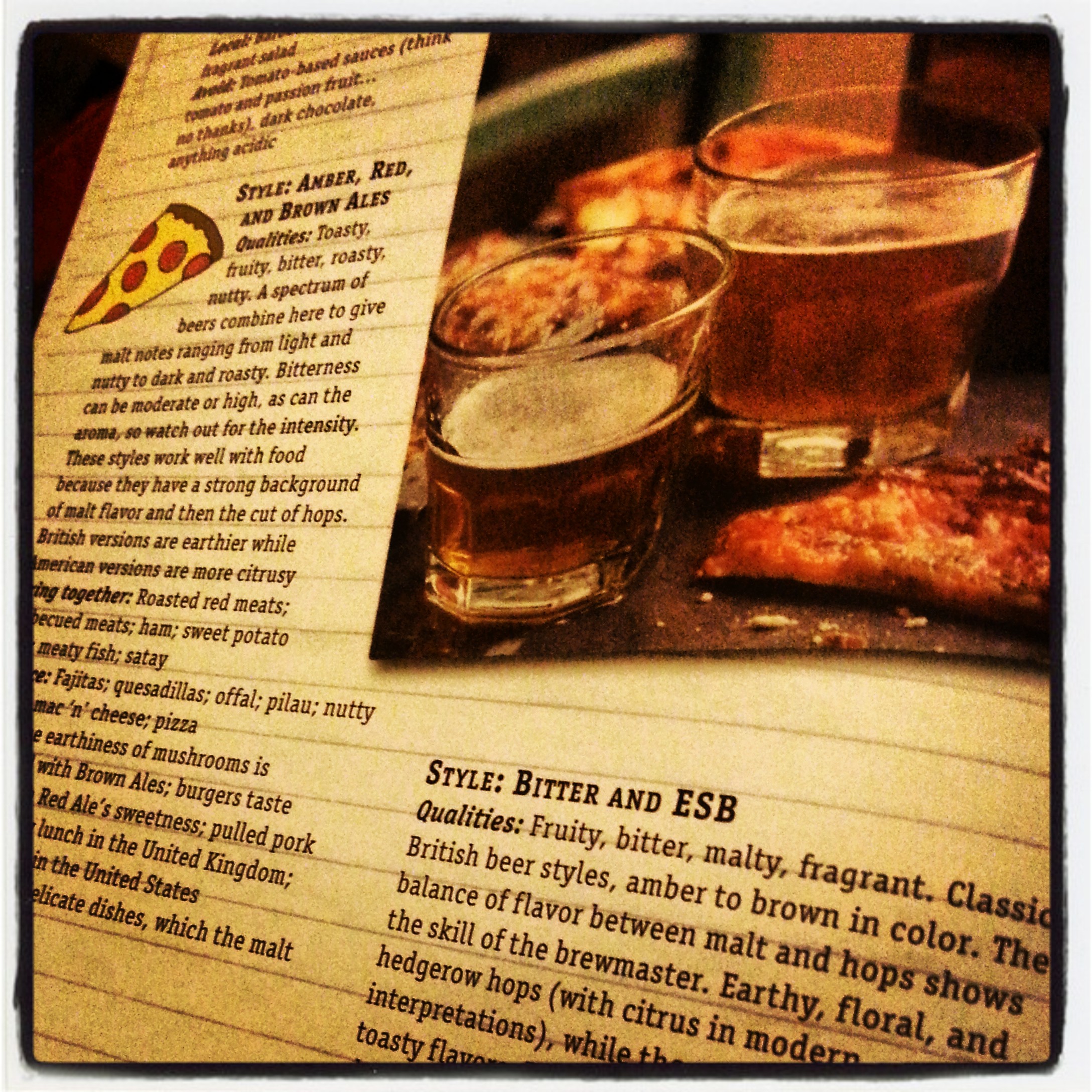
The real strength of Craft Beer World is in its variety of content. Forgetting the 350 beers for a second, there is still enough material here to form the basis of a solid beer book in its own right. From the guide to what beer is and how it is made, through to the significance of specific ingredients, it’s an extremely useful guide for a beginner. For those of us who are more well-versed in the subject matter, there is more advanced information like identifying off flavours, which is rarely mentioned in most books of this kind.

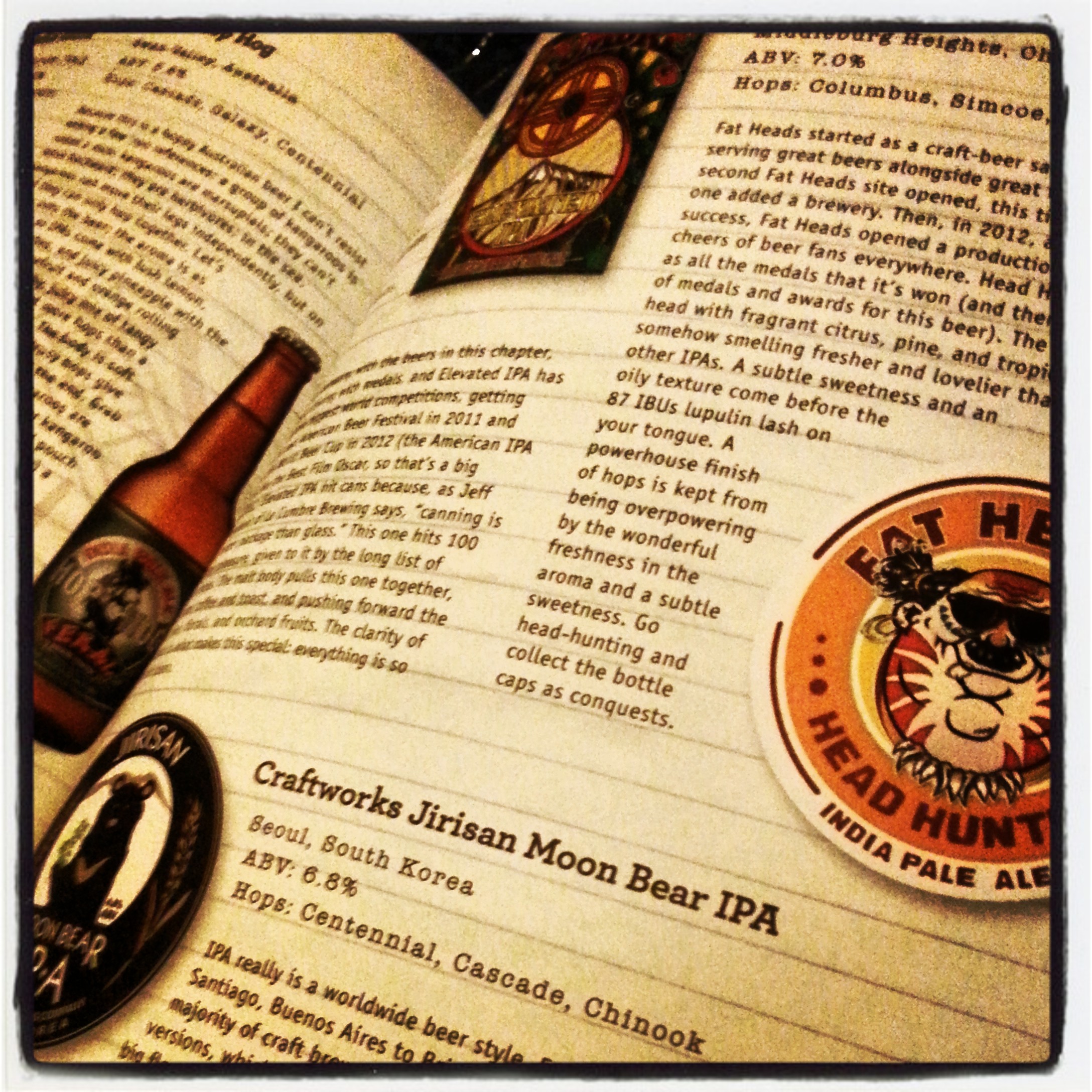
Of course, the meat of the book is the descriptions of the aforementioned 350 or so beers. Perhaps unsurprisingly, these are generally accompanied with an image of the bottle or label. Whilst it would have been nice to see more images of the beer itself in the glass, that’s not a task I would wish upon my worst enemy. As Dredge readily admits, he loves great graphic design, and gleefully points out beers that are as important for how good-looking the packaging is as the taste of the liquid inside. There really are some sensational labels, and the book can almost be used a flick-through primer of the current crop of leading beer label artists.

IMG_20130509_001737

As ever, Mark knows how to describe beer, not just in conventional tasting vocabulary, but also in a way that draws in laymen and connoisseurs alike. We occasionally get glimpses into fun-filled beer adventures, like him and his friends trying to find the Brooklyn Bridge or simply sampling another incredible round of unusual beers. Some are clearly very treasured, personal memories, and we feel privileged to have them shared with us. There are not as many of these as perhaps I might like, but as infrequent as they are, they do provide a vital context to the enjoyment of the beer being described. It’s an idea that recurs throughout the book: that beer is not just the liquid, but the moment. It’s not so arty-farty as terroir or a sense of time and a place, but something more tangible and personal like a memory (or, better still, a blurry memory) that anyone can understand.

It is also quite apparent that this book could have just as easily been about 350 breweries as 350 beers. When describing any particular beer, Mark can’t help but give us some tips on which other beers from the same brewery we should try, and sometimes this infectious enthusiasm and desire to give you as much information as possible reduces the description of the actual beer to just a line. However, it is this enthusiasm that keeps the book readable, and not just a dry reference tome that you might dip into from time to time. After all, many of us might not read a book like this in the same way we might read a novel. In the case of Craft Beer World, this is exactly what I did. I picked up every day, read about new beers and new breweries and new adventures, and felt like I was travelling along with the author. It’s a testament to Dredge’s skill as a writer, and the book makes it clear that he is a strong and important voice in British beer writing.

Whilst classic beers are acknowledged where necessary, this is a book about the best things in beer right now. The long-term value of this book will be as a time capsule of the best beer being made at the time of writing. This is more than a casual reference or coffee table book. This is a contemporary snapshot of the world’s best craft beer and the excitement that surrounds it, and this is a thing truly worth treasuring.

Bath Ales and Beerd: Craft Beer in the West Country

IMG_20130601_182523

I came across two very different outlets of modern British beer in the West Country at the weekend. One was a highly-evolved descendant of that old, artisanal, hand-prepared chestnut: the gastropub. The other was a very on-trend, hipster-magnetic craft beer and pizza joint that still had a unique character all of its own. Both places are owned by Bath Ales, which owns a handful of pubs in the Southwest, mostly around Bath and Bristol.

Graze Bar, Brewery and Chophouse is, as you might guess from the name, more than just a gastropub. It is the third Graze that Bath Ales has opened, following more traditional-looking outlets in Bristol and Cirencester. The Bath incarnation is part of the newly built foodie-centric Vaults development around Bath Spa train station. Graze is actually on a level with the station’s platforms, but is accessed by stairs or lift from below. Graze is very large, about on a par with Bristol’s Zero Degrees, and the similarities do not end there. Unlike any of Bath Ales’ other pubs, the Graze in Bath has a microbrewery plant in the midst of it. It didn’t seem to be active at the time of my visit.

Aesthetically, however, Graze couldn’t be more different to Zero Degrees. Instead of dazzling chrome, Graze is all about pine, Bath stone, copper, brass and soft leather. The whole place is like a purpose-built pub-showhome, and is quite beautiful. I would suggest checking out that link above to see for yourself. I couldn’t capture it easily on a smartphone camera. Basically, Graze is a long rectangle shape with glass walls on its longest sides and balconies outside them. One side overlooks the city, the other provides a view of the picturesque countryside beside the train station. A shiny island bar lounges in the middle, and everyone looks pretty pleased to be there.

IMG_20130531_132700

The food is geared towards fancy cuts of beef, pretty little starters and vibrant seafood. The beer has a upmarket mainstream selection, alongside ales and cider from the parent brewery. I had the market special fish of the day, which was a beautiful smoked haddock kedgeree (£13). I had this with a pint of the Special Pale Ale (Bath SPA – geddit?), and may have found my beer and food match of the year so far. SPA is brewed with lager malt, making for an extremely clean and lively beer with a simple and gorgeous peachy, grapefruit character. The fish melted in the bubbles of the SPA, the smoke was enhanced, then sweetened. The spices in the kedgeree were lifted and boosted by the lightness of the beer and its carbonation. The hops didn’t clash with the heat but became a part of it somehow. It was one of those meals that makes you think: I MUST know how to make this at home. I’ll let you know how I get on.

Graze is a really special place, and an absolute must-visit for beer and food lovers in that part of the West.

IMG_20130223_145550

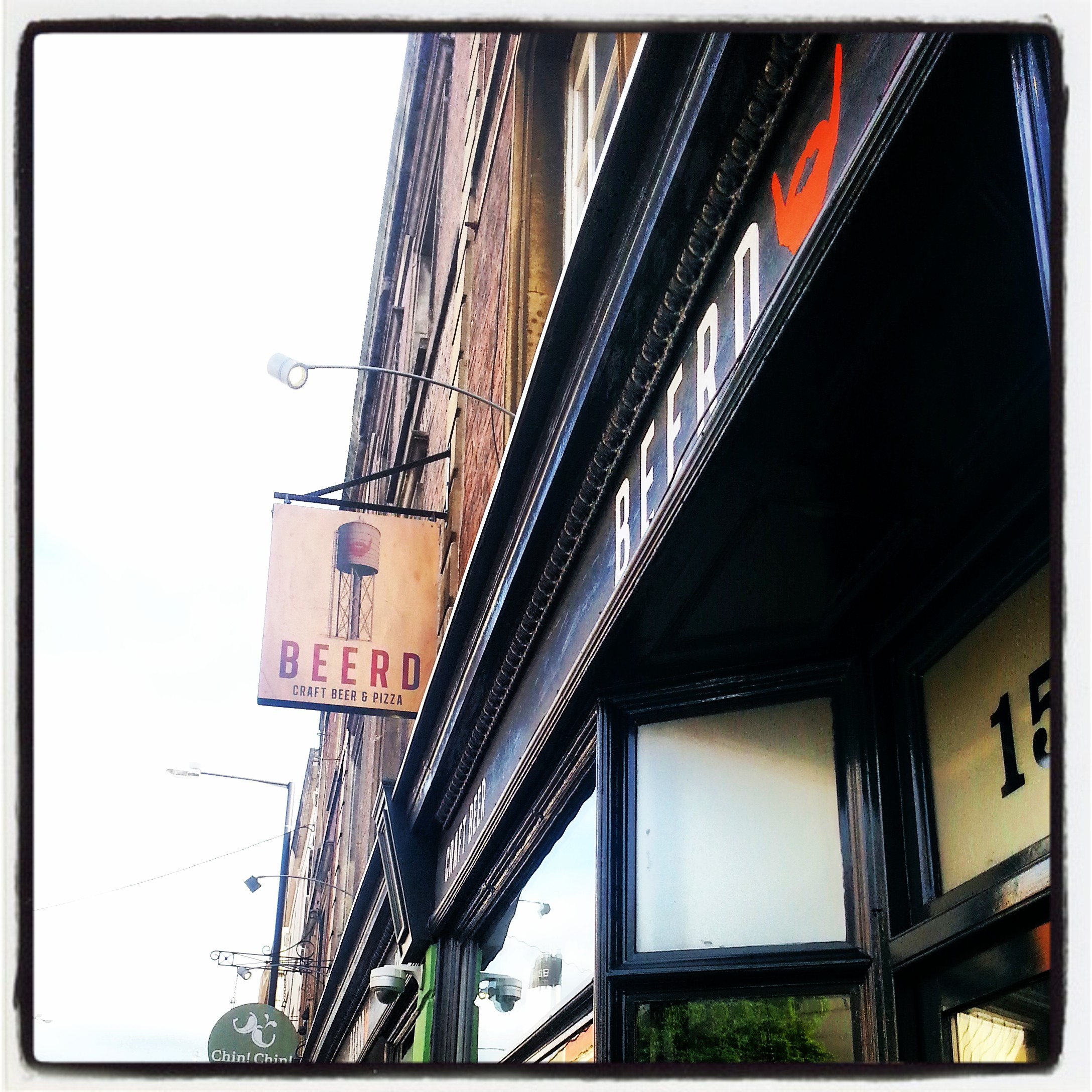
So what of the other side of the Bath Ales estate? Well this is a story in two parts. First, the bar itself. Beerd is a ‘craft beer and pizza’ joint in the studenty, trendy Cotham area of Bristol. Its name, with a very Bristolian sense of humour, may poke fun at the both real ale and craft beer hipsters (the free WiFi password is ‘beardyweirdy’) but that is where the jokes end. This is a cutting edge craft beer bar that provides a cool, credible location to choose between quality cask and keg beer. The stainless steel handpulls (featuring Bath, Black Rock, Penryn among others) are topped with mismatching BMX handlebar grips, whilst the keg beer taps (including Anchor, Wild Beer Co, Palm, Moor) stick out of a giant wooden cask. All right, maybe that’s another joke too. There’s also a solid and ever-changing selection of bottles to rival a BrewDog bar.

The rest of the décor is more mismatched craft beer chic: kitsch plastic chairs alongside metal stools, and formica tables next to old driftwood topped tables. The wallpaper is a very cool pastiche of beer brands, and the whole place has a trendy student vibe that still feels welcoming to all ages. It’s a very Bristol kind of place, friendly and alternative. You can imagine something like it existing there whether there was a beer renaissance going on or not. The food range is slightly more than just pizzas (one nice idea is that you can have any pizza’s toppings as a salad instead), but not a lot more. There’s lots of responsibly sourced vegetables and deli-quality Italian meats.

IMG_20130601_173307

I went for an Artichoke, Roasted Pepper and Rocket pizza (about £9), and added some Prosciuttio and Salami because I’m worth it (an extra £2). I ate the first half with Wild Beer Co’s Spellbound, a Brettanomyces yeast golden ale, which wasn’t entirely intentional but it worked better than you’d think. The spicier esters from the lively yeast played along well with peppery rocket and the crispy base. The rest of the pizza was finished with Moor’s Nor’Hop, which was simply sensational. The hops danced with peppers and the rocket, the carbonation melted the crispy base in my mouth, and the sharpness cut the oily, salty meat and cheese to bits. An amazing combination, so delicious that I forgot to take a picture of it until I’d almost finished it.

It gets even better. Beerd is no longer just the name of the bar, it’s also now the name of Bath Ales’ new microbrewery operation. Two of Beerd’s new beers were available on the bar: Big Small Beer and Dark Hearths. Big Small Beer is a low ABV (2.8%) pale ale with a ferocious hop bill, balancing a light body with thick portions of soft fruit and sharp tropical juice. Dark Hearths is a ‘peated porter’ with an oily body and Schlenkerla-like stickyness to its smoke character. Both were really, really good. More beers are on the way, and those two alone mark Beerd out as a brewery to watch. As far as I can tell, Beerd is brewing in a separate part of Bath Ales’ main brewery. That little microbrewery plant in Graze seems to be a separate project.

IMG_20130601_153749

The idea of a ‘perfect pub’ is not a new idea, but exciting beer destinations – those sorts of places that we will happily take awkward, multiple-connection-strewn journeys to find – are certainly a big part of the current beer renaissance. Bath Ales’ approach is exciting. By creating different beer destinations that different people will enjoy, they are embracing the diversity that good beer encourages.